




Nürburgring takeover: Chevrolet Corvette ZR1X and ZR1 now the fastest cars from an American manufacturer
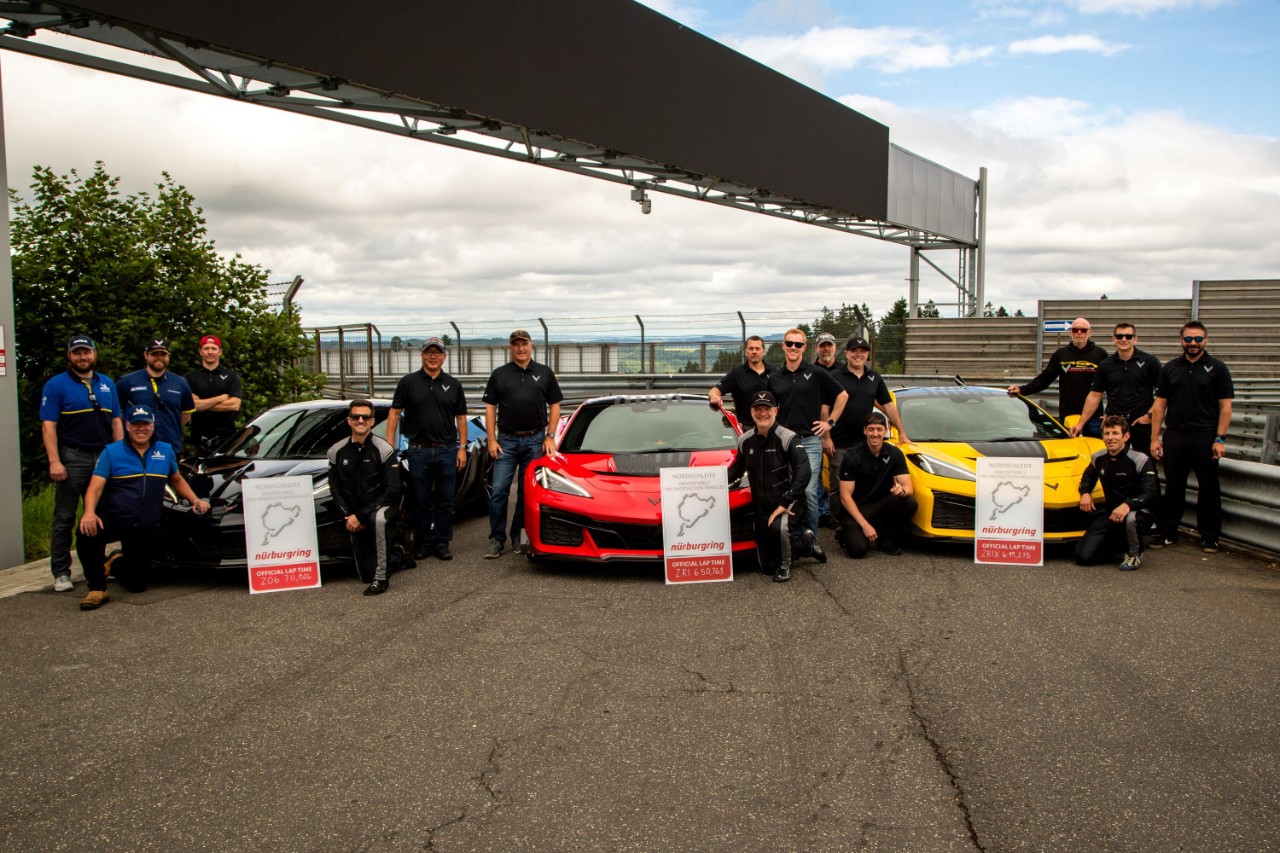
The Chevrolet Corvette Z06, ZR1 and ZR1X took over the 12.9-mile Nordschleife circuit where, for the first time in the track’s history, an automaker brought three different cars with three non-racecar drivers to record three lap times in a single visit. Three of the Chevrolet engineers who helped develop these cars, and have extensive experience and advanced driving credentials, piloted them during the fast laps, highlighting the depth of talent and performance within General Motors.
The Chevrolet team now has the fastest official laps set by an American manufacturer at the Nürburgring Nordschleife.
America’s sports car, unleashed in Germany

Drew Cattell, vehicle dynamics engineer and driver of the Corvette ZR1X. Closed course.
Corvette ZR1X vehicle dynamics engineer Drew Cattell completed a 6:49.275 lap in the electrified all-wheel drive ZR1X and now has the fastest lap time of any non-professional racecar driver at the Nürburgring in the list of official record laps. ZR1 vehicle dynamics engineer Brian Wallace set a 6:50.763 time in the 1,064-horsepower ZR1.

Brian Wallace, vehicle dynamics engineer and driver of the Corvette ZR1. Closed course.
The 670-horsepower Corvette Z06, with the most powerful naturally aspirated V8 ever put in a production car, set a lap of 7:11.826 with vehicle performance manager Aaron Link behind the wheel.
“No auto manufacturer has done a Nürburgring lap attempt like this before,” said GM President Mark Reuss. “From development through production, and now at the Nürburgring Nordschleife, the Green Hell, we have clearly shown there is no limit to what our GM engineers and vehicles can accomplish. These are the best Corvettes in history, period.”

Aaron Link, vehicle performance manager and driver of the Corvette Z06. Closed course.
The new documentary “Homegrown Speed: A Corvette Story” goes behind the scenes and showcases the journey from GM’s Milford Proving Ground to Germany, illustrating the intensity and precision of pursuing three lap times with three separate Corvette variants and three different drivers. In addition to the engineers who set the lap times, the film features Reuss, Senior Vice President of Product Programs, Safety, Integration and Motorsports Ken Morris and Corvette Executive Chief Engineer Tony Roma.https://www.youtube-nocookie.com/embed/y3SuRJaL7Y0?si=ddG36RBs1pNnITKA
The cars

Corvette Z06, ZR1 and ZR1X (back to front) at the Nürburgring Nordschleife racetrack in Germany. Closed course.
The Corvettes at the Nürburgring were all U.S. production-spec vehicles, with the only modifications being the safety equipment recommended by the track. This includes a roll hoop, full containment race seat, fire extinguisher, and a six-point safety harness. All three set lap times for the Prototype/Pre-Production category, since the ZR1 and ZR1X are not sold in Europe and the Z06 was a North American variant.
| Corvette Model | Horsepower | Propulsion | Wheels/Tires | Brakes |
| Z06 with Z07 Performance Package | 670 hp | 5.5-liter flat-plane-crank V8 | Available Carbon Fiber wheels with Michelin Cup 2R summer-only tires1 | 6-piston front, 4-piston rear carbon ceramic brakes |
| ZR1 with ZTK Performance Package | 1,064 hp | 5.5-liter twin-turbo charged flat-plane-crank V8 | Carbon Fiber wheels with Michelin Cup 2R summer-only tires1 | 10-piston front, 6-piston rear carbon ceramic brakes |
| ZR1X with ZTK Performance Package | 1,250 hp | 5.5-liter twin-turbo charged flat-plane-crank V8 and front axle electric motor | Carbon Fiber wheels with Michelin Cup 2R summer-only tires1 | 10-piston front, 6- piston rear carbon ceramic brakes |
The drivers
Link (800 laps), Wallace (425 laps) and Cattell (600 laps) have extensive experience behind the wheel on the Nürburgring Nordschleife, and have gone to the Nürburgring a combined 31 times to develop and test GM vehicles. The track offers unique road dynamics that challenge both the drivers and vehicles, and it is an important part of tuning Corvettes to deliver the on-track performance our customers expect.
Link, Wallace and Cattell are among the most seasoned Nürburgring-certified drivers at GM – with a combined 36 years of experience working on Performance Cars. Wallace also leads GM’s high performance driver training program.
“We’ve created a different kind of relationship between our cars, iconic tracks, and our engineers, it is how we develop our vehicles,” said Morris. “These Corvettes weren’t piloted by pro racecar drivers. They were driven by the same engineers who designed, engineered and tuned them. Brian, Aaron and Drew have grown into world-class drivers and even better engineers. Their lap times now rank among the fastest ever recorded by non-professionals at the ‘Ring, which is so cool.”
The Green Hell

Corvette ZR1X at the Nürburgring Nordschleife in Germany.
Since 2019, lap times have been officially recorded, confirmed and published by the Nürburgring, with carmakers providing video proof from the world’s most demanding racetrack. Below are the fastest production cars on the 12.9-mile full circuit of the Nürburgring Nordschleife, also known as the Green Hell, according to the Nürburgring’s website.
| Fastest Production Cars at the Nürburgring | |||
| # | Time | Vehicle | Category |
| 1 | 06:29.090 | Mercedes AMG One | Super Sports Car |
| 2 | 06:43.300 | Porsche 911 GT2 RS Manthey Performance Kit | Sports Car |
| 3 | 06:44.749 | Porsche 911 GT2 RS MR | Modified Vehicles |
| 4 | 06:48.047 | Mercedes AMG Black Series | Sports Car |
| 5 | 06:49.275 | Chevrolet Corvette ZR1X | Prototypes / Pre-Production Vehicles |
| 6 | 06:49.328 | Porsche 911 GT3 RS | Sports Car |
| 7 | 06:50.763 | Chevrolet Corvette ZR1 | Prototypes / Pre-Production Vehicles |
| 8 | 06:52.072 | Ford Mustang GTD | Sports Car |
1 Do not use summer-only tires in winter conditions, as it would adversely affect vehicle safety, performance and durability. Use only GM-approved tire and wheel combinations. Unapproved combinations may change the vehicle’s performance characteristics. For important tire and wheel information, go to chevrolet.com/support/vehicle/driving-safety/tires-wheels/tire-types or see your dealer.
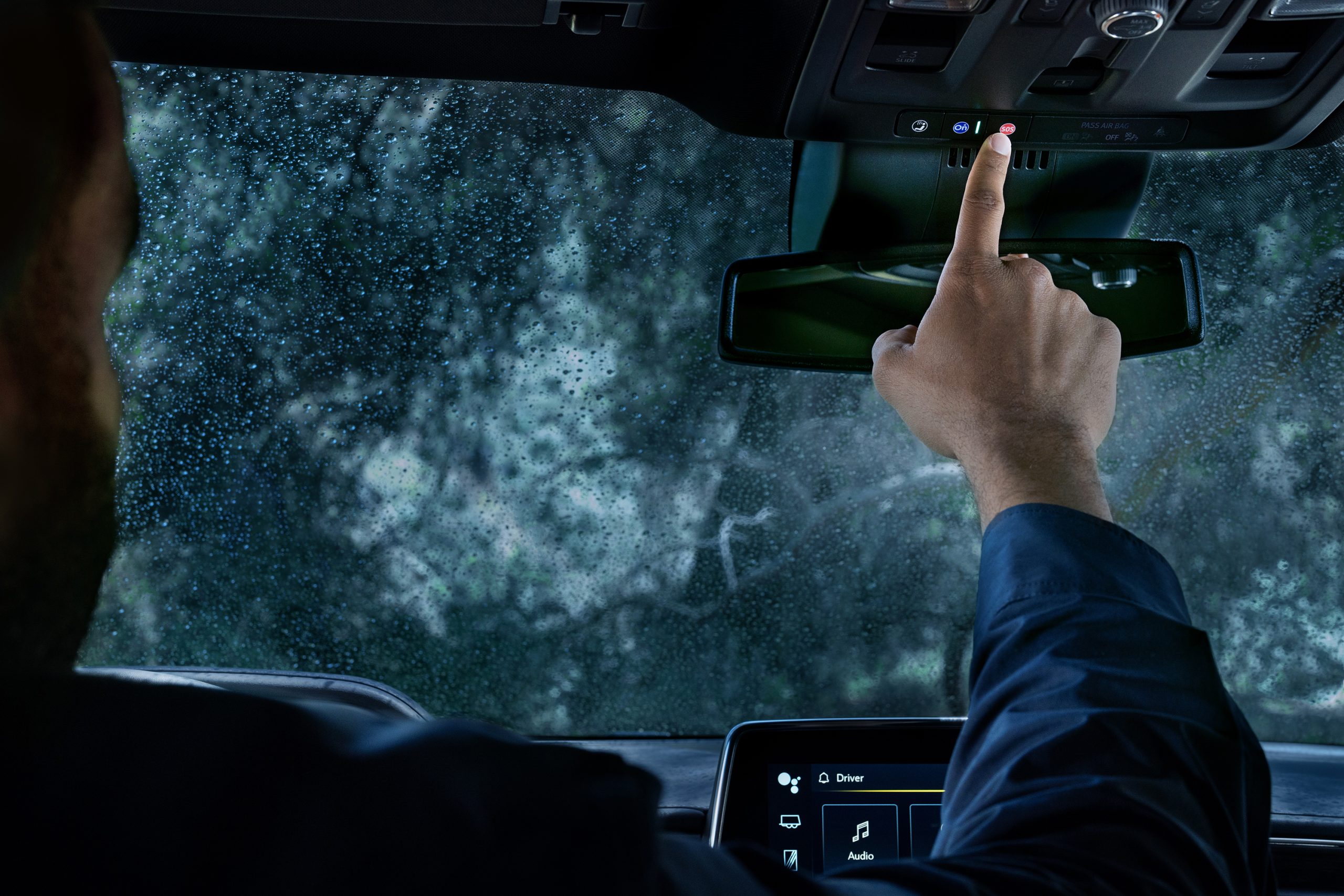
As floodwaters surged across Texas in early July, General Motors’ OnStar became an unexpected lifeline, transforming from an everyday convenience into a critical emergency response tool that helped save lives.
As torrential rains hit the Texas hill country, OnStar activated its Crisis Mode across flood-affected regions, offering free emergency services to anyone in an OnStar-equipped GM vehicle. Within hours of the emergency, we worked with first responders to aid search and rescue efforts and respond to customers in need.
Emergency response
Over the course of the emergency, OnStar answered 4,000 crisis calls. In a dozen cases, we directly supported successful rescues. OnStar emergency advisors worked around the clock to respond to requests for help. And we expanded our emergency coverage to include other states affected by flooding, including North Carolina, New York, and New Jersey.
With a majority of the crisis calls, OnStar advisors helped drivers avoid emergencies by helping them navigate through safe evacuation routes and reach loved ones with free Wi-Fi support. The advisors also supported rescue efforts and helped authorities prioritize resources, locate missing persons, and save lives.
GM’s corporate citizenship team has also been in close contact with the American Red Cross to aid in recovery efforts. We loaned trucks and SUVs to the Red Cross to support their response, and we’ve renewed our annual contribution to their Annual Disaster Giving Program, which enables the Red Cross to act quickly during urgent situations.
It’s a great example of how technology, connected communities, and human compassion work together when disaster strikes.

Stories from the frontlines
Tiarra Duncan, OnStar emergency advisor, moved quickly when she answered an emergency call from a disabled, elderly couple stuck in their vehicle in Texas with water swiftly rising inside.
Duncan and her team quickly contacted local public safety to provide precise vehicle location using telemetry data and actively monitored the scene in real time, as the flood waters started shifting the vehicle with the current. Using emergency dispatch protocols, Duncan calmly guided the couple to stay safe while awaiting rescue, keeping in mind their mobility challenges.
“These people were experiencing the worst day of their lives, and I was focused on keeping them safe and calm, even though I was panicking inside,” said Duncan. “I was giving them guidance and thinking of next steps in case the situation got worse. Once fire rescue got to them, I was able to breathe, I felt so relieved.”
Duncan stayed on the line as the heavy rain intensified the risk, until fire rescuers arrived to help the couple to safety.
Barb Lucas, another OnStar emergency advisor, answered a call from a ride-hailing driver who found himself stuck in rising floodwater under an overpass in New York. Lucas worked with urgency to get the driver to safety along with his passengers – a young couple and their 3-month-old baby.
While Lucas kept the callers calm, her team contacted local public safety to send help to their precise location. Engaging emergency dispatch protocols, Lucas instructed the group to safely evacuate the vehicle and walk to a nearby location on higher ground, in case floodwater continued to rise. While the family moved quickly, the ride-hail driver was reluctant to leave his vehicle, an important asset that helps him earn a living.
“When I finally convinced everyone to exit the vehicle, I didn’t want to lose contact. So, I called their cell phone and stayed with them until I knew they were safe,” said Lucas. “I wouldn’t be able to rest until I knew they were alright.”
Thanks to Lucas’ quick thinking, the group made their way safely out of the floodwaters. As the rain settled and the floodwaters receded, she coordinated roadside assistance to help the ride-hail driver get reunited with his vehicle.
The 2026 Chevrolet Corvette ZR1X, the most advanced Corvette ever and a true American hypercar, will be available with an exclusive, limited production Quail Silver Limited Edition package.
The Quail Silver Limited Edition showcases unique finishes and craftsmanship, and Corvette’s first matte production paint, Blade Silver Matte, since the 1960s. The package will be exclusively available on the Corvette ZR1X 3LZ convertible.
It will be introduced at this year’s “The Quail, A Motorsports Gathering,” in Carmel, California, on August 15.
“Corvettes are the pride and joy of their owners – this has been true since we first began selling the nameplate more than 70 years ago. They honor its craftsmanship and design as much as its engineering excellence,” said Scott Bell, VP of Global Chevrolet. “The ZR1X Quail Silver Limited Edition presents a highly exclusive option for Corvette customers looking for a collectible item.”
The 2026 Corvette ZR1X, with 1,250 horsepower1 between the combined LT7 twin-turbo V8 engine and front axle electric motor, goes from 0-60 mph in under 2 seconds2.
Highly exclusive package
Each vehicle will display a “Limited Edition” plaque along the interior waterfall speaker and each build will be identified with a limited-edition number.
The Blade Silver Matte exterior color was inspired by the Inca Silver exterior color offered on the C1 Corvette from 1957-1959.
“The Design team is always looking to innovate, and the Blade Silver Matte paint color marks a significant moment for Corvette as the first factory matte paint in 60 years,” said Phil Zak, executive design director of Global Chevrolet. “This new finish creates a distinctly high-end feel and offers a rare chance to own a truly unique expression of Corvette.”
The ZR1X Quail Silver Limited Edition will include a Sky Cool and Medium Ash Gray with Habanero accents interior, a new color scheme available on all 2026 Corvette models.
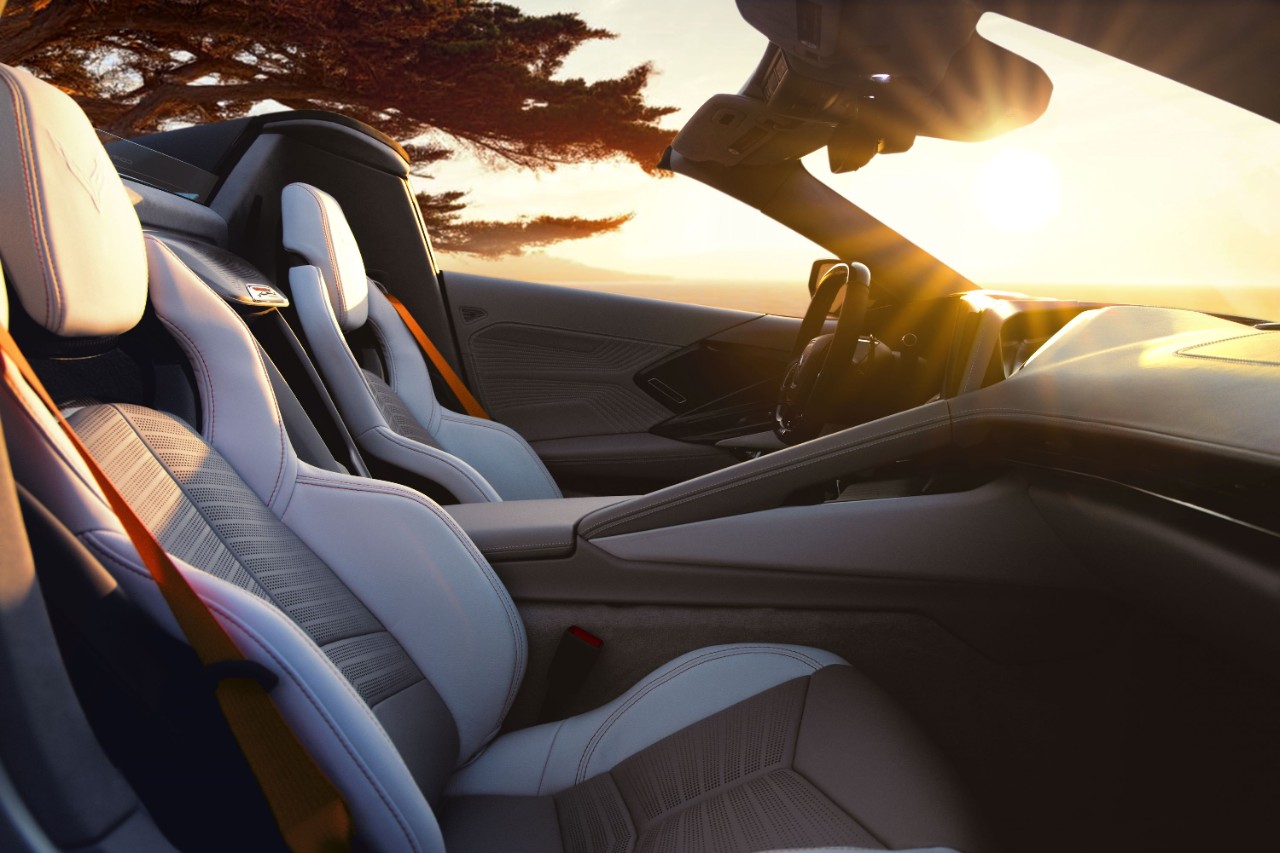
Sky Cool & Medium Ash Gray with Habanero accents interior on 2026 Chevrolet Corvette ZR1X Quail Silver Limited Edition. Preproduction model shown, actual production model may vary.
It will also feature orange painted calipers, black exhaust tips, and carbon flash painted mirrors.
The Quail, A Motorsports Gathering
The ZR1X Quail Silver Limited Edition will make its debut during Monterey Car Week at The Quail, A Motorsports Gathering, in Carmel, California on August 15, along with the debut of GM Design’s inspiration for the future of Corvette.
ZR1X MSRP
The 2026 Corvette ZR1X will start with an MSRP3 of $207,395 (including $1,995 DFC) for the 1LZ coupe and $217,395 (including $1,995 DFC) for the 1LZ convertible.
The ZR1X 3LZ coupe will start with an MSRP3 of $218,395 (including $1,995 DFC) and 3LZ convertible will start with an MSRP of $228,395 (including $1,995 DFC).
ZR1X will be available by the end of 2025 and is proudly built in America at General Motors’ Bowling Green Assembly Plant in Kentucky from U.S. and globally sourced parts.
The ZR1X Quail Silver Limited Edition will have a starting MSRP3 of $241,395 (not including delivery fees), and production will begin next year.
The ZTK Performance Package is available for the Quail Silver Limited Edition ZR1X, incorporating higher spring rates, modified chassis controls calibrations, the ZR1X Carbon Fiber Aero Package, as well as Michelin Pilot Cup 2R tires.
Competitive breakdown
| 2026 Chevrolet Corvette ZR1X | 2026 Ferrari F80 | 2026 McLaren W1 | |
| Base MSRP | $207,395 | $3.7 million | $2.1 million |
| Horsepower | 1,250 hp | 1,184 hp | 1,258 hp |
| Torque | 828 lb-ft from twin-turbocharged 5.5 L V8 engine + 145 lb-ft from the front axle electric motor | 749 lb-ft | 988 lb-ft |
| 0-60 mph2 | < 2 seconds | 2.15 seconds (62 mph) | 2.7 seconds (62 mph |
| Top Speed on the Track | 233 mph | 217 mph | 217 mph |
11,064 horsepower from the LT7 5.5L V8 engine plus 186 horsepower from the eAWD (electric drive unit).
2On a closed course only. Based on initial vehicle movement.
3MSRP. Tax, title, license, dealer fees and optional equipment extra. Dealer sets final price.
Corvette CX and CX.R Vision Gran Turismo concepts will inspire the future of Corvette design
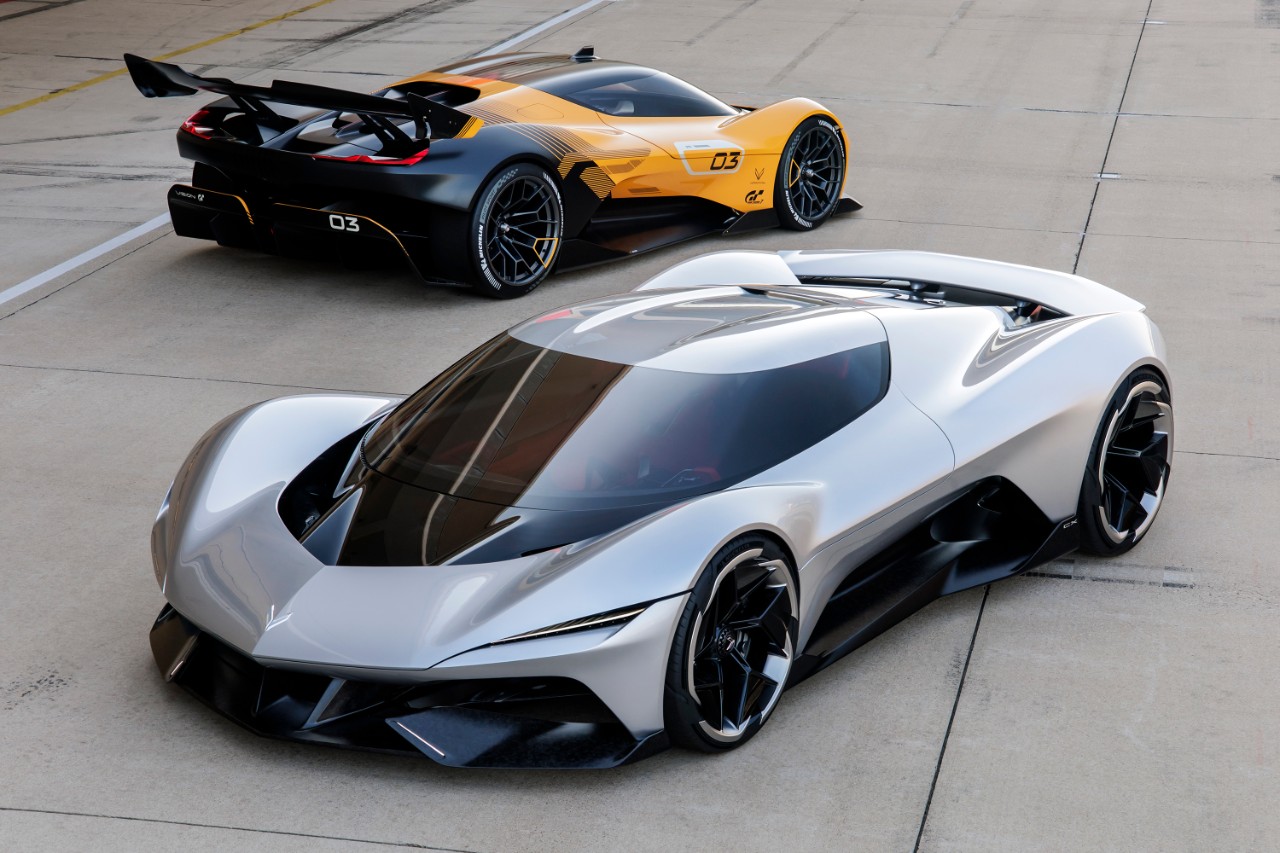
Today, Chevrolet gave car enthusiasts and racing fans a glimpse of the high-performance future. Two Corvette concept cars, the Corvette CX and CX.R Vision Gran Turismo, debuted at The Quail, a Motorsports Gathering. While not intended for production, the pair will serve as inspiration to inform Corvette design language for years to come. Drawing on more than 70 years of performance innovation, these Corvette concepts honor the heritage of America’s sports car1 – and propel it into the future.
The CX and CX.R Vision Gran Turismo are the latest and last of several Corvette concepts to be revealed this year, as part of a GM design exercise which involved multiple GM studios globally. The CX concepts were designed and fabricated at the Chevrolet Performance Studio in Warren, MI.
“While the shape of a Corvette has always been expressive and forward-looking, each crease and line has its roots in the generations that came before it. It is aspirational, it is cultural, it is the reason people want to come and work at Chevrolet,” said Phil Zak, executive design director for Chevrolet. “The CX and CX.R Vision Gran Turismo demonstrate our design teams stepping away from the constraints of production vehicles and unleashing their creativity. Through this exercise, we’ve added to Corvette and defined the design direction for Corvette moving forward.”
Corvette CX Concept: Unmistakably Corvette, made for street and track
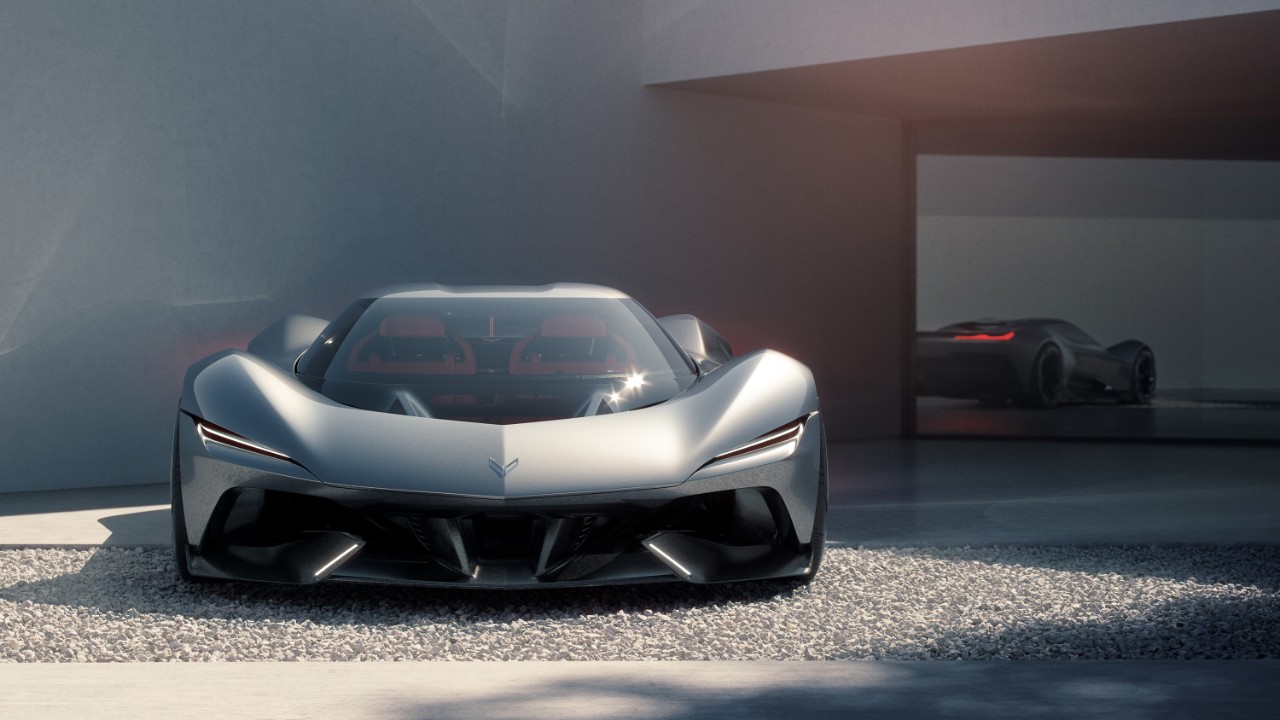
Front view of Corvette CX. Concept vehicle shown. Not available for sale.
Imagine a future Corvette designed from the ground up to provide the ultimate high-performance driving experience on the open road or the racetrack. This was the inspiration behind the Corvette CX concept.
The CX concept design starts with quintessential Corvette hallmarks. The forward-lunging nose, the pronounced horizontal “chine” line delineating the upper and lower bodywork, and the dual-element taillights are all signature features of Corvette models past and present. The proportions are long, low, and sleek, with a roofline less than 41 inches high.
Aggressively futuristic, yet unquestionably a Corvette, the CX concept shows what an uncompromised future sports car can be. The athletic exterior design, highlighted by the fighter-jet-inspired cockpit canopy, isn’t just about looking powerful – it was shaped in collaboration with the GM Motorsports Aero Group. Every angle was designed with ultimate performance in mind.
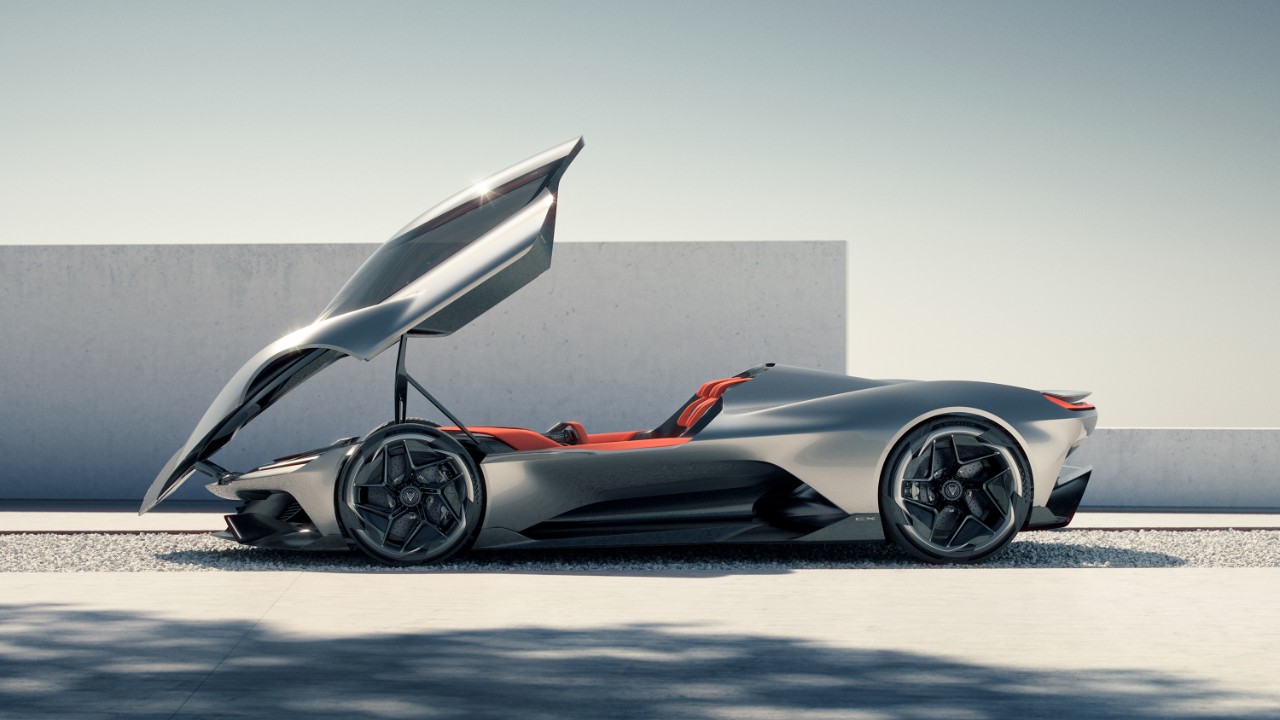
Side view of Corvette CX with canopy open. Concept vehicle shown. Not available for sale.
The innovations continue underneath the skin with the Vacuum Fan System. Built-in fans draw air through the open-channel bodywork, generating massive downforce and adjusting the airflow over the rear diffuser to refine aerodynamic balance in real-time. The front diffuser and rear wing are both active, adjusting automatically in response to the driver’s inputs to generate maximum grip. The integrated understructure of the CX concept is visible through the aero channels in the bodywork, and the suspension A-arms are wing-shaped to enhance airflow and reduce front-end lift.
The CX concept’s propulsion system was chosen to provide maximum design freedom, plus ultimate straight-line performance to complement the corner carving enabled by fan-driven downforce and active aero.
The CX concept is an all-wheel-drive electric supercar with a propulsion system worthy of the Corvette name. Four motors, one powering each wheel, generate more than 2,000 horsepower, with four-wheel torque vectoring for maximum grip and cornering performance. The 90-kWh lithium-ion battery is mounted in the chassis for a low center of gravity and ideal front-rear weight distribution.
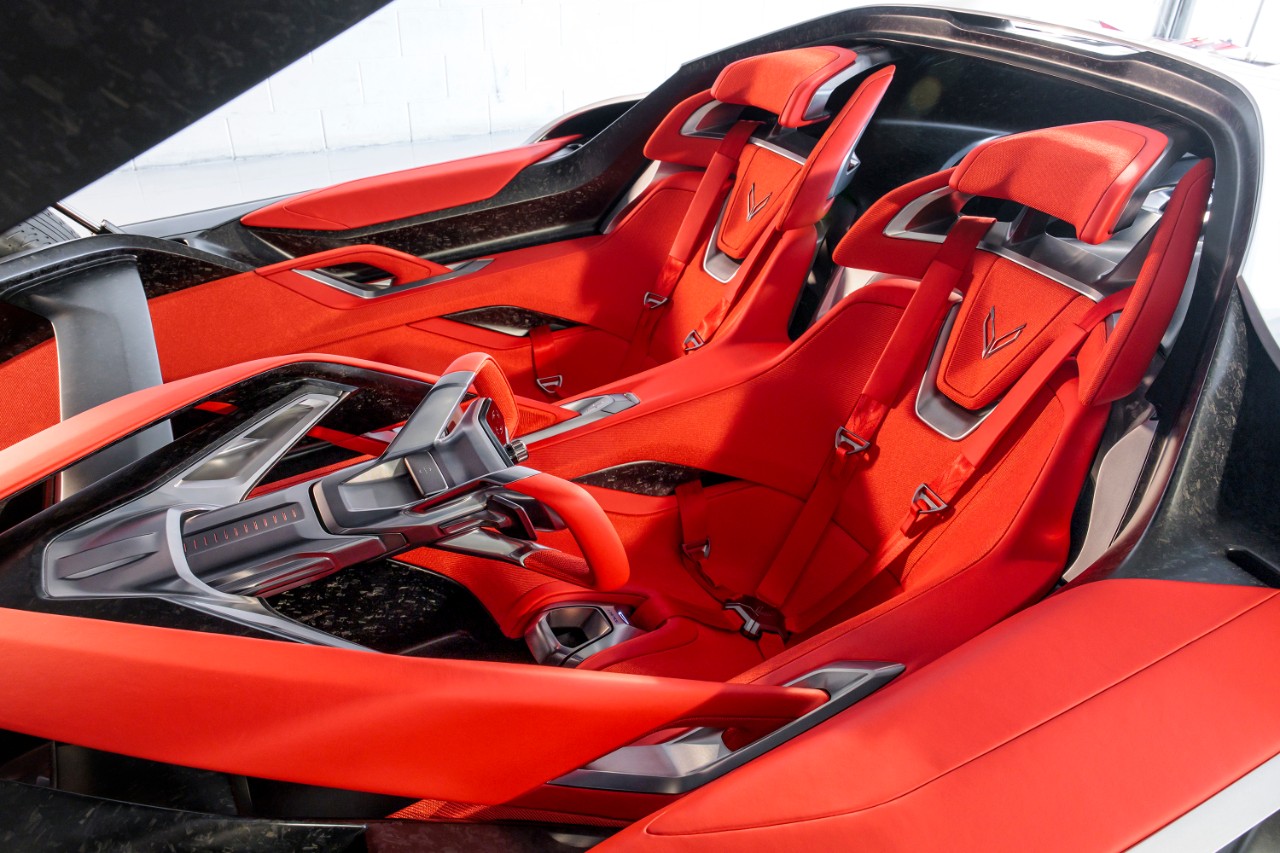
Corvette CX interior in Inferno Red. Concept vehicle shown. Not available for sale.
On the inside, every aspect of the CX concept was designed to provide an unmatched driving experience. The forward-opening fighter-jet-style canopy automatically raises as you approach. Driver and passenger settle into seating finished in Inferno Red ballistic textile, bolstered to help hold occupants in place during high-g cornering maneuvers. Premium silicone leather, milled aluminum, and low-gloss forged carbon fiber accents give an elevated feel to the driver-focused cabin.
The digital windscreen transforms the windshield into an immersive surround display with real-time performance data. Every major control is elegantly integrated into the steering wheel, keeping the driver’s focus on the road ahead.
Corvette CX.R Vision Gran Turismo: Future-focused, and inspired by racing pedigree
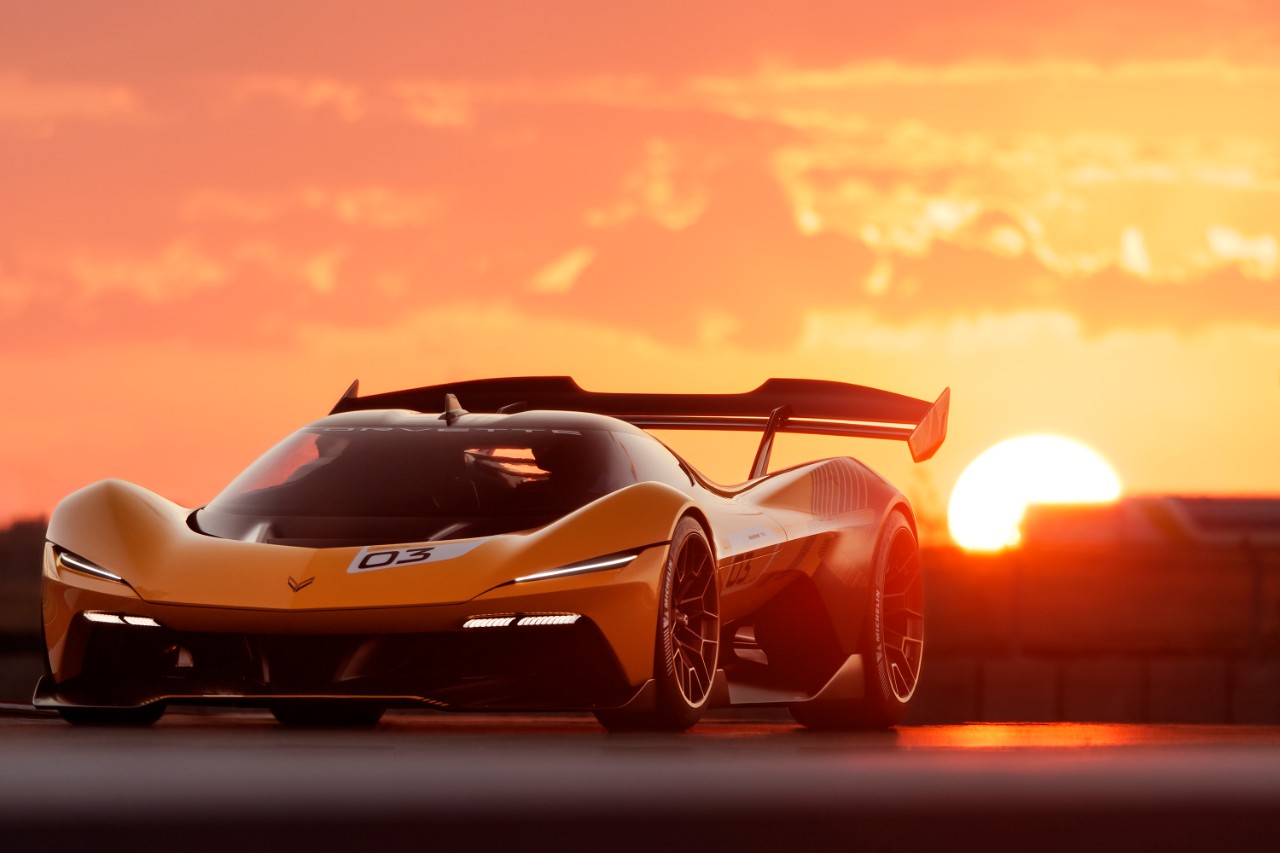
Front 3/4 view of Corvette CX.R Vision Gran Turismo. Concept vehicle shown. Not available for sale.
For more than 25 years, the Corvette road car program has been accompanied by a championship-caliber Corvette Racing competition program. This close relationship between road car and racecar isn’t just a source of pride for Corvette fans – it helps further the technical learnings that can be shared across both realms. True to Chevrolet’s performance DNA, the design team created a Corvette CX concept exclusively for track competition. The CX.R Vision Gran Turismo imagines the future of Corvette GT racing – a future gamers will be able to drive in Gran Turismo 7.
The CX.R VGT racecar embodies Corvette’s history while looking to the future of automotive performance. The familiar yellow and black color scheme honors the Corvette GT racecars of the past 25 years. Designers took CX’s athletic exterior and ramped up the aggression for CX.R VGT with more prominent active aero features and a lower ride height for racetrack-dominating downforce and grip. Weight has been reduced across the car to further emphasize the all-out focus on performance.
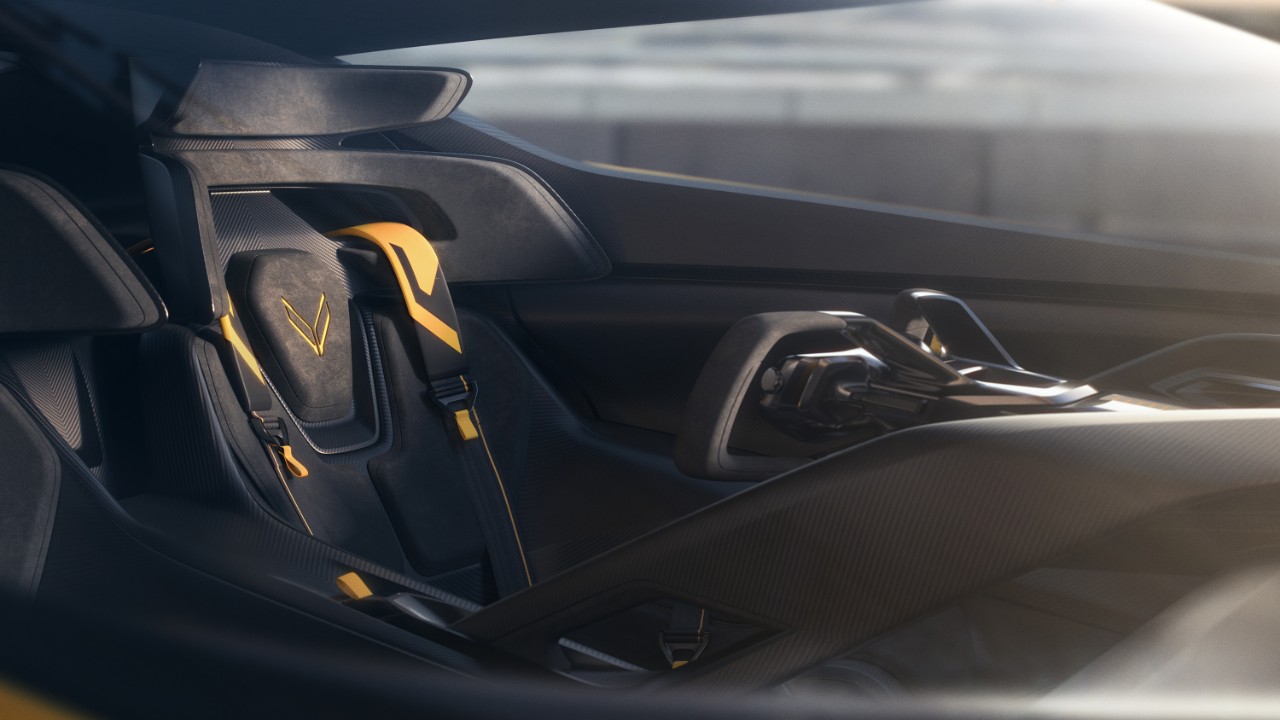
Corvette CX.R Vision Gran Turismo interior in yellow and black. Concept vehicle shown. Not available for sale.
Inside, the touring-inspired surfaces and materials of CX have been replaced by functional, high-performance appointments. The dashboard consists of lightweight raw carbon fiber weave, and the seating uses suede-wrapped foam inserts for grip and support where the driver needs it. The seats themselves have larger, much more aggressive shoulder and headrest pads to provide the head and neck support necessary with the intense handling capabilities CX.R VGT could deliver.
Building off the propulsion template set by the Corvette CX concept, the CX.R VGT combines electrified performance with the thrill of a high-revving V8 engine. The mid-mounted 2.0-liter dual-overhead-cam twin-turbo V8 makes up to 900 horsepower and revs to 15,000 rpm.
Powered by renewable e-fuel, this V8 drives the rear wheels through an 8-speed dual-clutch transmission. Three electric motors – one for each front wheel, plus a third incorporated into the 8-speed gearbox – provide instant torque for jaw-dropping acceleration and contribute to a total system output of 2,000 hp.
Experience the future vision of Corvette in Gran Turismo 7
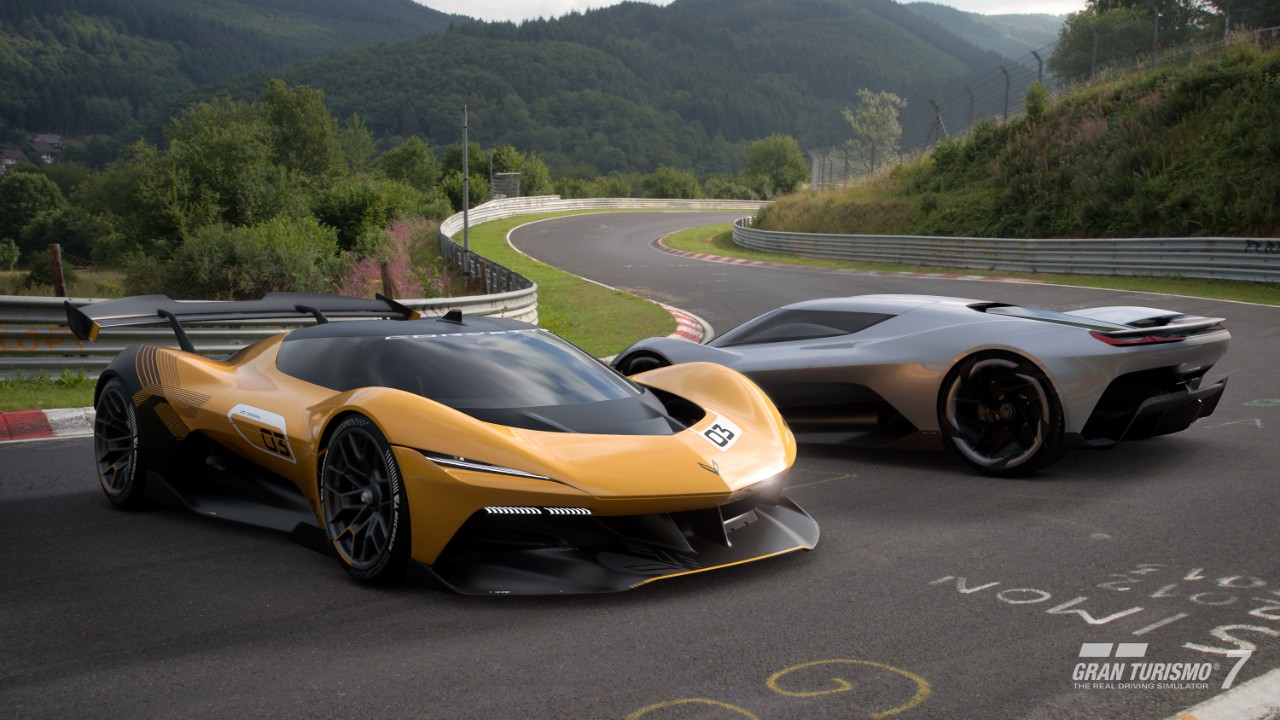
Corvette CX and CX.R Vision Gran Turismo at Nürburgring in Sony’s Gran Turismo 7. Concept vehicles shown. Not available for sale.
The Corvette CX and CX.R VGT aren’t just inspirational stage displays. In partnership with Chevrolet performance engineers, the Corvette design team created detailed blueprints for the chassis, drivetrain, and aerodynamic features of both the CX and CX.R VGT concepts. Working with Polyphony Digital Inc., a subsidiary of Sony Interactive Entertainment, Chevrolet will make both the roadgoing CX and the CX.R VGT racecar concepts available for fans to drive virtually in Gran Turismo 7 later this month, giving new and familiar audiences a chance to experience firsthand the future of Corvette design.
There’s nothing like the perfect playlist to match your summer drive—and Chevy has delivered. Introducing the Chevy Music Pass, a curated Spotify playlist packed with songs that celebrate the spirit of Chevrolet. From classic rock anthems to modern hits, these tracks pay tribute to the open road and the legendary Chevy name.

Featuring hits like “Little Red Corvette” by Prince, “American Pie” by Don McLean, and “My Chevrolet” by DJ Smokey Gray, this playlist is more than music—it’s a ride through American car culture. Whether you’re behind the wheel of a rugged Silverado or cruising in a sleek Malibu, these songs are the soundtrack to your Chevy lifestyle.
Ready to feel the rhythm of the road? Click here to listen on Spotify, or stop by Chevrolet of Burien and take a test drive with the playlist queued up.
Turn up the volume. It’s time to drive.
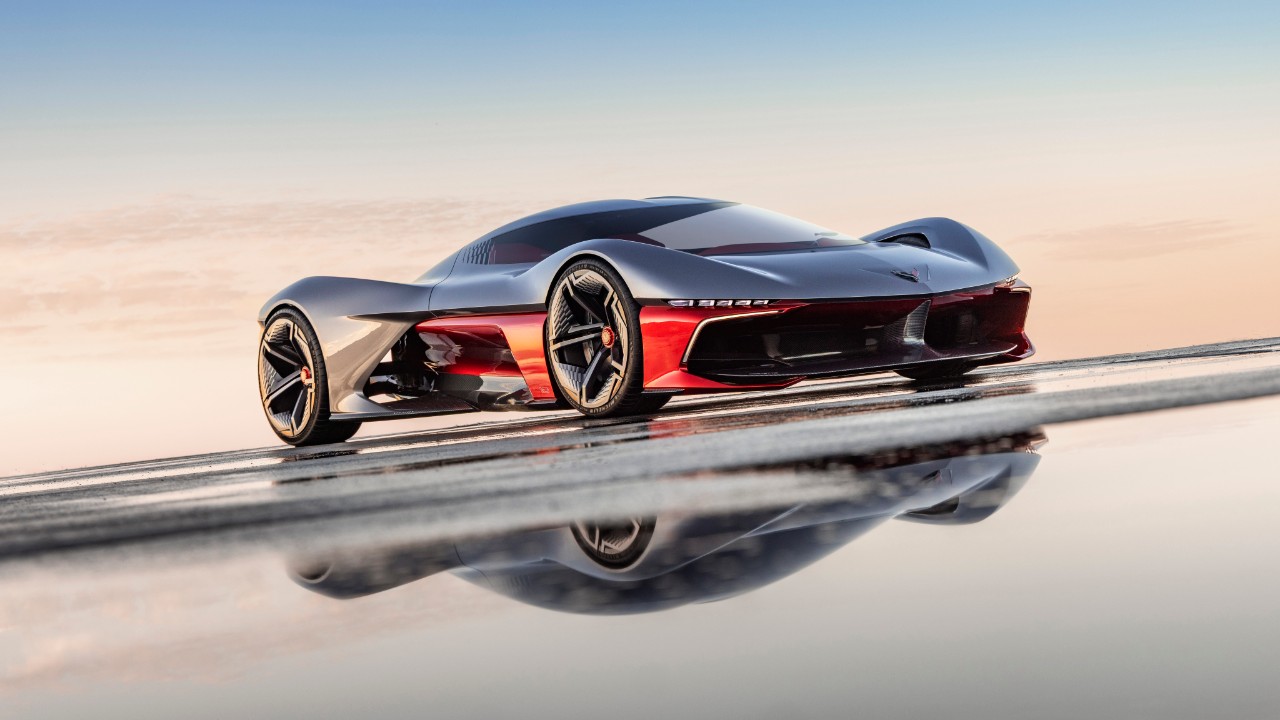
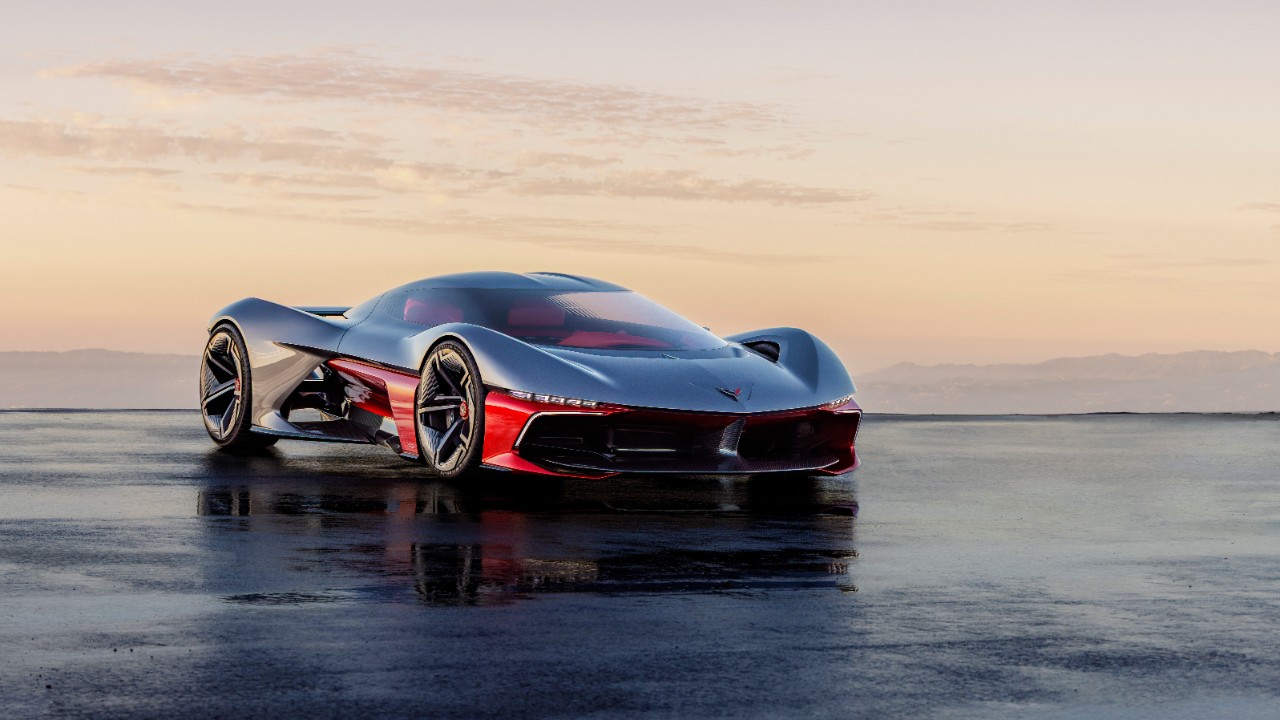
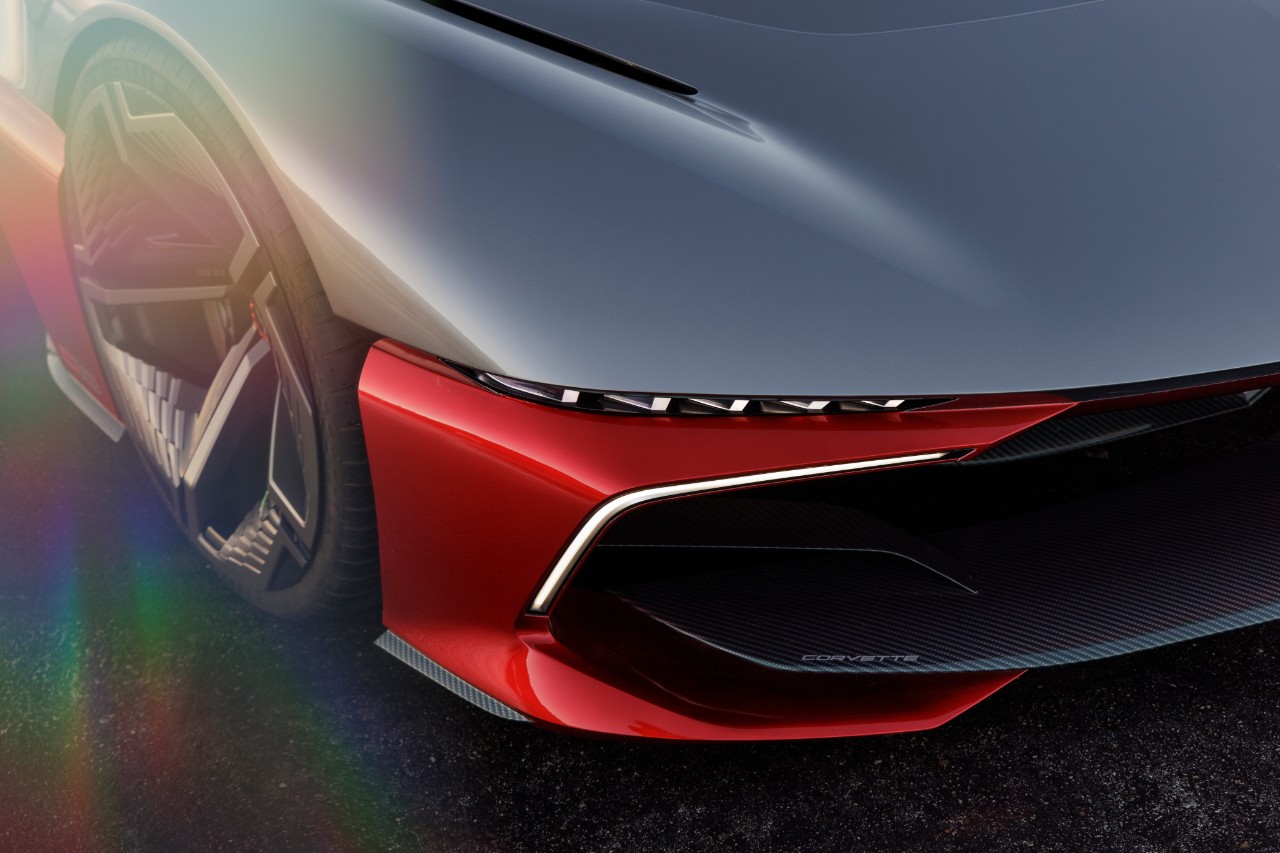
GM has revealed the second in a series of three Chevrolet Corvette concept design studies to debut in 2025. The California Corvette concept was developed by GM’s Advanced Design studios in Pasadena, as part of a global design project. This latest concept reimagines the Corvette with a futuristic, Southern California twist and reflects GM’s deep roots in the SoCal design community.
“Our Advanced Design teams are dedicated to shaping the future, driving innovation, and exploring what’s possible,” said Bryan Nesbitt, vice president of global design. “The California Corvette concept is another example of forward-thinking design. We invited multiple GM studios to envision Corvette-inspired hypercars — the first of which was revealed by our UK studio in March. The California team has now delivered a complementary study that honors Corvette’s legendary performance, while infusing it with their own distinctive vision.”
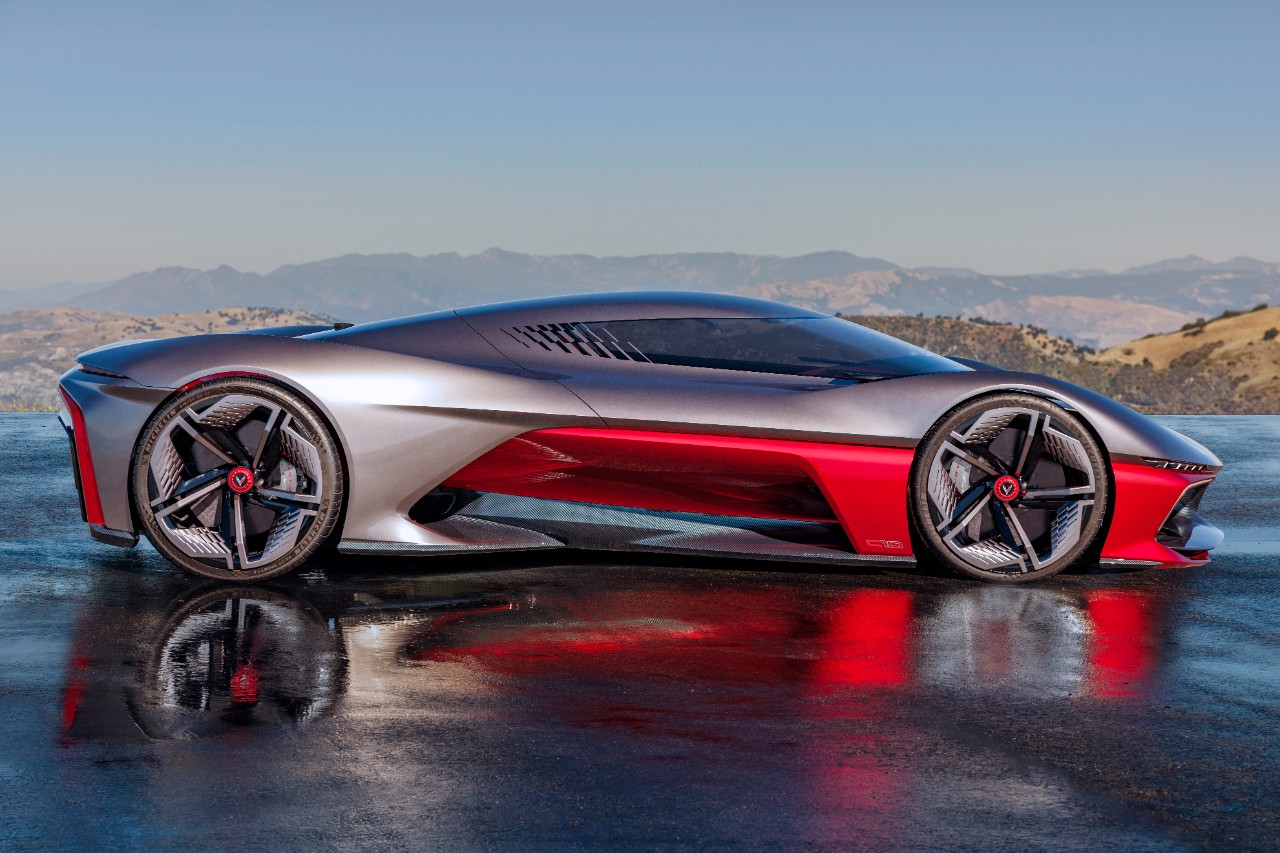
With a tapered cabin and dramatic cockpit canopy, the Advanced Design California Corvette concept combines classic Corvette proportions and futuristic elements.
The California Corvette concept pays homage to Corvette’s iconic heritage, but with a distinct SoCal flavor. For decades, GM has leveraged the Corvette nameplate to introduce concepts, experimental cars, and prototypes that push automotive design and engineering forward, and the California Corvette Concept continues this legacy. While there is no production intent behind this design study, the Pasadena team embraced this project as a blank slate to reimagine what the Corvette could be.
The front-hinged cockpit canopy can be removed, turning the Advanced Design California Corvette concept from a road-going sports car to an open-air track car.
“Southern California has been at the heart of automotive and design culture for a century, and GM has had a deep design presence here for nearly 40 years. We wanted to ensure that this concept was developed through that SoCal lens, but with a global and futuristic outlook. Duality of purpose is the basis of this concept’s design strategy,” said Brian Smith, design director, GM Advanced Design Pasadena. “The defining design aspect is the single-piece, front-hinged canopy than enables the entire upper shell to be removed, transforming the concept from an agile, slick sports car to a lightweight, open-air track car.”
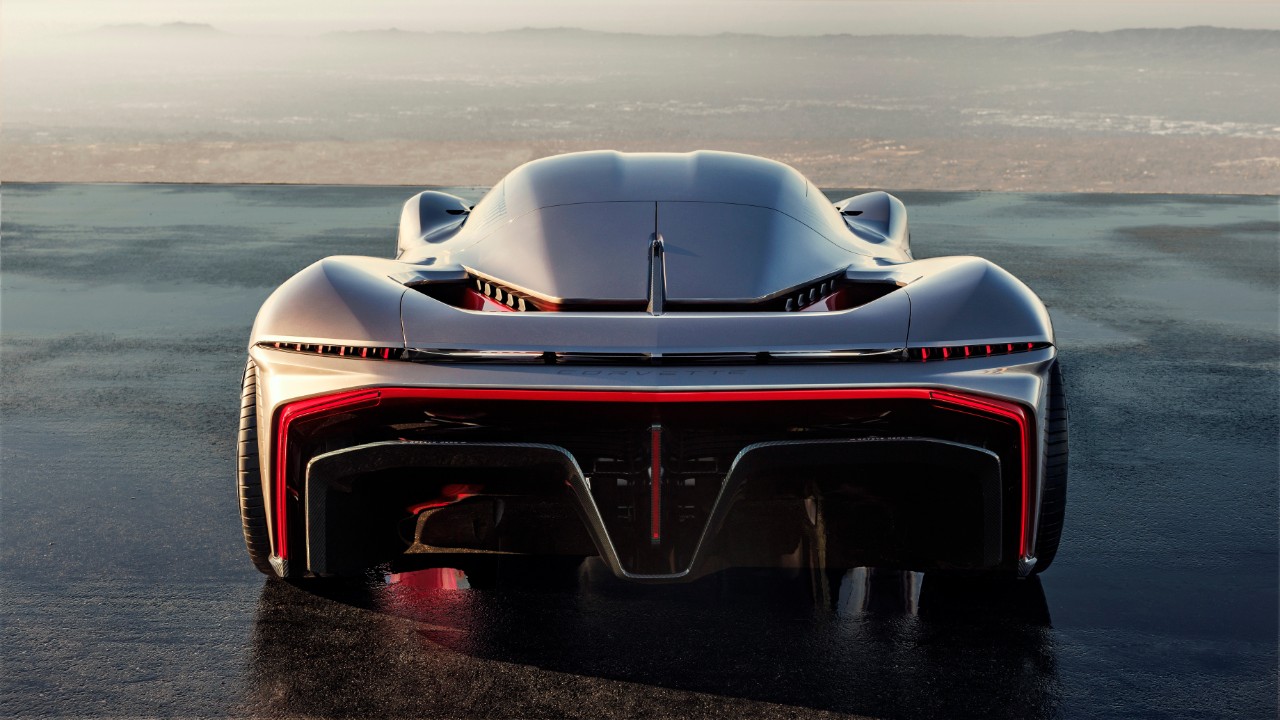
The Advanced Design California Corvette concept is the second of three Corvette concept designs debuting this year.
The California Corvette concept, a one-of-one hypercar, blends racing-simulator inspiration with iconic Corvette cues. Dramatic exterior proportions – wide at the wheels with a narrow, tapered cabin and a narrow cockpit – reflect classic Corvette DNA, while the dramatic single-piece front-hinged canopy transforms the vehicle from a sleek sports car to a lightweight, open-air track car, pushing the boundaries of what’s possible.
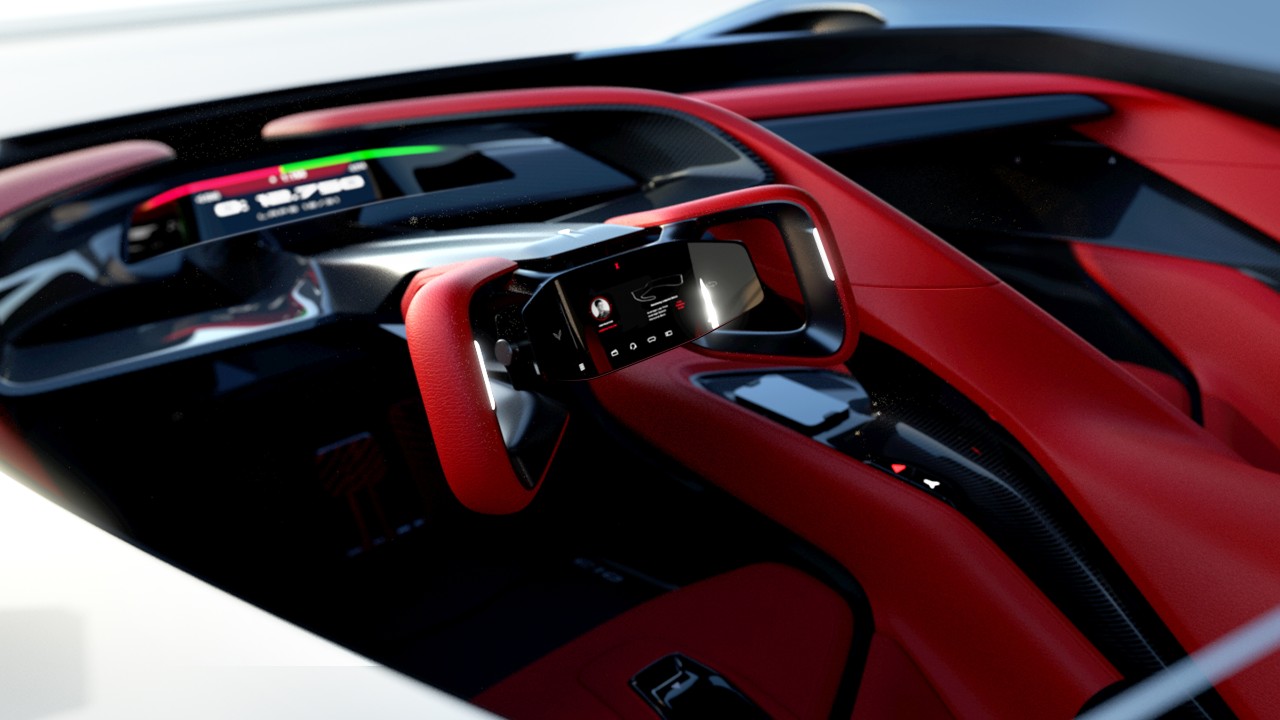
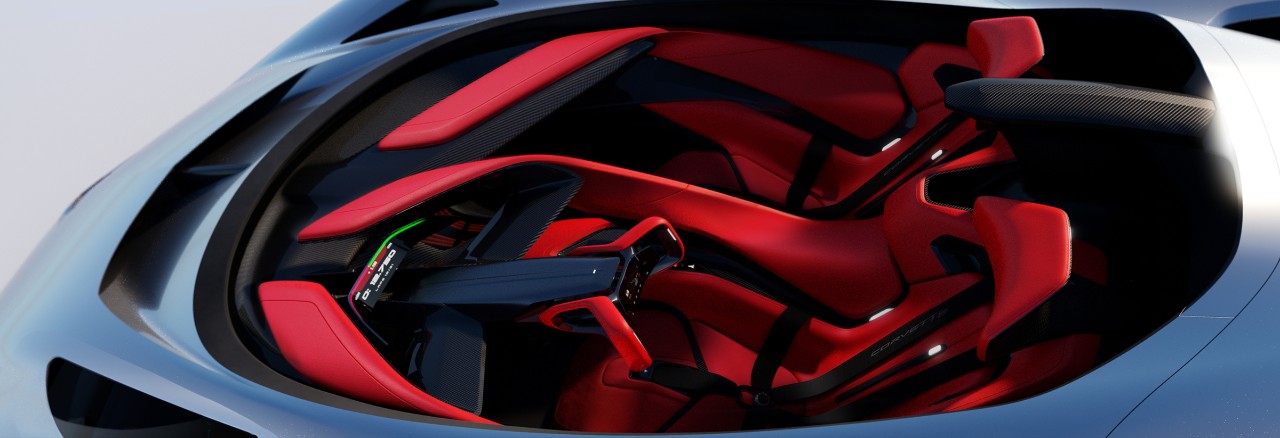
The interior design maximizes the driver’s focus with minimal distraction.
The minimalist interior centers on the driver, with integrated structural elements and performance-focused displays. An augmented-reality HUD enhances high-speed driving with only the most essential data displayed.
The GM studios in Pasadena encompass a 148,000-square-foot campus spread across three buildings and housing about 130 staff, spanning design, creative, facilities, operations, sculpting, fabrication and artisans. It’s fully equipped for advanced design, development, physical modeling and builds, and it plays a key role in GM’s global design network, which spans studios in Detroit, Shanghai, Seoul, the UK and Los Angeles.
Concept technical specifications and assumptions:
Body structure:
- Tunneled underbody with lightweight carbon tub
- Active aero spoiler and air brake
- Large, staggered wheels – 21” front wheels and 22” rear wheels
- Assumed T-shape prismatic battery pack – enabling low seating and better airflow around and through the chassis
Dimensions:
- 41.4 inches (1,051mm) / 86 inches (2,184mm) width / 182.5 inches (4,669mm) length
- 109 inches (2,767mm) wheelbase

GM continues to innovate in order to create the best American-made EV vehicles
Ultium Cells LLC, a joint venture between General Motors and LG Energy Solution, will upgrade its Spring Hill, Tennessee battery cell manufacturing facility to scale production of low-cost lithium iron phosphate battery cells, building on a $2.3 billion investment announced in 2021. Conversion of battery cell lines at Spring Hill to produce LFP cells will begin later this year, with commercial production expected by late 2027.
“At GM, we’re innovating battery technology to deliver the best mix of range, performance, and affordability to our EV customers,” said Kurt Kelty, VP of batteries, propulsion, and sustainability at GM. “This upgrade at Spring Hill will enable us to scale production of lower-cost LFP cell technologies in the U.S., complementing our high-nickel and future lithium manganese rich solutions and further diversifying our growing EV portfolio.”
GM’s flexible EV platform has been architected to enable the quick integration of multiple cell chemistries and form factors. The Ultium Cells plant in Warren, Ohio will continue producing cells with nickel cobalt manganese aluminum chemistry, which has been key to GM delivering a range of crossovers with more than 300 miles of range on a charge. With LFP battery technology, GM is targeting significant battery pack cost savings compared to today’s high-nickel battery pack while increasing consumer EV choice.
“The upgrade reflects the continued strength of our partnership with General Motors and our shared commitment to advancing EV battery innovation,” said Wonjoon Suh, executive VP and head of the Advanced Automotive Battery division at LG Energy Solution. “We will bring our extensive experience and expertise in U.S. manufacturing to the joint venture facility, further accelerating our efforts to deliver new chemistries and form factors that effectively capture the unmet needs in the EV market.”
The Spring Hill facility currently employs about 1,300 people. With the ability to manufacture battery cells in multiple cell chemistries, Spring Hill will help drive U.S. battery innovation, manufacturing, and consumer choice in the EV market.
“Ultium Cells’ additional investment and commitment to innovating and enhancing its Spring Hill operations is a testament to the state’s longstanding, cohesive partnerships, which started with General Motors, and grew to include LG Energy Solution in 2021, and we stand ready to continue supporting these companies and their joint venture for years to come,” said Stuart C. McWhorter, commissioner of the Tennessee Department of Economic and Community Development.
“We are grateful for the continued partnership and support we’ve received from the State of Tennessee as we continue to advance our lead in EV battery cell manufacturing,” said Kee Eun, President and CEO of Ultium Cells. “This investment expands our capabilities beyond a single battery cell chemistry, allowing us to produce new chemistries alongside our existing cells. Expanding our product portfolio ensures Ultium Cells will remain at the forefront of battery cell innovation and sustain our commitment to be a stable, long-term employer for the communities we serve.”

If you’re planning a trip into Washington’s Cascade or Olympic mountains, you’re in for a scenic, unforgettable adventure. Towering peaks, alpine lakes, and winding roads offer the perfect escape—whether you’re hiking, camping, or simply exploring the backroads. But mountain environments can also bring unpredictable weather, rough terrain, and spotty cell service, so preparation is key.
At Burien Chevrolet, we want your mountain getaway to be safe and stress-free. Here are our top safety tips to help you prepare your vehicle and your gear before hitting the road.
1. Plan Ahead and Check Conditions
Before you head out:
- Check the weather forecast for the entire region, not just your destination.
- Review road and trail conditions using WSDOT and park service websites.
- Let someone know your itinerary, especially if you’re heading into backcountry areas with limited reception.
- Download offline maps (like Google Maps or Gaia GPS), since signal is limited in remote areas.

2. Pack Smart and Be Mountain-Ready
Even for short trips, keep these essentials on hand:
- First aid kit
- Flashlights/headlamps with extra batteries
- Extra food and water
- Emergency blankets or sleeping bags
- Multi-tool or knife
- Tire chains (especially in shoulder seasons or winter)
- Phone charger and/or power bank
- Basic repair tools and jumper cables
- Printed maps or a trail guide
Dress in layers and bring waterproof gear—even summer mornings can turn chilly at elevation.
3. Prep Your Vehicle for Mountain Travel
Mountain driving can push your vehicle to its limits. Before you go:
- Check tire tread and pressure, especially if heading onto gravel or snow.
- Test your brakes—mountain descents demand good stopping power.
- Inspect your battery, belts, and hoses for wear or corrosion.
- Top off all fluids, including oil, coolant, and windshield washer.
- Ensure your 4WD or AWD system is functioning properly (if applicable).
- Keep your gas tank at least half full in case of long distances between stations.
Don’t forget to pack an emergency roadside kit with flares, reflectors, and a jack.
4. Drive Cautiously and Respect Nature
Mountain roads are winding, narrow, and often shared with wildlife. Take it slow:
- Use lower gears when descending steep grades.
- Yield to uphill drivers on single-lane roads.
- Watch for rockfall zones and debris, especially after storms.
- Be wildlife-aware, particularly at dawn and dusk.
- Leave no trace—pack out what you pack in and respect posted signs.
5. If the Unexpected Happens, Burien Chevrolet Has Your Back
Even the most well-prepared adventures can hit bumps in the road—literally. Whether it’s a cracked undercarriage from a rough trail, an overheating engine on a steep climb, or minor body damage from a tight switchback, Burien Chevrolet is here to help.
- Certified Chevy technicians can diagnose and repair off-road damage.
- We offer comprehensive inspections to ensure your vehicle is mountain-ready before you go.
- Need a lift? Our service team can help arrange towing and support for breakdowns or recovery.
Before your next trip, swing by Burien Chevrolet for a pre-adventure checkup, and if you return with a few mountain scars on your truck or SUV, we’ll help get it back in peak shape.
Chevrolet brand now #2 in U.S. EV sales
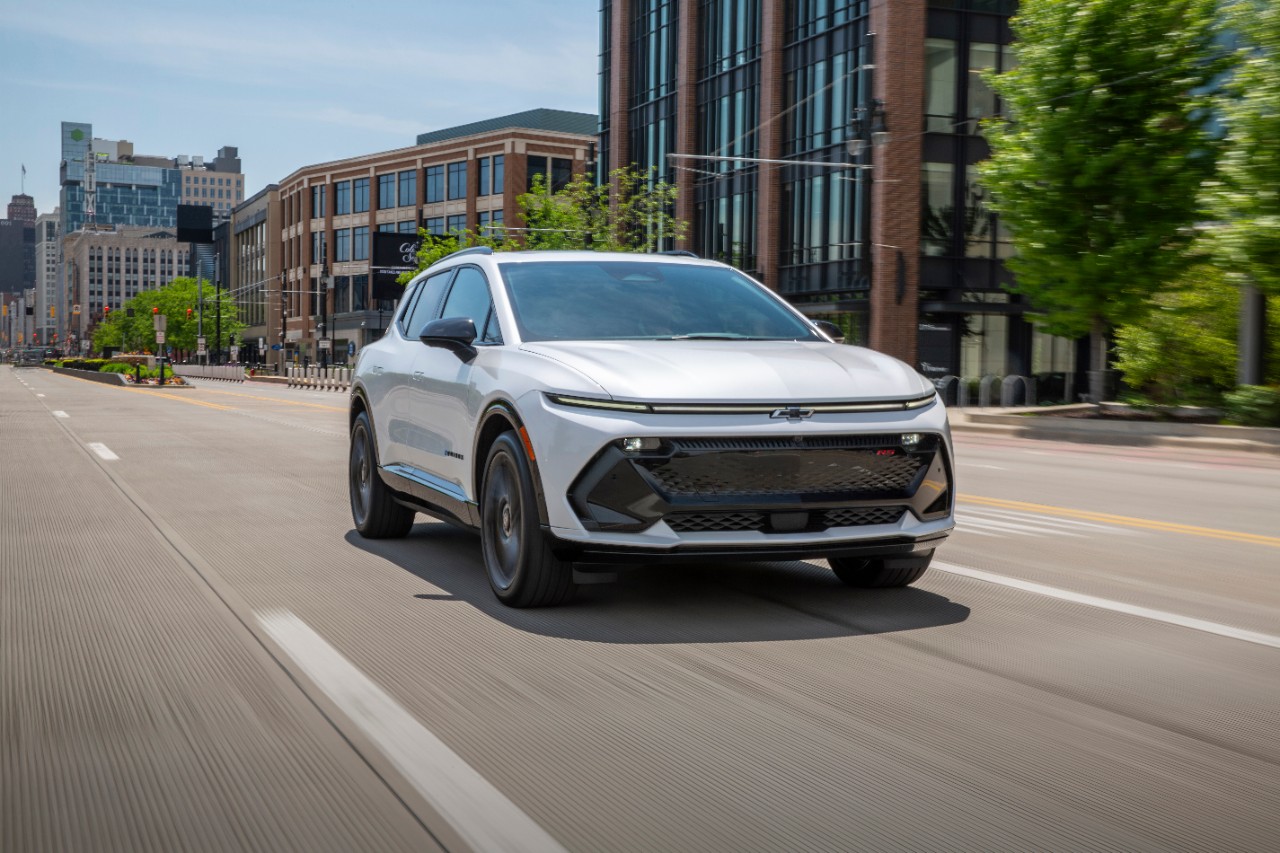
Driven by our broad portfolio of 13 EVs from Chevrolet, Cadillac, and GMC, GM has solidified its position as the #2 seller of EVs in the U.S., with more than 62,000 EVs sold in the U.S. year to date through May.
In the 2025 first quarter, Chevrolet became the fastest growing domestic EV brand, surpassing Ford. For the year through May, Chevrolet has sold more than 37,000 EVs in the U.S., compared to 34,000 for Ford. GM will report second quarter sales on July 1.
GM’s portfolio includes highly capable full-size trucks with impressive, available range like the Chevrolet Silverado EV, GMC Sierra EV, and GMC HUMMER EV; groundbreaking luxury SUVs from Cadillac like the Escalade IQ; and the budget-friendly Chevrolet Equinox EV.
May was GM’s second-best month in history for EV sales, which follows 94% year-over-year growth in the first quarter. In the first two months of the second quarter, GM’s share of the U.S. EV market was about 15.5%, more than double our position a year ago and approaching the company’s national market share of 17%.
“Customers are responding in record numbers to our world-class portfolio of electric and gas-powered vehicles,” said Rory Harvey, executive VP and president of global markets. “In the first two months of the second quarter, we more than doubled our EV sales compared to the same period last year.”
GM drivers have access to more than 250,000 public chargers across North America. In late March, Pilot Company, GM, and EVgo Inc. reached a major milestone in their nationwide electric vehicle charging collaboration, now offering fast-charging infrastructure at more than 130 locations across 25-plus states. GM is also part of Ionna, a joint venture with seven other automakers that plans to open 30,000 charging bays across the U.S. by 2030.
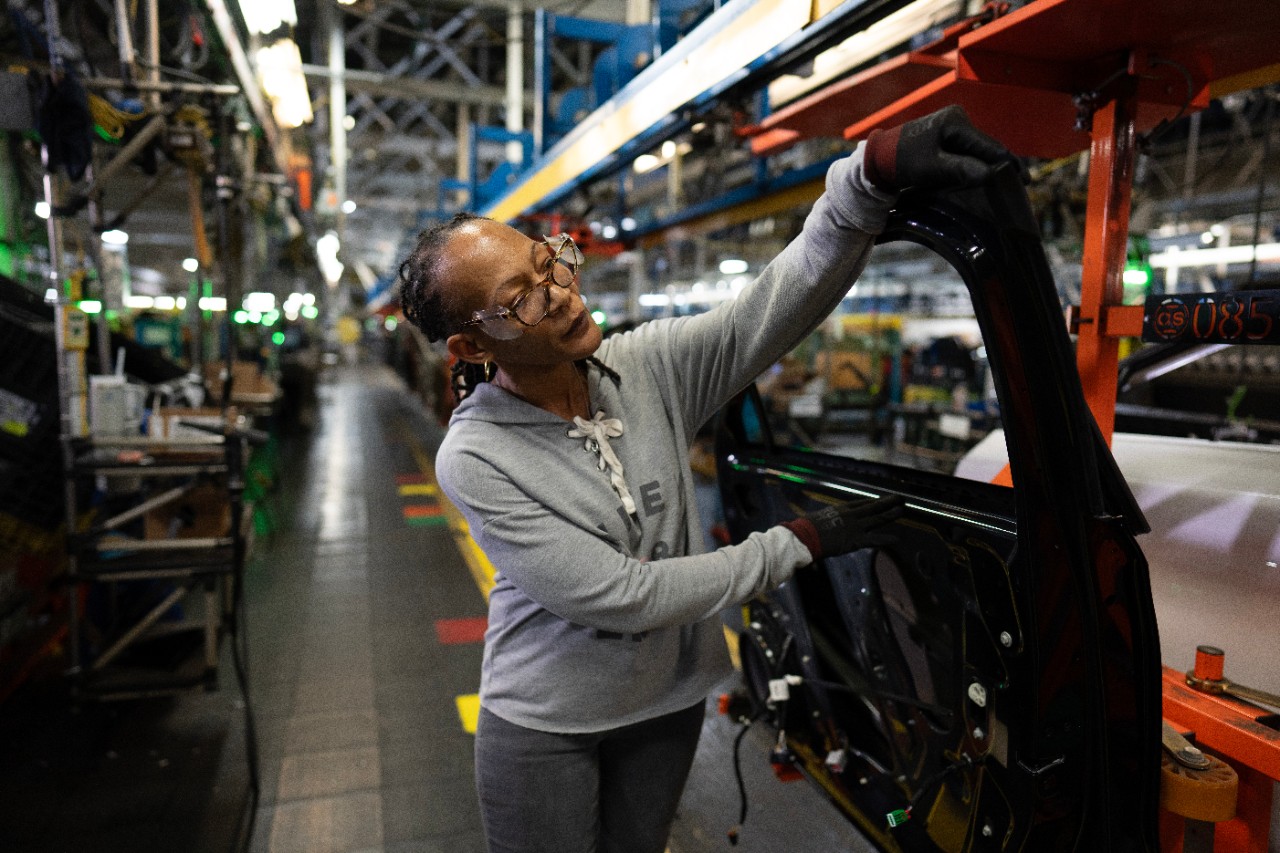
General Motors today announced plans to invest about $4 billion over the next two years in its domestic manufacturing plants to increase U.S. production of both gas and electric vehicles.
The new investment will give GM the ability to assemble more than two million vehicles per year in the U.S. This announcement comes on the heels of the company’s recently announced plan to invest $888 million in the Tonawanda Propulsion plant near Buffalo, New York to support GM’s next-generation V-8 engine.
Plants in Michigan, Kansas, and Tennessee will expand finished vehicle production of several of GM’s most popular vehicles:
- Orion Assembly, Orion Township, Michigan: GM will begin production of gas-powered full-size SUVs and light duty pickup trucks at Orion in early 2027 to help meet continued strong demand. As a result, GM’s Factory ZERO in Detroit-Hamtramck, Michigan will be the dedicated assembly location for the Chevrolet Silverado EV, GMC Sierra EV, Cadillac ESCALADE IQ, and GMC HUMMER EV pickup and SUV.
- Fairfax Assembly, Kansas City, Kansas: Fairfax Assembly will support production of the gas-powered Chevrolet Equinox beginning in mid-2027. Sales of the recently redesigned Equinox were up more than 30% year-over-year in the first quarter of 2025. Fairfax remains on track to begin building the 2027 Chevrolet Bolt EV by the end of this year. GM expects to make new future investments in Fairfax for GM’s next generation of affordable EVs.
- Spring Hill Manufacturing, Spring Hill, Tennessee: GM will add production of the gas-powered Chevrolet Blazer at Spring Hill starting in 2027, alongside the Cadillac LYRIQ and VISTIQ EVs, and the Cadillac XT5.
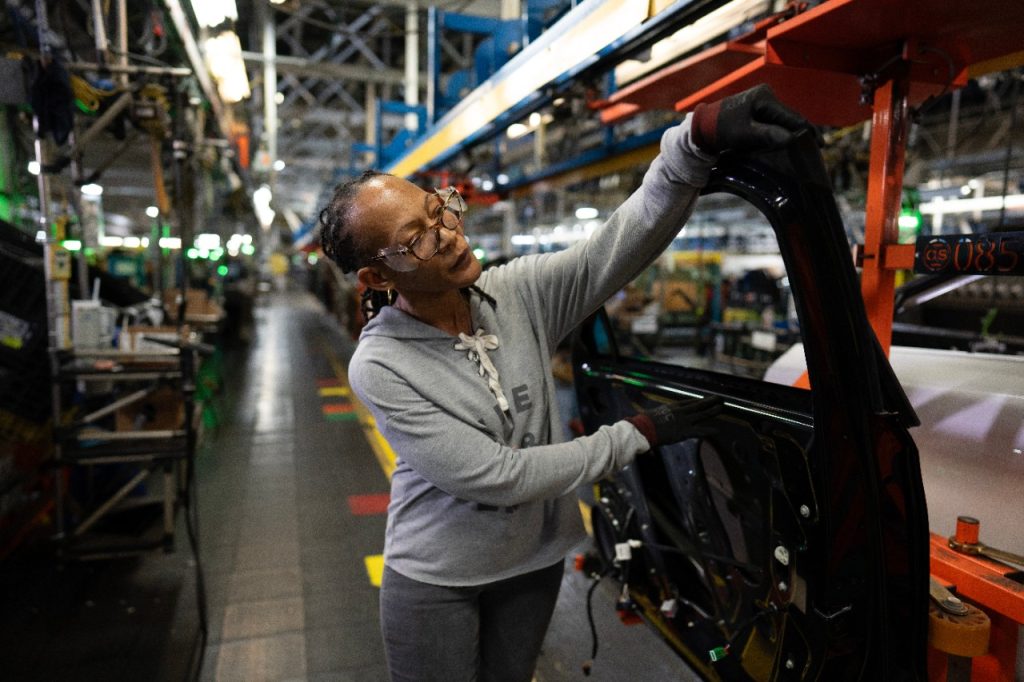
“We believe the future of transportation will be driven by American innovation and manufacturing expertise,” said Mary Barra, Chair and CEO. “Today’s announcement demonstrates our ongoing commitment to build vehicles in the U.S and to support American jobs. We’re focused on giving customers choice and offering a broad range of vehicles they love.”
GM has a network of 50 U.S. manufacturing plants and parts facilities in 19 states, including 11 vehicle assembly plants. Nearly one million people in the U.S. depend on GM for their livelihood, including employees, suppliers, and dealers.
“Today’s news goes well beyond the investment numbers — this is about hardworking Americans making vehicles they are proud to build and that customers are proud to own,” said GM President Mark Reuss. “As you travel the country, you can see firsthand the scale of our manufacturing footprint and the positive economic impact on our communities and our country.”
GM continues to post strong U.S. sales, gaining market share in both gas and electric vehicles. The company is on track to deliver its sixth consecutive year as the U.S. full-size pickup sales leader, and its 51st straight year leading in full-size SUVs. In the second half of 2024, GM became the #2 seller of electric vehicles in the U.S. market, thanks to its diverse portfolio of 13 EV models from Chevrolet, Cadillac, and GMC. Chevrolet is now the fastest-growing EV brand and #2 among all EV brands in sales.
GM’s 2025 capital spending guidance is unchanged at between $10 billion and $11 billion. Going forward, GM expects its annual capital spending will be in a range of $10 billion to $12 billion through 2027, reflecting increased investment in the U.S., the prioritization of key programs, and efficiency offsets.
General Motors (NYSE:GM) is driving the future of transportation, leveraging advanced technology to build safer, smarter, and lower emission cars, trucks, and SUVs. GM’s Buick, Cadillac, Chevrolet, and GMC brands offer a broad portfolio of innovative gasoline-powered vehicles and the industry’s widest range of EVs, as we move to an all-electric future. Learn more at GM.com.

Connect with us


Recent Blog Entries
- “See the USA in Your Chevrolet” and Other Heritage Campaigns to Celebrate America 250
- GM leads the charge in vehicle-to-home EVs: inside the home energy ecosystem
- Corvette has strength in numbers at Le Mans
- Charge Into the Future — 36 Electric Vehicles In Stock at Burien Chevrolet!
- 1-of-1 2026 Corvette ZR1X raises $2.6 million for America’s heroes