




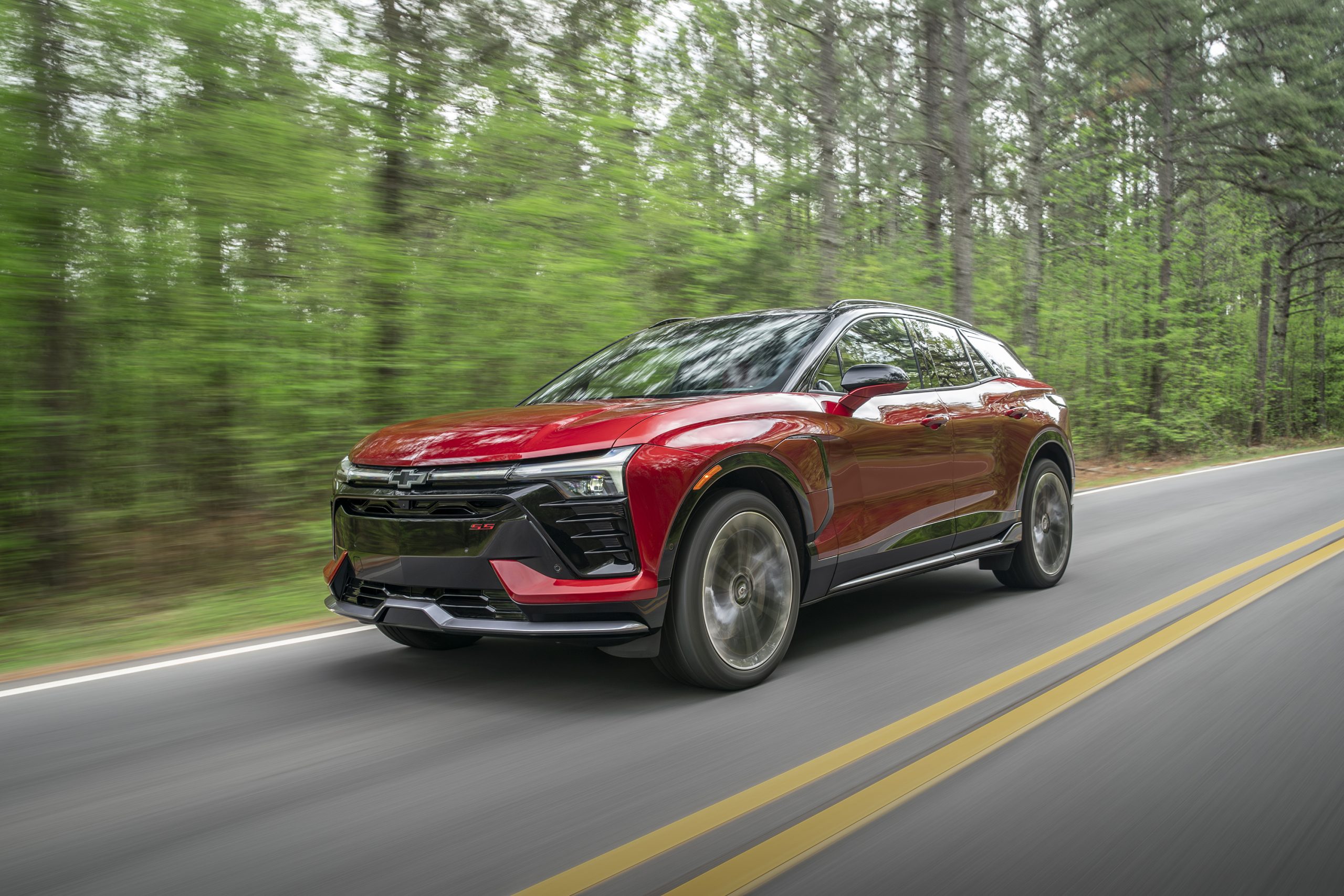
General Motors will launch a centralized computing platform and next-generation electrical architecture across electric and gas-powered vehicles, starting with the Cadillac ESCALADE IQ in 2028. The new design represents a fundamental reimagining of how GM vehicles are built, and how they can be updated over time.
Already, more than 4.5 million GM vehicles can receive over-the-air vehicle system updates, a number growing by about 2 million per year. Last year alone, 1.6 million vehicles received coordinated software updates.
Now, we’re taking this capability even further.
A new approach
GM is moving toward a centralized computing design that unlocks new levels of performance, scalability, and software efficiency.
The revised architecture dramatically reduces the number of vehicle modules, simplifying design, improving reliability, and enabling faster software updates, while preserving GM’s manufacturing scale and flexibility.
With this approach, GM will share software across its portfolio, both electric and gas-powered vehicles, large and small. GM vehicles will be always connected, awake, and available, with near-instant responsiveness to remote commands.

This diagram depicts the revised architecture of GM’s vehicle computing platform.
The updated architecture builds on GM’s Vehicle Intelligence Platform, which launched in 2020 to allow secure over-the-air updates. In 2022, GM unified dozens of infotainment modules into a single computing platform and consolidated multiple advanced driver assistance systems into one. The new platform consolidates dozens of electronic control units into a unified computing core that coordinates every subsystem in the vehicle in real time.
Faster, smarter updates
Much like a smartphone’s single, powerful microprocessor that orchestrates everything from your camera to your messages, this centralized approach connects every system — propulsion, steering, braking, infotainment, and safety — through a high-speed Ethernet backbone.
This has the potential to drive dramatic change for customers:
- Growing to deliver 10 times more software updates for new features than our previous system.
- Real-time safety updates in a self-driving system that reacts in milliseconds and evolves with each autonomous update – even faster than our current system.
- 1,000 times more bandwidth for faster connectivity, richer entertainment, and future AI workloads.
Under the hood
At the heart of the system is a liquid-cooled central compute unit powered by next-generation processors such as NVIDIA Thor. That core connects to three aggregators, serving as hubs for the vehicle’s different zones.
Instead of wiring hundreds of sensors and actuators directly to the central processor, these aggregators act as translators, converting sensor signals into a unified digital language, and routing commands back to the correct hardware.
This design delivers two major advantages:
- Hardware freedom: Vehicle-specific components stay isolated from the software layer, so GM can swap suppliers or upgrade parts like brake actuators, cameras, displays, and other components without rewriting core code.
- Radical simplification: The new architecture simplifies the network topology. Instead of hundreds of point-to-point connections creating complex wiring and software integration challenges, you get clean “star-network” topologies with aggregators fanning out to their local zones.
The aggregators themselves are simple, functioning like smart junction boxes rather than miniature computers. They marshal data and commands but execute zero control logic. All intelligence, including sensor fusion algorithms, control arbitration, and machine learning inference, runs on the Thor-powered computing platform, centralizing processing and simplifying software updates by consolidating them to a single location in the vehicle.
Built for scale
With up to 35 times more AI computing power (TOPS, or trillions of operations per second) for autonomy and a 2–4x boost in infotainment performance, GM’s platform is engineered with massive headroom as we build next-generation features. Its high-speed, low-latency Ethernet backbone supports real-time responsiveness, continuous connectivity, and future technology integration at scale.
The architecture also preserves hardware freedom — vehicle-specific components remain isolated from the software layer, allowing GM to upgrade key system components without rewriting core code.
Propulsion agnostic
GM’s new platform is propulsion agnostic, engineered to support both electric and internal-combustion vehicles. A single software and computing foundation means innovations developed for one vehicle type can be rapidly scaled across the entire portfolio, accelerating feature deployment while upholding GM’s standards for safety, cybersecurity, and reliability.
The road ahead
By combining centralized compute, software consolidation, and GM’s global scale, this architecture marks the beginning of a new chapter for the company’s vehicles:
- Cars that learn and improve throughout their lifetime.
- Architectures that deliver real-time intelligence and faster autonomy.
- Platforms that bring the efficiency of the digital world into the physical one.
GM’s new computing platform will connect every GM vehicle to a smarter, faster, and continuously improving future.
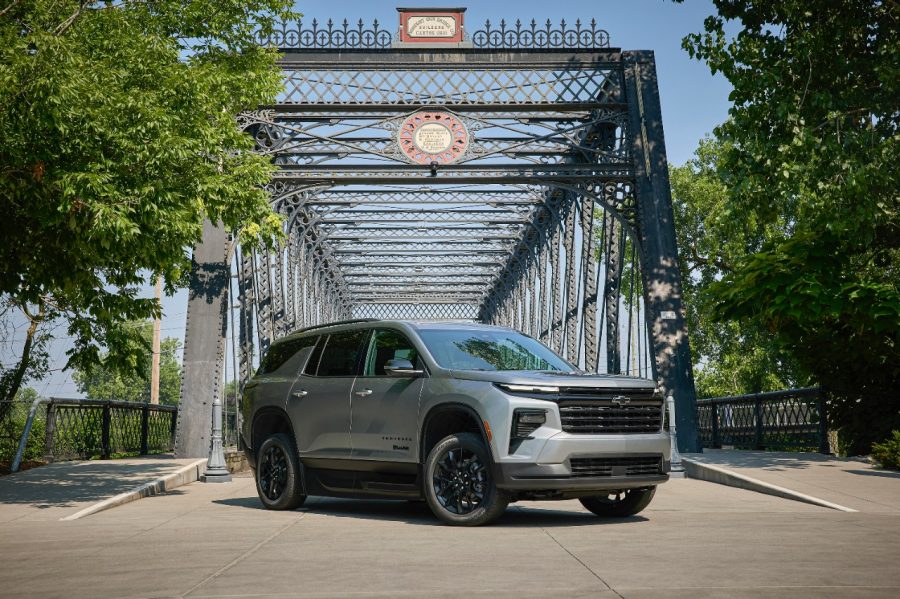
Chevrolet honors an American hero with a new wheelchair-accessible SUV – the next-generation BraunAbility Traverse
This blog originally appeared on the Chevrolet website.
Retired U.S. Army Sergeant Nick Koulchar was deployed in Baghdad during Operation Iraqi Freedom when he was injured in the line of duty. As a combat engineer and gunner with the U.S. Army Alpha Company 40th Engineers, Task Force 1/6, Koulchar’s vehicle was struck by an improvised explosive device. He underwent a double leg amputation above the knee.
It didn’t slow Koulchar down. Today, he enjoys hunting, weightlifting, and is a 40-time marathoner. He’s also an accomplished handcyclist with the Achilles Freedom Team, composed of fellow veterans with disabilities. He lives with his wife and three children in a barrier free home in Hartland, Michigan.
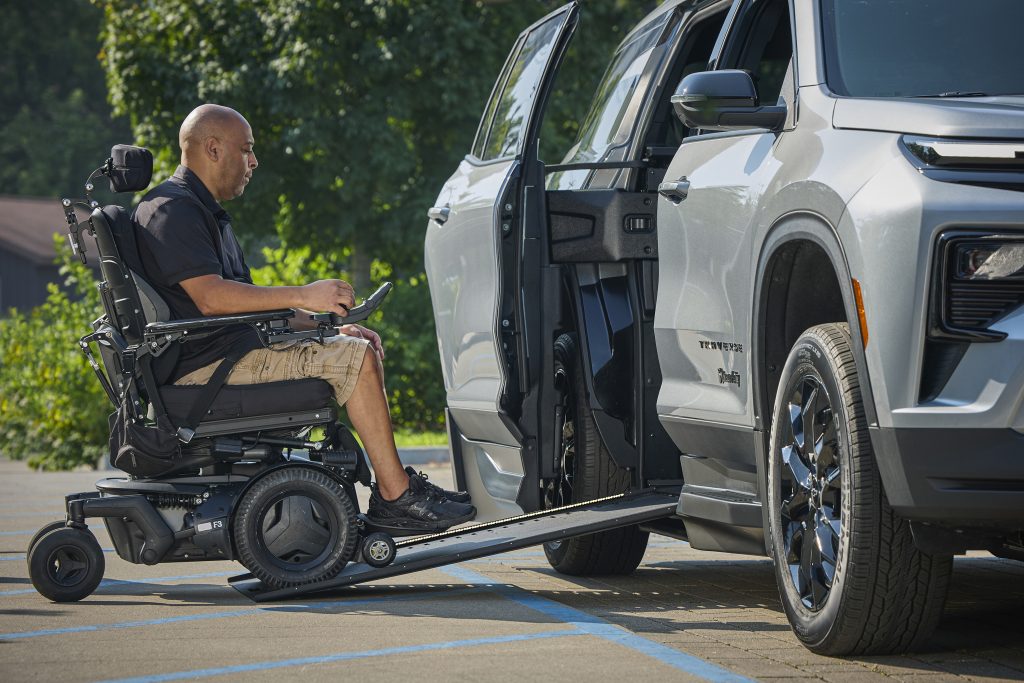
The next-generation BraunAbility Chevrolet Traverse is a strong fit for people like Koulchar – wheelchair users who lead active lives. “Everybody has the power to turn their trauma into a positive,” said Koulchar. “People see the missing legs as a disadvantage, but I see them as a superpower.”
Thanks to its rugged, truck-inspired design, the BraunAbility Traverse sets a new standard in wheelchair-accessible vehicles, offering a practical and capable alternative to traditional converted minivans.
Country Music Association and Chevrolet honored America’s veterans and active-duty military at the CMA Awards in Nashville, Tennessee. In front of 100 soldiers of the 101st Airborne Division (Air Assault) at Fort Campbell, Country Music superstar Ella Langley welcomed Koulchar to the live show, and gave audiences a look into Chevrolet’s special surprise for him — a next-generation BraunAbility Traverse.
Hosted by Lainey Wilson, Country Music’s Biggest Night™ aired live from Nashville’s Bridgestone Arena Wednesday, Nov. 19 (8:00-11:00 p.m. EST), on ABC and will be available the following day on Hulu.
A new kind of accessible vehicle
The BraunAbility Traverse is upfitted from the Chevrolet Traverse LT, and will be available to customers in 2026 through BraunAbility’s nationwide mobility dealer network.
“The Traverse was redesigned in model year 2024, and we’re proud to once again collaborate with BraunAbility to offer a wheelchair-accessible, next generation model,” said Scott Bell, vice president, Global Chevrolet.
“The BraunAbility team is continually innovating and leading in the accessibility industry, and we’re honored to be able to help offer this vehicle to the millions of Americans living with a disability,” said Bell.
Customers will be able to customize the new BraunAbility Traverse to their individual accessibility needs. Chevrolet and BraunAbility engineered the Traverse to accommodate a wheelchair user as driver, front seat passenger, or second row passenger.
BraunAbility was recently honored by Forbes in its first-ever Accessibility 100 list, highlighting the company’s impact in the mobility and accessibility space. The previous-generation BraunAbility Traverse, available through model year 2023, was named Disability:IN’s Accessible Product of the Year for 2023.
Accessibility features by BraunAbility
- Fully lowered floor design with integrated in-floor ramp, and vehicle kneeling function for seamless entry and exit for wheelchair users
- All-new BraunAbility glide door system with extra-wide, extra-tall opening (31 inches by 54.5 inches) for effortless access, with space for larger wheelchairs
- First SUV with WayfinderTM illuminated side entry ramp for enhanced visibility
- Designed for maximum wheelchair maneuverability, with generous interior space and removable front seats for flexible seating options
“The BraunAbility Traverse showcases our advanced engineering and strong collaboration with GM, delivering accessibility without sacrificing Chevrolet’s signature design,” said Craig Schrimsher, president, BraunAbility. “With this product, we’re giving our customers more choices than ever – an SUV that uniquely fits their lifestyle and individuality.”
Redesigned, stylish Traverse
The Traverse is a family-friendly midsize SUV with more than 20 standard safety and driver assistance features. Standard in the current generation Traverse are a 17.7-inch-diagonal infotainment screen, 11-inch-diagonal driver information screen, and best-in-class max cargo capacity – all of which come standard in the BraunAbility Traverse.
Offering further customizability and personal style, the BraunAbility Traverse is available as a Sport Edition or an all-black Midnight Edition. Both models feature 20-inch black painted wheels, black grille, black bowtie emblems and Traverse badging, and black upper door moldings.
Miscellaneous vehicle features
- All-new SmartSuite+ diagnostic system for faster vehicle service
- Noise-reducing insulation for a quiet comfortable ride
- More available cupholders than prior generation
The Chevrolet Traverse is proudly assembled with domestically and globally sourced parts at GM’s Lansing Delta Township Plant in Lansing, Michigan, and BraunAbility will upfit every vehicle at its manufacturing headquarters in Winamac, Indiana. Pricing will be announced at a later date.

The holiday season just got brighter at Burien Chevrolet! Through November 30, 2025 you’ll receive a $500 Amazon® Gift Card when you trade in your current vehicle and purchase or lease a new or pre-owned model in stock as our way of saying thanks. It’s the perfect bonus to help with holiday shopping — or to treat yourself.
How the Offer Works
When you bring in your trade-in, one of our friendly experts will work with you to find a great deal on any new or used vehicle available on our lot. As long as your trade-in vehicle has a clean, licensed title and is fully operational — and the purchase or lease is completed — you’ll qualify for the $500 Amazon Gift Card. Once the paperwork is complete and we have the title for your trade-in, and you’ll be on your way!
A $500 Amazon Gift Card can go a long way to make this holiday season extra merry. Even better, the offer applies to any new or pre-owned model currently in our inventory — giving you flexibility to choose the right vehicle for your needs and budget.
This offer is available only through November 30, so don’t wait too long to take advantage.
Visit Us to Get Started
Stop by 14400 1st Ave S, Burien, WA 98168 or give our sales team a call at 206-243-5800. We’re here to help you find the perfect vehicle and enjoy an extra $500 of holiday shopping power.
Celebrate the season with a smarter upgrade — and a gift from us to you.
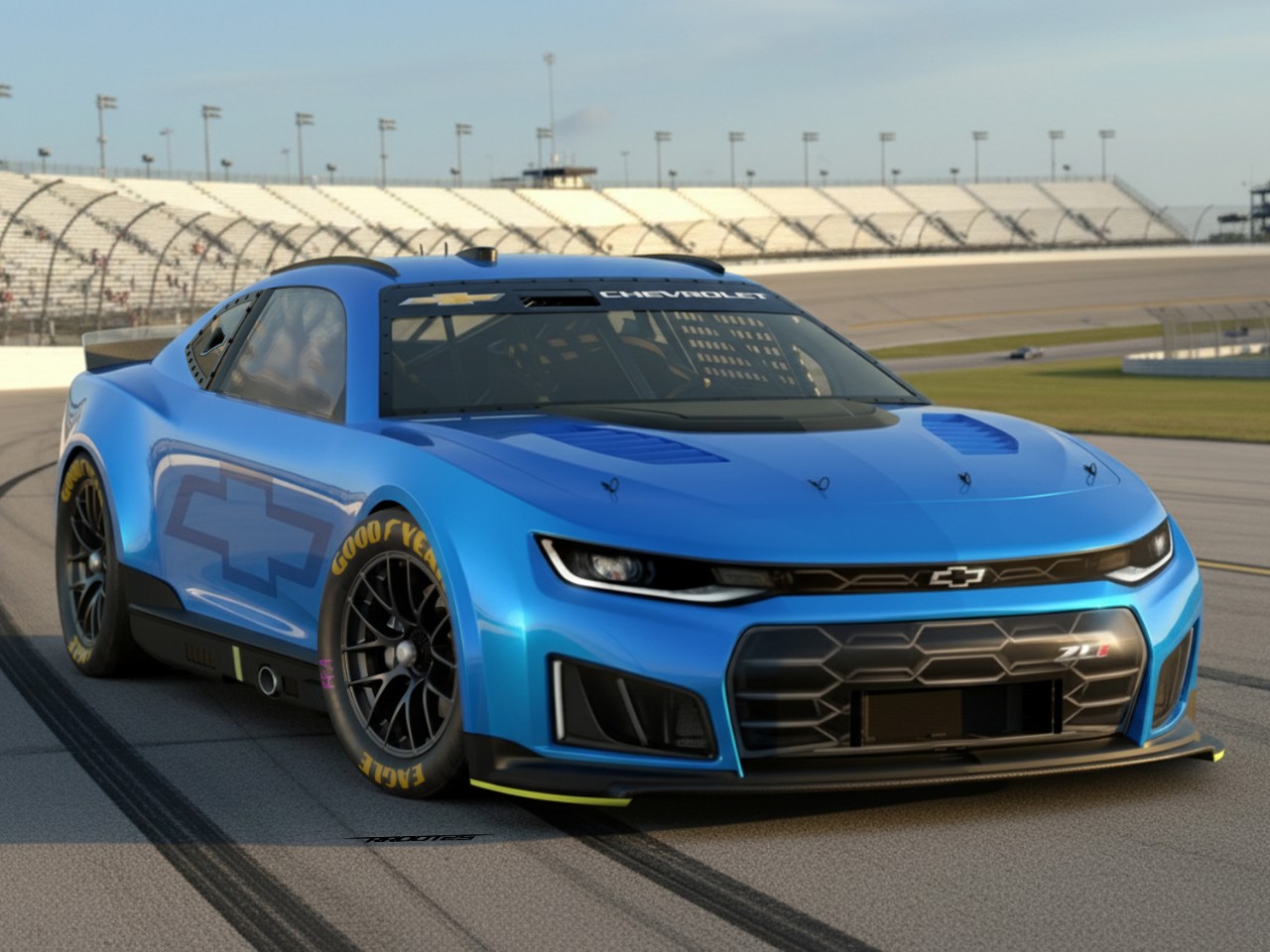
Chevrolet will hit the track for the 2026 NASCAR Cup Series season sporting an updated design of its Camaro ZL1 racecar, with its competition debut set to come in February at the Cook Out Clash at Bowman Gray.
The latest edition Camaro ZL1 racecar will feature upgraded styling that is aligned with Chevrolet’s recently released Camaro ZL1 Carbon Performance Package accessories kit for owners to optimize the performance capabilities of the sixth-generation Camaro ZL1 production car. Chevrolet collaborated with NASCAR and its teams on this update.
The most prominent racecar changes are a larger hood power dome, a revised front grille, and more pronounced rocker panels along the sides of the car. These mirror the new Carbon Performance Package’s carbon-fiber hood insert and rockers, plus ZL1 1LE-spec front grille and splitter.
Dating back to 1955, Chevrolet has competed with 14 different nameplates in the NASCAR Cup Series – recording 881 all-time victories, 34 Driver Championships, and 44 Manufacturer Championships, including the past five Manufacturer titles, to earn the title as the winningest manufacturer in the series’ history.
Drive Smarter with Lease Offers at Burien Chevrolet
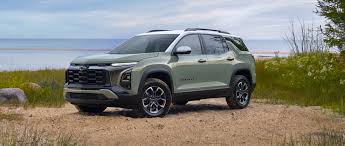

If you’re in the market for a new ride, now’s a great time to check out the lease deals at Burien Chevrolet. They’re offering some compelling lease specials—like the 2026 Chevrolet Equinox EV for $279/month + tax for 24 months. That kind of monthly payment gets you into a brand-new vehicle with less long-term commitment than buying. In this blog post, we’ll highlight the key lease offers and then walk through the major advantages of leasing versus buying so you can decide what’s right for your driving style and finances.
Highlighted Lease Offers at Burien Chevrolet
- The 2026 Equinox EV: As noted above, $279/month + tax for 24 months for qualified lessees.
- The 2026 Chevrolet Trailblazer RS: Starting at $421/month for 36 months with $5,000 down (10,000 miles/year assumption).
- The 2025 Chevrolet Traverse LT: $634/month for 48 months with $5,000 down (10k miles/year).
These offers give you a “window” into how leasing can reduce your monthly outlay compared to what you might pay to finance and own that same vehicle. (Of course, your actual payment will depend on credit, down payment, mileage allowance, and other terms.)
Why Lease Instead of Buy?
Leasing isn’t right for everyone, but it offers several advantages worth considering—especially if you value flexibility and newer vehicles.
1. Lower Monthly Payments
Because a lease covers the vehicle’s depreciation over the term (rather than the full purchase price), your monthly payment tends to be lower compared to buying. For example: when Burien Chevrolet lists $421/month for 36 months on the Trailblazer RS, that’s only part of the cost of the vehicle (with $5,000 down). If you bought the same car, you’d likely pay much more per month (or have a longer term) because you’d be financing the full purchase price.
2. Drive Newer Cars More Often
Leases typically last 2–4 years. At the end of that term, you can return the vehicle and lease or buy a new one. If you like driving the latest technology (safety features, infotainment, EVs, etc.), leasing gives you that ability without getting “stuck” with an older car. Just look at the Equinox EV lease—it’s a newer model (2026) and you only commit to 24 months.
3. Potentially Lower Repair Risk
Because you’re driving newer vehicles under warranty, major mechanical issues are less likely—and many maintenance costs may still be covered by the manufacturer or by the included warranty. If you lease through a dealer like Burien Chevy, you’re often looking at a vehicle that’s still in its “sweet spot” for reliability.
4. Flexibility at Lease End
At the end of the lease you typically have options:
- Return the car and walk away (assuming you’ve met all terms: mileage, wear/tear)
- Purchase the vehicle for the residual value
- Lease or purchase a new vehicle.
This flexibility can be a big plus if you’re unsure how long you want to keep a given vehicle.
5. Take Advantage of Strong Specials
Dealerships often offer lease-specials with incentives built in. As shown in the Equinox EV offer, there are manufacturer incentives and specific terms (10,000 miles/year, etc.) that make the deal more attractive. By shopping the specials at Burien Chevrolet, you might get more favorable terms than typical buying incentives.
Things to Watch & Consider Before Leasing
Leasing is not without caveats. Here are some important things to keep in mind:
- Mileage limits: Most leases (including those at Burien Chevrolet) assume a certain mileage per year (often 10,000 miles) and impose penalties for excess miles.
- Wear-and-tear charges: When you return the vehicle you’ll be responsible for “excessive” wear or damage.
- No ownership equity (unless you purchase): Leasing means you don’t automatically own the vehicle when the term ends—unless you choose the buy-out option.
- Termination/early exit fees: If you end a lease early it’s often costly.
- Customization restrictions: Leases often limit modifications to the vehicle.
- Residual value risk: Leasing depends on predicted residual value. If that estimation is off, your lease terms may be less favorable (though dealers typically absorb that risk ahead of time).
- Down payment and up-front costs: Even though monthly payments are lower, you may still have a down payment, upfront fees or deposit. For instance, the Trailblazer lease needs $5,000 down.
Is Leasing Right for You?
Here are some questions to help determine if leasing at Burien Chevrolet might be a good fit:
- Do you change vehicles every 2–4 years and like driving the newest model? Then leasing fits well.
- Do you drive moderate miles (e.g., under the mileage limit in the lease)? If you commute long distances or use the vehicle heavily, the mileage penalties may add up.
- Do you prefer lower monthly payments and don’t mind returning the vehicle rather than owning it long term?
- Are you comfortable with the idea that you’ll have another transaction (new lease or purchase) in a few years rather than just “owning” for a long time?
- Do you like reducing the risk of major repair costs (because newer vehicles under warranty reduce some of that risk)?
If you answered “yes” to most of the above, leasing at Burien Chevrolet might make strong financial and lifestyle sense.
If you’re considering leasing your next vehicle, the offers at Burien Chevrolet provide great opportunities. Stop by and talk to one of our knowledgeable staff today!
GM Energy builds momentum
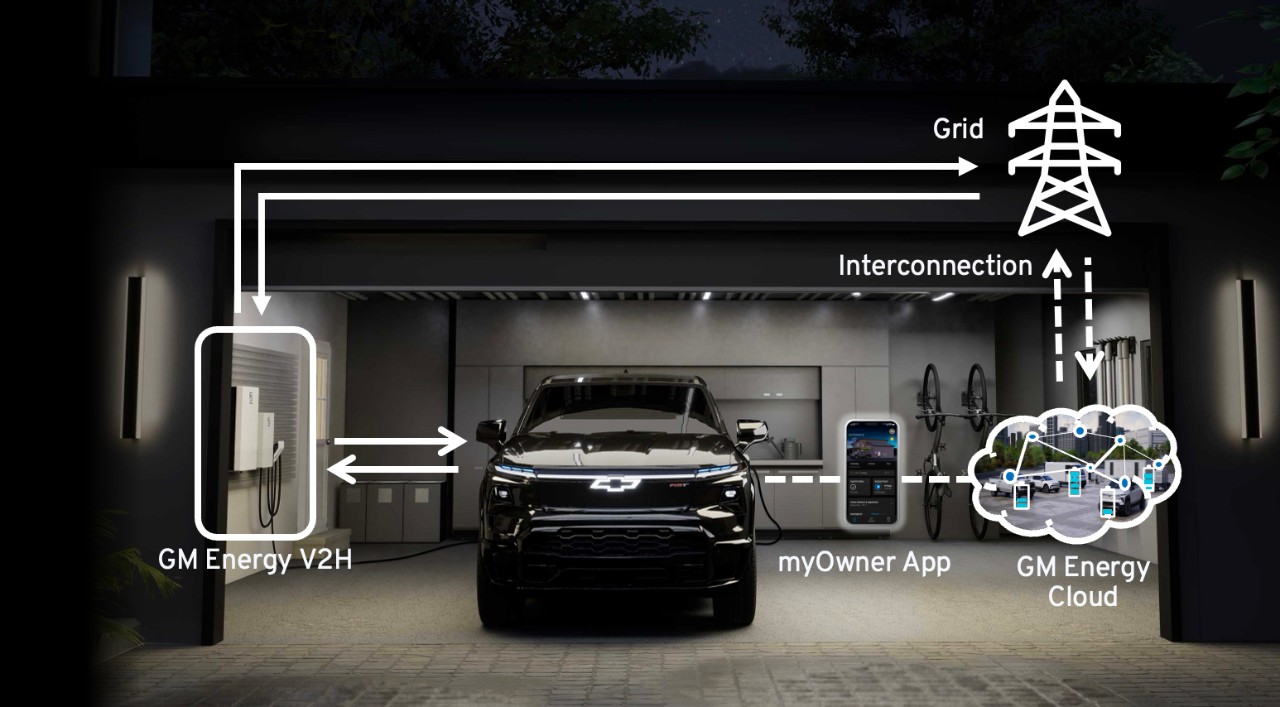
As part of the General Motors commitment to an all-electric future, we’re building an ecosystem to accelerate electric vehicle adoption. GM Energy was established to break down barriers to EV ownership by expanding access to reliable, convenient charging – both at home and in public – and empowering customers with greater control over their home energy use.
Over the past 18 months, GM Energy has made remarkable progress, strengthening industry partnerships and positioning GM as a leader in energy and electrification.
I’m incredibly proud of how our team has moved with urgency to drive results. Our focus on execution is paying off:
- 30% month-over-month revenue growth since January
- 5x increase in sales volume for charging and energy products since January
- Seven out 10 GM EVs are sold with a GM Energy product, including nearly 100,000 adapters sold to date
Energy solutions that put customers first
Exactly a year ago, we expanded access to our energy management products across all 50 states. Today, we have 10 innovative products, including:
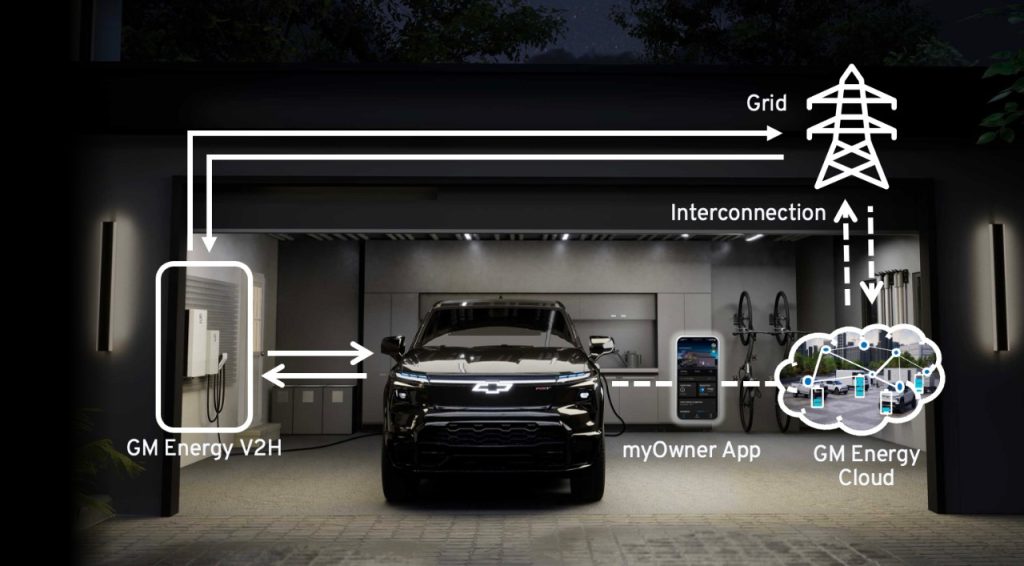
- Our vehicle-to-home (V2H) charging technology, also known as bi-directional charging, allows compatible GM EVs to provide power to properly equipped homes1 during a blackout.
- GM Energy PowerBank, a stationary home energy battery storage solution, extends backup power capability and stores energy from the grid or solar.
- Charging adapters provide a convenient way to connect GM vehicles to chargers, regardless of the vehicle’s port as we help the industry move toward a single charging standard.
Driving change across the industry
We’re working with key industry players to expand access to fast and reliable public charging. This includes investing in GM Energy-branded chargers with EVgo, Pilot, and ChargePoint, as well as investing in IONNA — a joint venture founded by GM and other automakers.
- GM EV owners have access to more than 250,000 chargers across North America
- We’re on track to deploy 35,000 GM Energy-invested public fast charging stalls by 2030
- GM-invested charging sites rank in the top 3 networks for key customer experience metrics (PlugScore)
We’re not only expanding the number of public chargers, but also improving the experience, with amenities like restrooms, food, and retail options. Many charging stations have awnings for protection from the weather and pass-through layouts for truck owners who charge while towing. We know our customers better than anyone – and we will continue advocating for their specific needs.
Powering GM’s future
Electric vehicles offer utilities an opportunity to enhance grid resilience and to manage demand through smart charging and collaboration. Bidirectional vehicle-to-home charging provides energy security during outages, while vehicle-to-grid technology will soon allow EVs to supply power back to the grid.
GM Energy is working with utilities nationwide to deliver innovative EV charging solutions – from free overnight charging in Texas to vehicle-to-home pilots in California that offer incentives and pave the way for vehicle-to-grid technology.
We’ve given GM a seat at the table for so many big decisions that impact our customers. We joined NEMA, the top organization for electrical standards across industries, and we’ve played a leading role in rallying others around the North American Charging Standard (NACS).
Internally, GM Energy is deeply integrated with product and brand teams to ensure we’re evolving alongside our EV customers. One major focus: supporting GM’s transition to the NACS, simplifying access and compatibility for future vehicles. The 2026 Cadillac OPTIQ and newly revealed 2027 Chevrolet Bolt are the first GM vehicles with a native NACS inlet.
As we continue to innovate and expand our energy solutions, our commitment remains clear: to make electric mobility accessible, reliable, and transformative for all. The journey is just beginning.
Pink Corvette Stingray pace car to highlight “Making Strides Against Breast Cancer” campaign
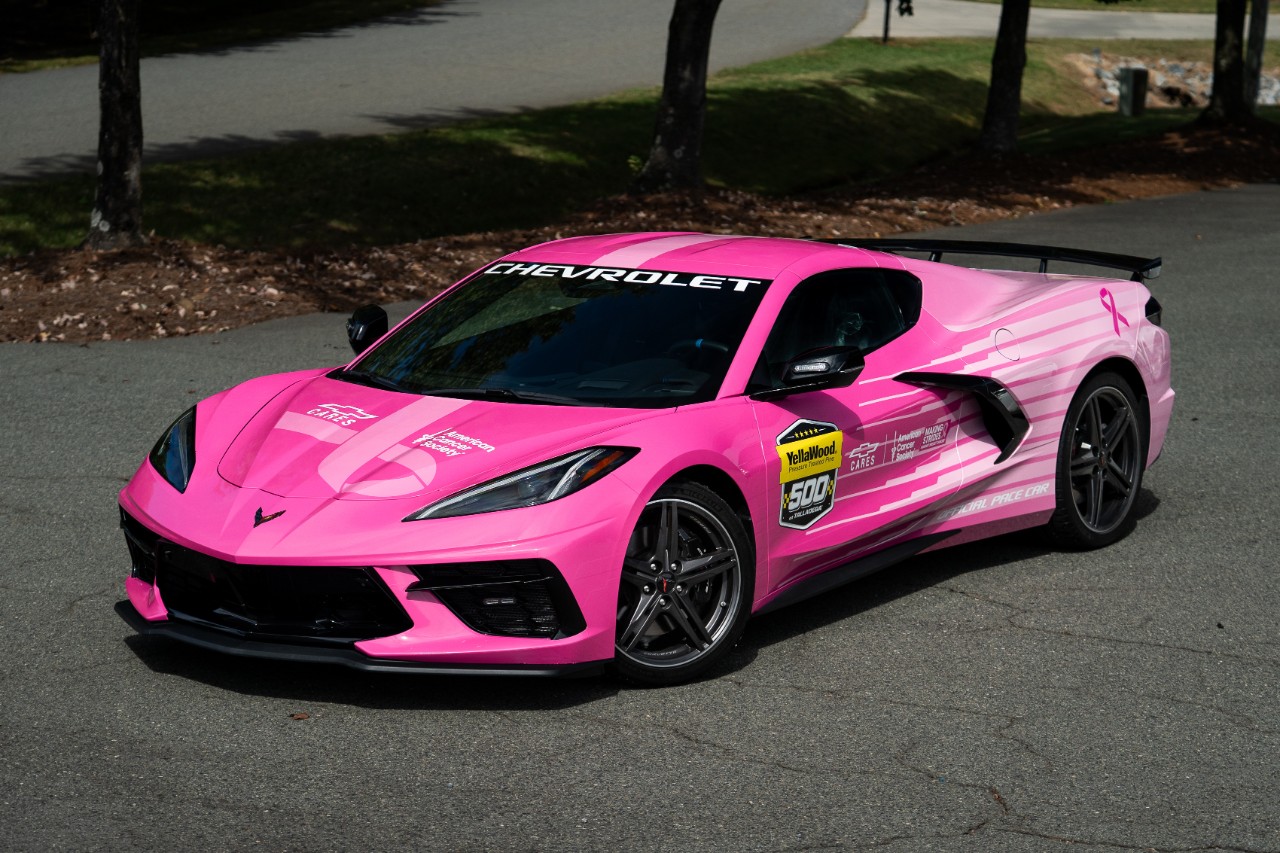
Chevrolet is showing its support in the continued fight against breast cancer with the return of a specially-themed pink Corvette Stingray that will serve as the official pace vehicle for the upcoming NASCAR Cup Series races at Talladega Superspeedway and Martinsville Speedway. This season, Chevrolet will celebrate 15 years of supporting the American Cancer Society and its “Making Strides Against Breast Cancer” initiative.
“Chevrolet stands with the American Cancer Society’s efforts to end breast cancer,” said Todd Christensen, Director, Motorsports Marketing & Activation, for Chevrolet. “When the pink Chevrolet Corvette Stingray pace car leads the NASCAR Cup Series field for the next two weeks, we hope fans will join us in raising funds for ACS by participating in ‘Making Strides Against Breast Cancer’ events across the US this October.”

The specially-themed pink pace car will once again help drive donations for the “Making Strides Against Breast Cancer” initiative with every caution lap it completes in the Talladega and Martinsville races for NASCAR’s premier series generating a donation of $500 (up to $25,000). A special addition has been added to this year’s campaign with Chevrolet pledging to donate an additional $1,500 (up to $25,000) for each Team Chevy driver that earns a top-10 finish in the two participating events.

In 2024, 54 total caution laps were completed among the two races – raising a $18,900 donation for the American Cancer Society. The pink Chevrolet Camaro SS pace car that participated in last year’s campaign is set to be auctioned off at the Barrett-Jackson Scottsdale Fall Auction Friday, October 17, with 100% of the hammer price benefitting the American Cancer Society.
The first of two races in this year’s campaign will take place at Talladega Superspeedway, with the pink Corvette Stingray making its on-track debut for the NASCAR Cup Series YellaWood 500 on Sunday, Oct. 19 – the penultimate race of the Round of Eight.
It’s back: Introducing the 2027 Chevrolet Bolt
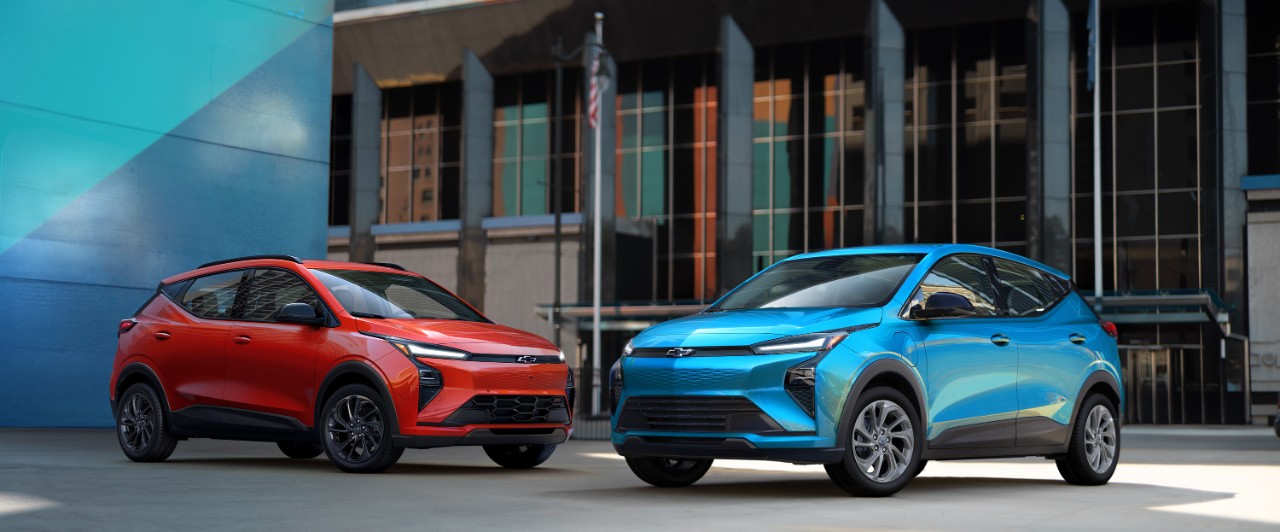
By popular demand, General Motors is bringing back the Chevrolet Bolt, building on the formula that made its predecessor one of the industry’s most popular electric vehicles.
With a starting launch model MSRP of $29,990 (including $1,395 DFC) for a 2027 Bolt LT, Chevy is delivering the affordable American EV that buyers want. Later in the model year, an even more affordable LT will be available with a starting MSRP of $28,995 (including $1,395 DFC).
Bolt will offer the most range in an EV under $30,000. It will begin shipping to customers early next year and will be a limited run model. Bolt joins the Chevrolet Equinox EV, currently one of the market’s best-selling EVs, solidifying Chevy’s position in the affordable EV segment. Together, Bolt and Equinox EV are expected to account for most of Chevrolet’s 2026 EV volume.

Rear view of the Bolt EV LT in Marina Blue
“The Chevrolet Bolt was the industry’s first affordable mass-market, long-range EV and it commanded one of GM’s most loyal customer bases thanks to its price, versatility and practicality,” said Scott Bell, vice president, Global Chevrolet.
“After production ended, we heard our customer’s feedback and their love for this product. So the Bolt is coming back—by popular demand and better than ever—for a limited time. This is a celebration of what Bolt means to our customers and to Chevrolet. It’s your chance to own a popular EV that’s affordable. So, if you’ve been waiting, this is the moment. Don’t miss it,” Bell said.
Ten things to love about the 2027 Bolt
- GM-estimated 255 miles of range
- Peak charging speed of 150 kW+, more than 2.5x faster than the previous Bolt EV. Charges 10% to 80% in 26 minutes with public DC fast charging
- First Chevrolet with native NACS charging port
- New, sporty RS trim
- Larger 11.3-inch-diagonal infotainment screen for navigation, playlists, and entertainment apps like Angry Birds, HBO Max, and more through Google built-in, plus a larger 11-inch-diagonal driver information screen
- Available Super Cruise driver assistance technology with more hands-free miles than ever before
- More than 20 standard safety and driver assistance features including Intersection Collision Mitigation, Rear Automatic Braking and Rear Cross Traffic Alert with Braking
- Refined new interior with open console and all-new passenger dash storage
- Multiple USB-C ports and available wireless phone charging
- Vehicle-to-Home (V2H) bi-directional capability
“The Chevy Bolt adds to our already successful EV portfolio,” Bell said. “With Equinox EV as America’s most affordable EV with more than 315 miles of EPA-estimated range, and Bolt offering the most range in an EV under $30,000, Chevy is leading the way on EV affordability without compromise.”
Motivated by efficiency

Front 3/4 view of Bolt RS in Habanero Orange
The 2027 Bolt may have a familiar shape, but underneath it’s sporting the latest GM EV technology. The X76 electric drive unit powering the 2027 Bolt was designed in-house at GM, and the Bolt benefits from the latest wave of continual improvements made by GM.
The X76 drive unit was designed from the ground up to maximize driving range and deliver improved efficiency in cost and energy usage. The permanent-magnet motor uses minimal rare-earth materials for improved costs. Segmented magnets reduce heat build-up and energy loss, and silicon carbide inverter materials minimize energy loss between the battery and drive unit.
The 2027 Bolt is the 10th GM EV model to use the X76 drive unit. Sharing this component across GM’s vast EV portfolio allowed us to pass the cost savings on to the customer. The 2027 Bolt features our most advanced X76 variant to date, benefiting from extensive and rigorous testing both in the real world and virtually.
The Bolt benefits from a blended regenerative braking system for even more efficiency. Whether or not the driver engages One-Pedal Driving mode, software in the Bolt prioritizes technology that returns braking energy back to the battery for improved range. The braking system has been optimized for consistent pedal feel during both regen and friction braking, a key improvement over the previous Bolt.
Tech titan

Interior with 11″ driver information center and 11.3″ center infotainment screen
The 2027 Bolt’s integrated infotainment system features Google built-in and the latest suite of entertainment apps, powered by OnStar Connectivity, to deliver capability, convenience, and fun for every journey.
With Google Maps embedded with vehicle systems, your drive route automatically includes information on battery range. On longer drives, Google Maps will give you smarter routes and charging recommendations, factoring in real-time charging station status and range estimates based on driving style. If DC fast charging is available along your route, automatic battery preconditioning gives your battery a warm-up for optimal charging performance.

Available Hands-free Super Cruise
Google Maps also syncs with Super Cruise driver assistance technology to show Super Cruise capable routes and indicate how many minutes of your trip can be driven hands-free. Enhancements to the Super Cruise-Google Maps integration ensure you’ve navigated to the correct lane at exit ramps or interchanges.
With “Hey Google” voice assistance, you can control cabin temperature, seat warmers, voice-to-text, hands-free phone calls and more, all without taking your hands off the steering wheel. You can even integrate smart-home devices, using voice commands to open your garage door as you’re arriving home.
When you’re parked or charging, the 2027 Bolt offers premium in-vehicle entertainment apps like Angry Birds, Chrome, GameSnacks, HBO Max, Tubi, Prime Video, and more, so you can stream, game, or browse the internet from your dashboard. And the list of apps available for download via Google Play keeps growing.
Charging ahead

Native NACS Charging Port
The 2027 Bolt is Chevrolet’s first vehicle to offer a native NACS charging port, increasing drivers’ opportunities to access to the ever-expanding public charging network. The 2027 Bolt can take advantage of DC public fast charging up to 150 kW, charging more than 2.5x faster than the previous Bolt. With DC public fast charging, drivers can now go from 10% to 80% battery charge in 26 minutes.
According to the U.S. Department of Energy, approximately 80% of U.S. EV drivers charge at home. With the average American driving roughly 42 miles per day, and a GM-estimated battery range of 255 miles, the 2027 Bolt is capable of handling the everyday needs of most EV drivers with ease.
The 2027 Bolt is also vehicle-to-home (V2H) bidirectionally capable, meaning that when paired with a GM Energy Home System, it could provide power to a properly equipped home during an outage.

Passenger side front interior view of the Bolt LT
“Fans love the space and practicality of the Bolt’s roomy hatchback layout,” said Phil Zak, executive design director, Global Chevrolet. “We took feedback directly from customers to make sure the 2027 Bolt delivers improved technology and expanded features without compromising space, usability or style.”
The new, driver-centric interior is anchored by an 11.3-inch-diagonal center-dash infotainment screen, plus an 11-inch-diagonal driver information center with user-configurable display.

Wireless charging pad with phone
The new column shifter allows for more space between the front seats, and an available panoramic sunroof provides natural light, accentuating the airy, spacious feeling. The dashboard has an intentional mix of physical and virtual controls, ensuring that the most frequently-used features – like climate control or audio volume – are immediately accessible.
Open storage spaces below the instrument panel and between the front seats provide easy grab-and-go access. Available heated steering wheel, heated and ventilated front seats, and wireless phone charging embody Bolt’s mission to provide a premium EV experience at an affordable MSRP.
Style for miles

Rear 3/4 view of the Bolt RS in Habanero Orange
New exterior styling gives a fresh take on Bolt’s iconic presence. Seven available exterior paint colors and 17-inch wheels available in three finishes allow Bolt customers to choose the best expression of their style.
For the first time, the 2027 Chevy Bolt is available in Chevy’s sporty RS trim, with unique grille badging, high-gloss black wheels and roof rails. Bolt RS is available in an exclusive color combination of Atomic Yellow exterior with red interior accent stitching.
Everything Bolt fans love, and so much more
From its introduction in model year 2017, Bolt was a game-changer – the first long-range, mass-produced EV available at a truly affordable MSRP. That car went on to deliver some of the highest customer satisfaction and loyalty scores in the auto industry, at any MSRP, and was a leader in drawing new customers to Chevrolet.
Today, Chevrolet is No. 2 in U.S. EV market share, with a wide lineup of affordable, technologically advanced EVs. Our loyal Bolt customers helped Chevy become a leader in EVs. When Bolt returns for the 2027 model year, it will deliver everything customers asked for, and everything they already loved about this genre-defining vehicle.
The 2027 Chevy Bolt will be assembled with domestically and globally sourced parts at GM’s Fairfax Assembly plant in Kansas City, Kansas, and will be available at Chevrolet dealers in the first quarter of 2026.
Why Go Electric in the Seattle Area
The Puget Sound area is a great place to own an EV: more charging stations, local incentives, and rising gas, and parking costs make EVs more attractive. Washington State and some cities offer perks like reduced registration fees, possible utility or tax rebates.
If you’re looking for a new or used EV, Burien Chevrolets may have the deal and vehicle that’s perfect for you.
Top EV Deals at Burien Chevrolet
Here are several current EV-oriented deals that stand out. Always check with the dealer for availability and exact terms.
| Model | Key Deal Highlights | What Makes It Strong for Seattle Buyers |
|---|---|---|
| 2025 Equinox EV LT | Internet price $39,795 (MSRP ~$43,295) after discounts. Includes “Customer Cash” and dealer discount. 0% APR financing for 60 months for well-qualified buyers. | The range (EPA) is decent for regional commuting; Seattle to Everett, Tacoma, or even cross-sound trips become easier. Financial incentives + zero emission credits help offset higher cost of EV charging at home or on public chargers. |
| 2025 Equinox EV RS | Savings of $6,000 off MSRP (~$57,340) → Internet price ~$51,340. | For people who want more features (AWD, higher trims), this offers a way into a well-equipped EV without paying full sticker. Useful for places with hills, rain, etc.—AWD can help. |
| 2024 Equinox EV RS | ~$3,990 savings, with final price ~ $44,000. | This is a value play. If you don’t need brand-new, you get almost new plus incentives. Good if you want more features but want to keep payments down. |
| 2024 Blazer EV RS | Marked down from MSRP ~$56,170 to $52,000, ~$4,170 in savings. | The Blazer EV is more SUV-like; good if you need more space, or ride height, or want a more commanding view. Great for Seattleites with weekend trips, needing cargo, or carrying gear. |
| 2026 Blazer EV SS | Recent drop of ~$1,000: $1,000 customer cash + other private offers. $63,485 internet price. Offers like low APR (1.9% for 36 months) and payment deferral are sometimes stacked in. | Good future-proof pick. Strong range, more features. If you can wait a bit for delivery, and want premium EV features, might be worth stretching. |
| Silverado EV Trail Boss / Extended Range | ~$1,000 off, plus other local incentives. ~$76,000 internet price. | Titling, insurance, utility costs will be higher, but if you do a lot of hauling, have towing needs, or want a large EV truck (for region’s terrain or lifestyle), this is one of the few EV trucks available. |
What to Check / Ask For When Shopping Around Seattle
Because the Seattle area has unique considerations and incentives, here are some tips to get the best deal:
- Range vs Weather and Terrain
- Consider the typical commute / how often you cross the mountain passes or go on long drives. EVs lose more range in cold/damp weather than ICE cars lose miles for similar fuel.
- An AWD EV may matter more here than in drier, flatter regions.
- Charging Infrastructure
- If you live in the city: Do you have off-street parking to install a home charger or access to Level 2 charging?
- If you commute or road trip: What’s the fast charger network like along I-5, over the passes, around the Sound?
- Dealer Discounts + Private Offers
- Things like Costco member incentives, private offers, “customer cash” are often stackable. Ask the dealer how they combine them. Burien seems to use such strategies.
- Also watch for special financing deals (0% APR, low APR) or payment deferral options. These can lower monthly cost even if a car looks more expensive upfront.
- Total Cost of Ownership (TCO)
- Maintenance: EVs tend to need less in terms of oil changes, belts, etc., but battery replacement or cooling/heating in cold weather add considerations.
- Charging costs: your utility rate, public charger fees, etc.
- Resale: EV resale values depend a lot on battery condition, mileage, how quickly tech advances.
Best Picks by Buyer Profile
Here are suggestions for what type of EV deal might be best depending on what you care about:
- Urban commuter / daily drive: The 2025 Equinox EV LT is probably the best combo of price, comfort, and range.
- Feature-rich AWD / hill / all-weather use: Go for Equinox EV RS or a Blazer EV RS/SS. The AWD and higher trim may cost more but give better performance in Puget Sound’s terrain.
- SUV / space + gear: The Blazer EV or even Silverado EVs are better if you often haul bikes, gear, or passengers.
- Budget-conscious but want EV: A 2024 model with savings + incentives (like the Equinox EV RS 2024) can deliver much of the benefits but at a lower cost.
GM August EV sales jump to monthly record
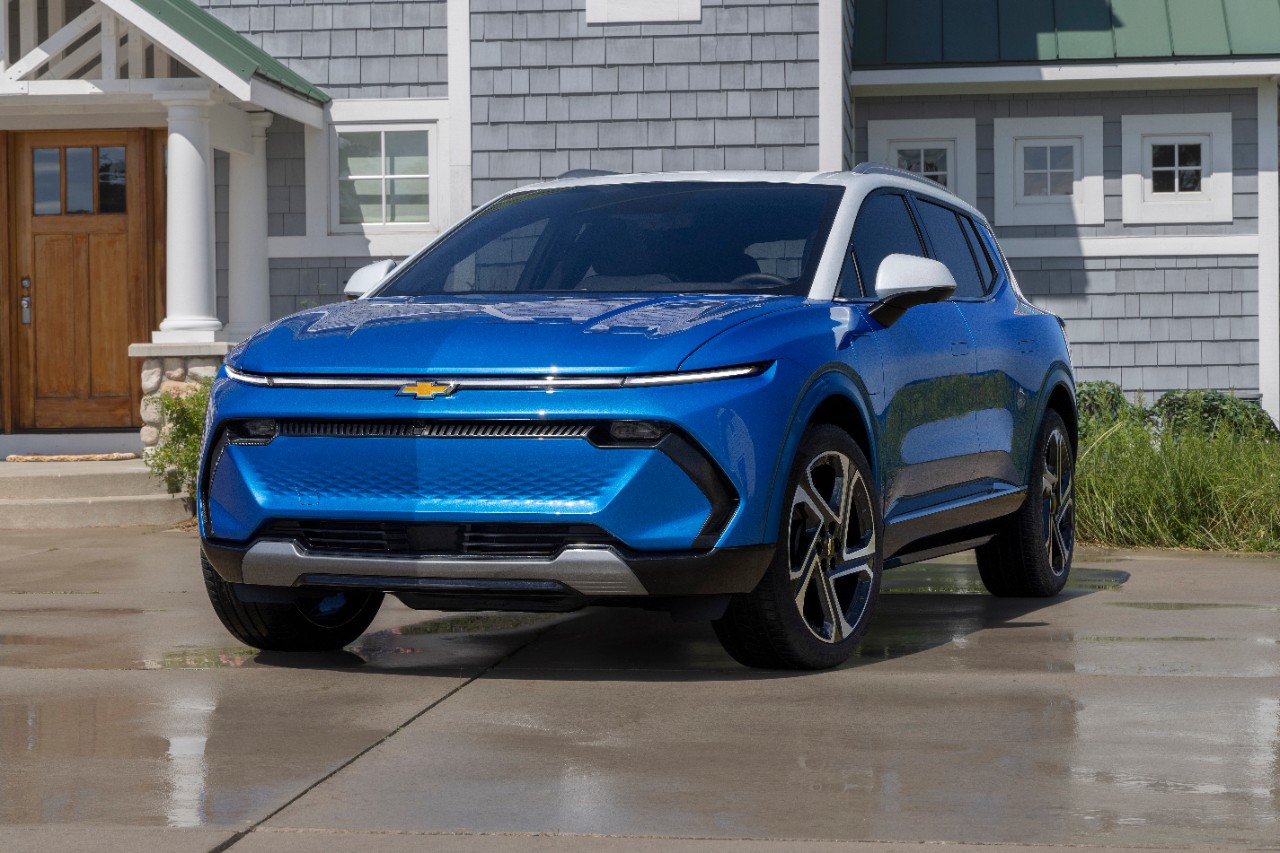
U.S. electric vehicle sales likely set an all-time monthly record in August, as customers rushed to make purchases ahead of the expiration of Federal EV tax credits. For General Motors, that meant sales of more than 21,000 EVs combined from Chevrolet, Cadillac, and GMC. GM remains the #2 EV seller, driven by strong demand for vehicles like the Chevrolet Equinox EV, the Cadillac LYRIQ, and the GMC Sierra EV.
August was our best month ever for EV sales – and we expect that buying surge to pay long-term dividends, given our industry-leading manufacturer loyalty, and EV customers’ overwhelming commitment to the technology. I’m grateful to our team and our dealers for helping us outperform nearly every EV competitor.
We’re expecting strong demand once again in September. The question, of course, is what’s next? There’s no doubt we’ll see lower EV sales next quarter after tax credits end September 30, and it may take several months for the market to normalize. We will almost certainly see a smaller EV market for a while, and we won’t overproduce. Still, we believe GM can continue to grow EV market share.
Our confidence in the future of our EV business starts with our portfolio. Before there was an IRA, the strongest segments were affordable EVs and luxury, and we have those bases covered with our stunning Cadillacs, the Chevrolet Equinox EV, and soon, the new Chevrolet Bolt. And the style, performance, and industry-leading range of our Chevrolet, GMC and GMC HUMMER pickups and SUVs is unmatched.
Meanwhile, we are seeing marginal competitors dramatically scale back their products and plans, which should end much of the overproduction and irrational discounts we’ve seen in the marketplace.
Finally, road trips are getting easier by the day as GM Energy, EVGo, IONNA and others expand the public fast charging network, which will help drive long-term adoption. By the end of the year, our customers will have access to more than 65,000 public fast-charging bays across the country. We expect that will grow to more than 80,000 by the end of next year and 100,000 by the end of 2027 – a more than 50% improvement in just three years.
As we adjust to the new EV market realities, the strength of our ICE portfolio will continue to separate our brands from the pack and give us flexibility and profitability that EV-only companies lack. You’ll see that when we report our full third-quarter sales results on October 1. We have considerable momentum, and I’m very comfortable saying today that our third quarter sales have us on track to deliver another year of leadership in full-size pickups and full-size SUVs, and strong growth in other SUV segments. I look forward to sharing that news.
Connect with us


Recent Blog Entries
- “See the USA in Your Chevrolet” and Other Heritage Campaigns to Celebrate America 250
- GM leads the charge in vehicle-to-home EVs: inside the home energy ecosystem
- Corvette has strength in numbers at Le Mans
- Charge Into the Future — 36 Electric Vehicles In Stock at Burien Chevrolet!
- 1-of-1 2026 Corvette ZR1X raises $2.6 million for America’s heroes