




Blog

All Burien Chevrolet Dealer Community New Chevrolet Vehicles Maintenance Burien Chevrolet Service Safety Burien Used Cars General Motors Costco Promotion Private Offers
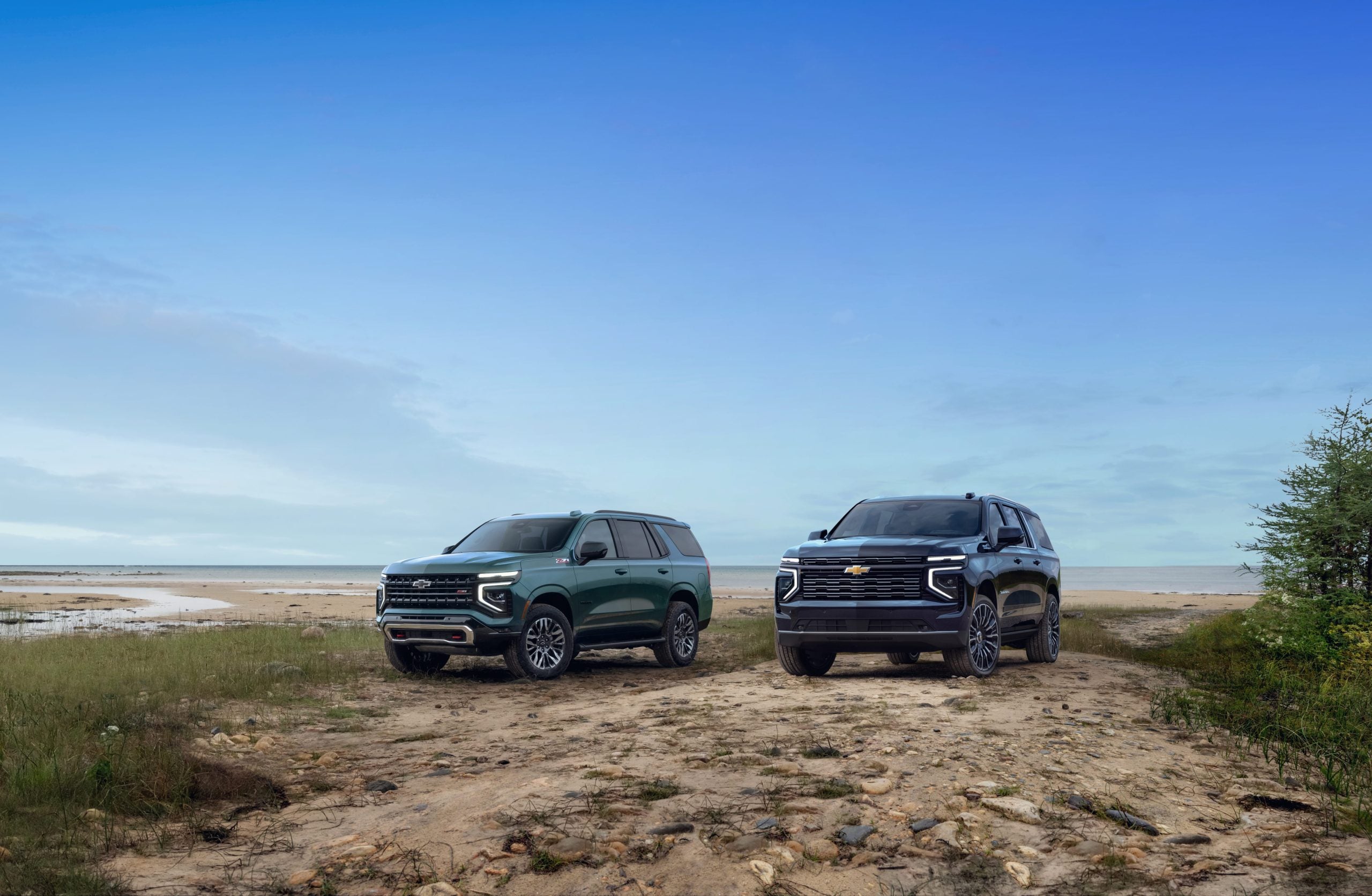
2025 Chevrolet Tahoe Z71 and Suburban High Country

The Best Get Better: Meet Chevrolet's New 2025 Tahoe and Suburban

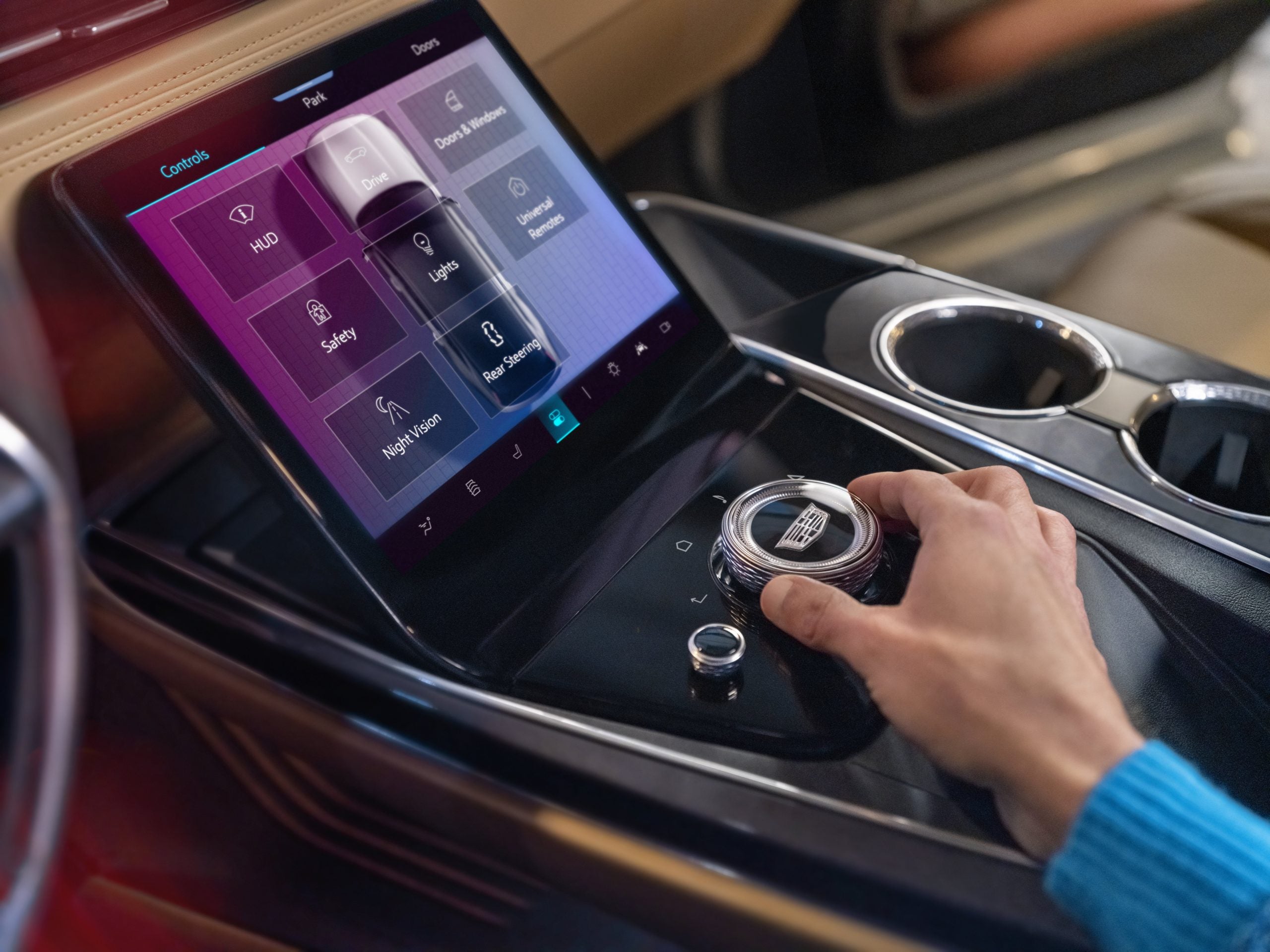
Industry’s best-selling full-size SUVs bring improvements on design, engineering and technology Front 3/4 view of the 2025 Tahoe RST in a city setting Fresh exterior and interior designs, including new signature lighting and a larger best-in-class 17.7-inch-diagonal infotainment screen More powerful diesel engine, which was previously introduced on Silverado New confidence-inspiring trailering technology and ride-and-handling refinements Technology enhancements designed to offer more confidence and security, including a fully integrated network of cameras 3 that allow customers to remotely view the interior and exterior of their vehicle with select OnStar plans Chevrolet Tahoe and Suburban — the industry’s best-selling large SUVs — launch late next year with fresh designs inside and out, a more powerful diesel engine option available later in production and new technology enhancements designed to provide greater confidence and security behind the wheel. “The updates on the 2025 Chevy Tahoe and Suburban make the industry’s best-selling full-size SUVs an ever-stronger option for our customers,” said Scott Bell, vice president, Chevrolet. “Our segment-leading position is the envy of our competitors — no one comes close to Chevrolet.” Together Tahoe and Suburban have led the segment for over 45 years and established themselves as cultural icons. Chevrolet’s full-size SUVs are truly designed and engineered for its customers. The new 2025 Tahoe and Suburban are no exception; key highlights and features include: Freshened exterior design with bolder signature lighting and all-new lighting animations, new available 24-inch wheels and more New interior design centered on an all-new best-in-segment 17.7-inch-diagonal central touchscreen, along with an enhanced High Country interior and additional refinements across the lineup New, available second-generation 3.0L turbo-diesel Duramax engine with 10 percent more horsepower than current models, which will be available later in production Ride and handling enhancements engineered for greater driving refinement Enhanced safety and technology includes Connected Cameras, a fully integrated network of cameras that allow customers to remotely view the interior and exterior of their vehicle, in addition to recording events like crash and theft. Some features may require an OnStar plan More curb appeal The 2025 Tahoe and Suburban feature a new look, framed by a fresh front-end design that’s distinguished with new, bolder lighting. All six trims — LS, LT, RST, Z71, Premier and High Country — receive a new front fascia, with select trims offering unique design cues. The Z71 — one of the nameplates’ fastest-selling trims — incorporates skid plates and a high-approach front fascia, while the High Country leans in on a sport-luxury theme, with a sophisticated balance of black and Galvano chrome trim. “The new faces of Tahoe and Suburban are more expressive, borrowing inspiration from the recently refreshed Chevrolet truck lineup,” said Phil Zak, executive design director, Global Chevrolet. “They remain as versatile as ever, but with a greater emphasis on the details that have driven these large SUVs to the top of their segment.” Additional refinements contribute to a stronger, more planted stance that appears more confident, while new 24-inch wheel designs, available for the first time on RST and High Country, further contribute to the Tahoe and Suburban’s fresh style. New front and rear lighting also elevate the SUVs’ sophisticated design, with innovative technology delivered in a more refined package. Highlights include: More integrated appearance of the daytime running lights (DRLs), with a thinner yet more prominent look of the top DRL, thanks to an angled prism within the lighting signature that creates bold illumination in a sleek housing The more prominent lighting signature gives the vehicles a greater sense of personality, with the Premier and High Country trims further distinguished with standard welcome and walk-away lighting animations as well as animated swipe turn signals Dual C-shaped light designs maintain the family appearance seen in other Chevrolet vehicles Along with their new look and lighting, the 2025 Tahoe and Suburban also introduce two new exterior colors: Cypress Gray and Lakeshore Blue Metallic. Revamped, tech-focused interior The new Tahoe and Suburban feel airier and more spacious, with a revamped interior that emulates the technology focus of other recently introduced Chevrolet models. Sweeping lines and lowering the instrument panel increase the perceived space for driver and front row passenger. Display screens are the centerpiece of the cabin, starting with an all-new standard 17.7-inch-diagonal freeform infotainment screen paired with the 11-inch-diagonal driver information center. The screen is canted slightly toward the driver for a more commanding feeling of control, while still prioritizing easy access for the front-seat passenger. Designed to be intuitive without sacrificing a clean, sleek design, the team struck the careful balance of physical and digital controls in the cockpit. Additional interior highlights include: Redesigned center console with new storage options and a repositioned, more convenient wireless charging pad New steering wheel design Unique interior with Victory Red stitching on RST and all-new Jet Black/Sky Cool Gray interior on Premier More sophisticated décor across the lineup, including Piano Black and Galvano chrome, as well as more soft-touch and wrapped materials on select trims Upgraded and more refined High Country interior, with authentic wood décor — a first for Tahoe and Suburban — along with wingtip perforated leather seating surfaces, a unique steering wheel, “High Country” identification and a unique Jet Black/Mocha color combination More powerful diesel engine Also new is the refined, second-generation 3.0L inline-six turbo-diesel Duramax 2, which offers more power for greater confidence on the road — particularly when trailering. It is paired with a 10-speed automatic transmission and is offered on all retail trims, including Z71 for the first time. Launched previously on the Silverado 1500, the new diesel engine is rated at 305 horsepower and 495 lb-ft of peak torque, increases of 10 percent and 7.6 percent, respectively, over the current diesel engine’s 277 horsepower and 460 lb-ft of torque. A retuned turbo compressor, along with new, higher-flow fuel injectors, revised piston-cooling oil jets, new steel pistons and improved temperature control features with the cooling system’s Active Thermal Management contribute to the engine’s enhanced power, while new sound absorption materials and a tuned air induction system help balance its performance with quietness and improved refinement. A 5.3L gas V-8 remains the standard engine for LS, LT, RST, Z71 and Premier. The 6.2L V-8 is standard on High Country and available on RST, Z71 and Premier. The new diesel engine will be available in 2025 after initial launch. Ride-and-handling refinements The multilink independent rear suspension design introduced on the current Tahoe and Suburban has been updated to provide more refined ride-and-handling dynamics. Additional steering calibration improvements offer a confident drive experience across conditions. “The already excellent ride-and-handling characteristics enabled by the independent rear suspension are taken to the next level with the 2025 Tahoe and Suburban,” said Martin Hayes, chief engineer. “Their responsiveness makes them feel much nimbler than their full-size dimensions suggest.” Additionally, Air Ride Adaptive Suspension and Magnetic Ride Control return as available features. The Air Ride Adaptive Suspension is available on High Country and Z71, along with RST for the first time. It offers automatic load-leveling and ride-height adjustment. In highway driving, it automatically lowers the ride height to help reduce aerodynamic drag, which can help enhance efficiency. Driver-selectable heights can reduce entry/exit heights when the vehicle is parked and the driver can also raise the body for additional ground clearance when driving off-road. With Magnetic Ride Control, which is standard on Premier and High Country and available on RST and Z71, sensors continually “read” the road 1,000 times a second to alter the damping rate of the shocks almost instantly. It is one of the fastest-reacting damping systems in the industry and helps reduce pitch, body roll and vibrations that can resonate in a large SUV. Tow with confidence Towing is important for Tahoe and Suburban customers. Whether it’s a driver’s first time towing or they are a seasoned driver who tows frequently, Chevrolet’s suite of trailering technology upgrades boost confidence behind the wheel. Tahoe and Suburban will continue to include the trailering technologies customers know and love. A Max Trailering packageis available and on select trims includes a high-capacity radiator and cooling fan, an integrated trailer brake controller, Hitch Views, Hill Decent Control, Blind Zone Steering Assist with Trailering, and the Chevrolet Trailering App. Tahoe and Suburban will also introduce the following new and enhanced features: Trailer Tire Health, which helps prevent trailer tire blowouts with a trailer tire life monitor and over-speed warning Mobile Trailering App Load Rating Info, which offers anytime/anywhere access to the vehicle’s load rating Forward Path Indication, which helps drivers navigate with their trailer with guidelines on the Surround View to indicate the width of the trailer and the trailer’s path. When the turn signal is activated, guidelines will show the driver the estimated turning path for both the vehicle and trailer Boat Ramp Assist, which helps customers access a checklist and step-by-step instructions to prepare for towing, launching, and retrieving a boat, is newly available within the trailering app Trailer Navigation, which calculates routes based on trailer size using built-in Google Maps The 2025 Tahoe continues to offer max towing range of 8,400 lbs 6 and Suburban offers 8,200 lbs. Enhanced safety and technology When it comes to safety and driver awareness technology, the 2025 Tahoe and Suburban are expected to offer more than ever — including a new sensor that can detect certain types of motion in the vehicle, which can help identify if a passenger has been left in rear passenger areas of the vehicle. “We want to help families by introducing a feature that may help them remember their precious cargo in the back seats,” explains Tricia Morrow, head of Global Safety Technology Strategy at GM. “This feature is a testament to GM’s commitment to developing innovative safety technology.” Interior Motion Detection is new to GM and may detect certain types of micro-movements in the cabin. If movement is detected in the vehicle after it is in park and turned off, it can progressively escalate alerts to help raise awareness. Connected Cameras, a newly available feature, comprises a fully integrated network of cameras that allow customers to remotely view the interior and exterior of their vehicle, including 360 degree views of the exterior. Key benefits include automatic Crash Recording; Security Recording; Live View; My Recordings (dash cam functionality); industry-first cloud storage and more. Camera views and recordings are accessible via the myChevrolet mobile app. Some features require an appropriate OnStar plan. Tahoe and Suburban will continue to offer standard Chevy Safety Assist — a suite of safety features and driver assistance technologies that include: Enhanced Automatic Emergency Braking, Forward Collision Alert, Lane Keep Assist with Lane Departure Warning, Front Pedestrian and Bicyclist Braking, and IntelliBeam. Additional standard safety features include Enhanced Automatic Parking Assist, HD Surround Vision, Teen Driver and Buckle to Drive. Additional safety and driver convenience technology highlights include: Super Cruise: The industry’s first true hands-free driving driver assistance technology will be available in 2025 after initial launch. Super Cruise is available on more than 400,000 miles of roads in the U.S. and Canada. AutoSense Power Liftgate: This feature makes loading a Tahoe or Suburban easier when the user’s arms are full by automatically opening the liftgate when it senses the key fob behind the vehicle. The 2025 Tahoe and Suburban are connected by OnStar to elevate the in-vehicle experience with a variety of available safety, entertainment and convenience features, including Super Cruise functionality, 24/7 access to live OnStar advisors, on-demand vehicle diagnostics, HD streaming, and more. Built exclusively by GM’s Arlington Assembly Team Production will take place at GM’s Arlington Assembly plant, in Texas— a facility celebrating 70 years of production in 2024. Announced earlier this year, GM is investing more than $500 million in the Texas facility to strengthen its industry-leading full-size SUV business. Through this more than half-a-billion-dollar investment, Arlington Assembly will receive new tooling and equipment in its stamping, body shop and general assembly areas. GM has announced nearly $2 billion in investments for Arlington Assembly since 2013. The all-new 2025 Chevrolet Tahoe and Suburban go on sale late next year. Additional details, including pricing, will be announced closer to the start of production. More information is available at www.chevrolet.com.
2023-Chevy-Nascar-Tri-Series-Champs

Chevrolet Caps Off Title Sweep with 42nd NASCAR Cup Series Manufacturer Championship

Chevrolet’s fifth title sweep across NASCAR national ranks Chevrolet clinched the 2023 NASCAR Cup Series Manufacturer Championship at the drop of the green flag in the Round of Eight elimination race at Martinsville Speedway in October. This marks the third consecutive year, and 42nd time overall, that Chevrolet has won the prestigious title in NASCAR’s premier series. Chevrolet won its first manufacturer championship in the NASCAR Cup Series in 1958, later recording a streak of 13 consecutive titles between 2003 – 2015. In addition to its 42 NASCAR Cup Series manufacturer championships, Chevrolet has also amassed 851 victories and 33 driver championships in NASCAR’s premier series – continuing Chevrolet’s legacy as the winningest manufacturer in NASCAR. The accolade caps off a title sweep for Chevrolet across the NASCAR national ranks, with the manufacturer already clinching its 11th NASCAR Craftsman Truck Series Manufacturer Championship and 25th Bill France Performance Cup in the NASCAR Xfinity Series at Homestead-Miami Speedway. This marks Chevrolet’s fifth time sweeping the manufacturer championship titles across all three NASCAR national series – also accomplishing the feat in 2012, 2005, 1998 and 1996. “Chevrolet is honored to win the 2023 NASCAR Cup Series Manufacturer Championship for the third consecutive year and the 42nd time overall,” said Jim Campbell, GM’s U.S. vice president of Performance and Motorsports. “This title is the result of great teamwork by the Chevrolet drivers, crew chiefs and teams working tirelessly throughout the season.” The 2023 NASCAR Cup Series season began with four consecutive trips to victory lane for the Camaro ZL1, marking the first time since 2001 that a manufacturer swept the first four races in a single season in the series. To date, seven drivers from five different Chevrolet teams have earned a combined 18 wins in 35 races including William Byron (six wins; series-leading); Kyle Larson (four wins); Kyle Busch (three wins); Ross Chastain (two wins); and Ricky Stenhouse Jr., AJ Allmendinger and Shane van Gisbergen (one win each). Corey LaJoie, Austin Dillon, Chase Elliott, and Erik Jones also contributed to the points total that led to the championship title. “Winning the Manufacturer Championship in the NASCAR Cup Series is a remarkable achievement,” said Megan Brobeck, GM Racing program manager for the NASCAR Cup Series. “We are very proud of the dedication and cooperation among Chevrolet’s teams and engineers, and their efforts all season long paid off with this special honor. Congratulations to all who contributed to the championship for this much-deserved accomplishment.”

cranberries-4658414_1280

Green Bean Casserole: Most Popular Thanksgiving Side Dish in Washington

Thanksgiving is a time for friends, family, and, of course, food! And one dish Washingtonians look forward to most? Green bean casserole! USA Today recently reported on the most looked up recipes for Thanksgiving side-dishes and green bean casserole takes the top spot in Washington State. These results seem slightly ironic since the traditional green bean casserole only requires 4 common pantry items thrown together and baked for a while, but no one can argue that it is definitely a comfort food. Is green bean casserole on the table at your Thanksgiving dinner? Take your casserole up a notch by making it from SCRATCH...no canned cream of mushroom soup or green beans. Not only will it be healthier, this Creamy Green Bean Casserole recipe will appease the most refined tastes...and even includes homemade "fried" onions.

Niron Magnetics Investment Announcement

GM Ventures and Niron Magnetics Pursue Affordable, Sustainable EV Motor Magnets

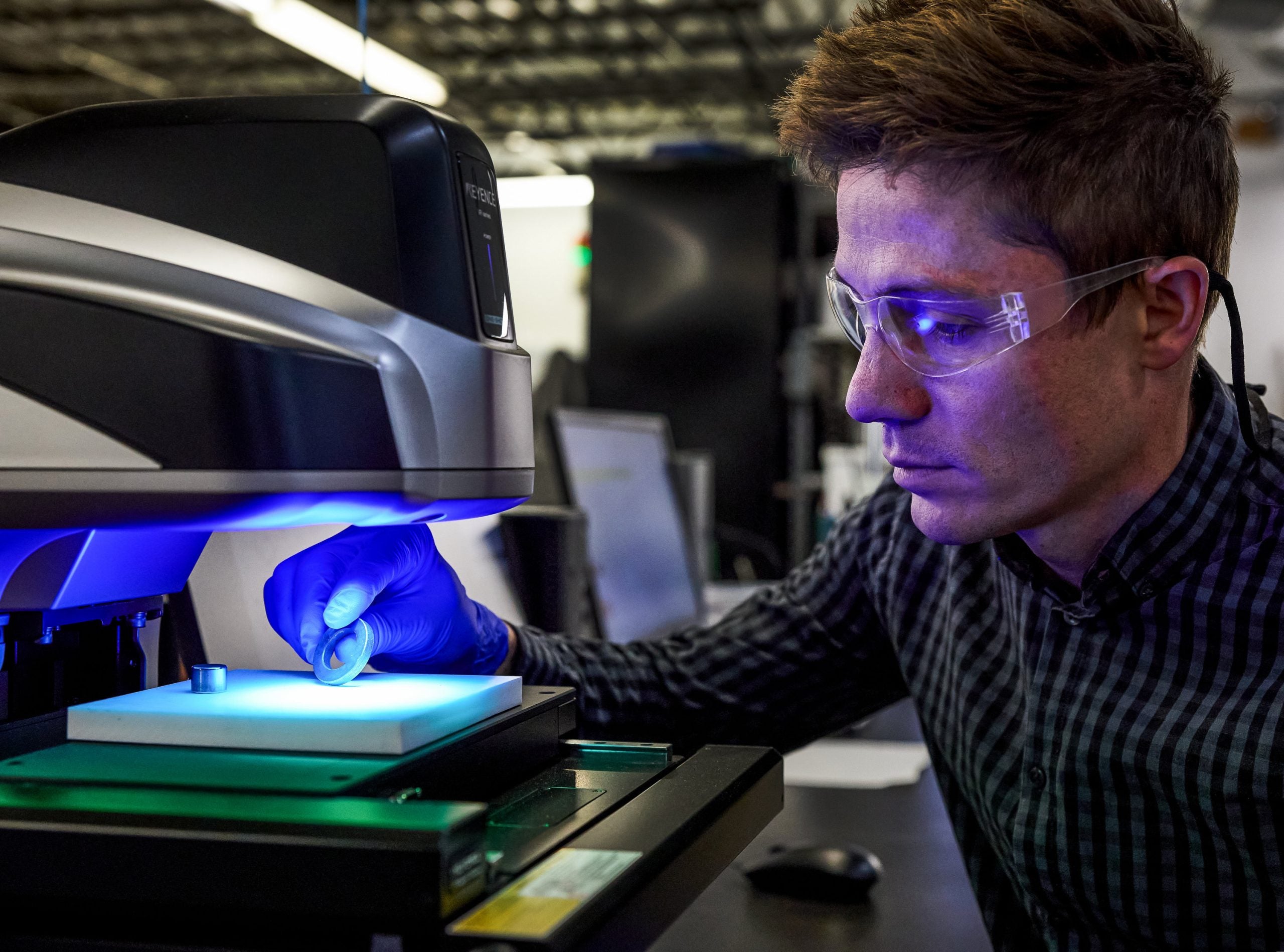
Latest collaboration builds on GM’s goal to establish a more secure, sustainable, North American-focused EV supply chain GM is deeply committed to an all-electric future, and to make that future a reality, we’re focused on developing a broad portfolio of affordable and sustainable electric vehicles. EV motors are a key element of our Ultium Platform — their magnets present a great opportunity to reduce cost and environmental impact compared to traditional magnet materials, while localizing our EV supply chain in North America. The permanent magnets in EV motor rotors are typically made from rare earth minerals like terbium, dysprosium, praseodymium and neodymium, which are expensive and currently processed almost entirely overseas. Niron Magnetics of Minneapolis has developed the world’s first and only permanent magnet with automotive-grade power that is entirely free from critical materials, including rare or heavy rare earth minerals. Niron’s proprietary Clean Earth Magnet ® technology is based on iron nitride, an abundant and affordable material with great potential for commercial use in future EVs. “We believe Niron’s unique technology can play a key role in reducing rare earth minerals from EV motors and help us further scale our North American-based supply chain for EVs,” said Anirvan Coomer, president of GM Ventures. “Our path to an all-electric future will be enabled not only by our own research and development efforts, but also by investing in next generation technology from startups and established companies outside our four walls.” GM and Niron have completed a strategic partnership agreement to co-develop Clean Earth Magnet motor technology that can be used in future GM EVs. GM Ventures has also made an investment in Niron, which will join the ranks of its 30-plus portfolio companies. The investment will support the scaling of Niron’s manufacturing and commercialization of their sustainable magnets. “GM invented rare earth permanent magnets nearly 40 years ago, and now we’re working together to bring the next generation of automotive magnet technology to market,” said Jonathan Rowntree, CEO of Niron Magnetics. “We think that our Clean Earth Magnets can help GM in its goal to put everyone in an EV.”

Blazer EV 2024 MotorTrend SUV of the Year

Chevrolet Blazer EV is MotorTrend's 2024 SUV of the Year

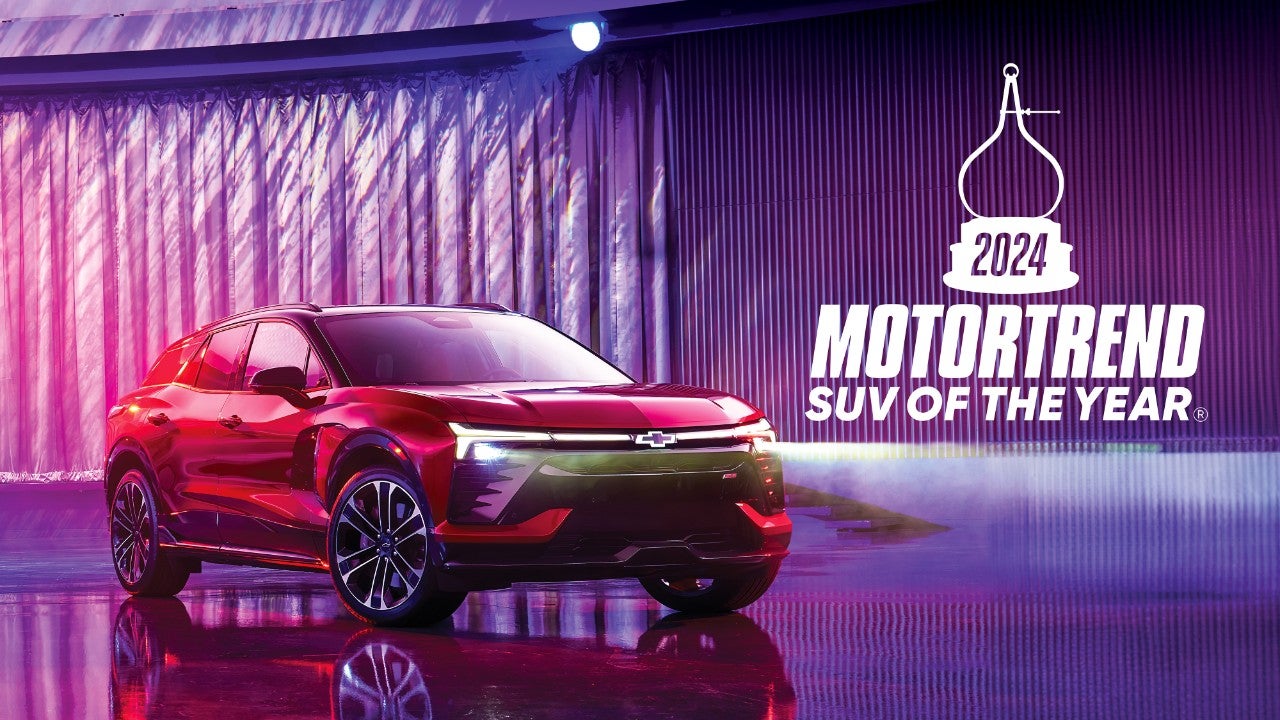
The all-new 2024 Chevy Trax takes the podium with 3 rd place The all-new Chevrolet Blazer EV topped a field of 40 competitors to win MotorTrend’s prestigious “Golden Calipers” for 2024 SUV of the Year. MotorTrend credits the Blazer EV’s cutting-edge technology, dynamic design and unprecedented powertrain choices as the reasons for their selection. The Blazer EV continues Chevy’s legacy of delivering innovative electric vehicles for its customers, first seen by MotorTrend’s 2017 Car of the Year winner, the Chevrolet Bolt EV. “Chevrolet has truly nailed the design and functionality with the Blazer EV, which looks and operates just as an industry-leading all-electric SUV should,” said Ed Loh, MotorTrend Group head of editorial. “The Chevy Blazer EV offers an effortless driving experience, seamlessly integrates into your lifestyle and boasts user friendliness that's hard to match.” The title “SUV of the Year” is one MotorTrend has reserved for only vehicles with the utmost product excellence in the past 25 years. Evaluated on six key criteria, including safety, advancement in design and performance of intended function, the Blazer EV’s reputation as the full package rang true to MotorTrend’s panel of discerning judges. “We are excited and honored to receive this recognition for the Blazer EV,” said Scott Bell, vice president, Chevrolet. “This vehicle takes convenience and customer choice to the next level, a major step in delivering on Chevrolet’s promise to provide an EV for everyone.” Available in multiple trims LT, RS and Chevy’s first-ever electric SS, the Blazer EV boasts a 17.7-inch-diagonal customizable infotainment touchscreen, available front-, rear- and all-wheel drive configurations and was recently certified by the EPA at 324 miles on a full charge (RWD). Customers interested in purchasing a Blazer EV should contact their local Chevy EV dealer.Chevrolet’s initial launch edition, the Blazer EV RS AWD, is currently available, priced at $60,215. This price excludes applicable federal tax credits. Pricing for the remaining Blazer EV trims and drivetrains, including FWD variants of the RS and LT, will be announced closer to their launch dates in 2024. Customer orders for other trims will be accepted closer to their launch dates, as well.

Origin interior

GM, Cruise and Honda Are Bringing Autonomous Vehicle Ridehail Service to Japan

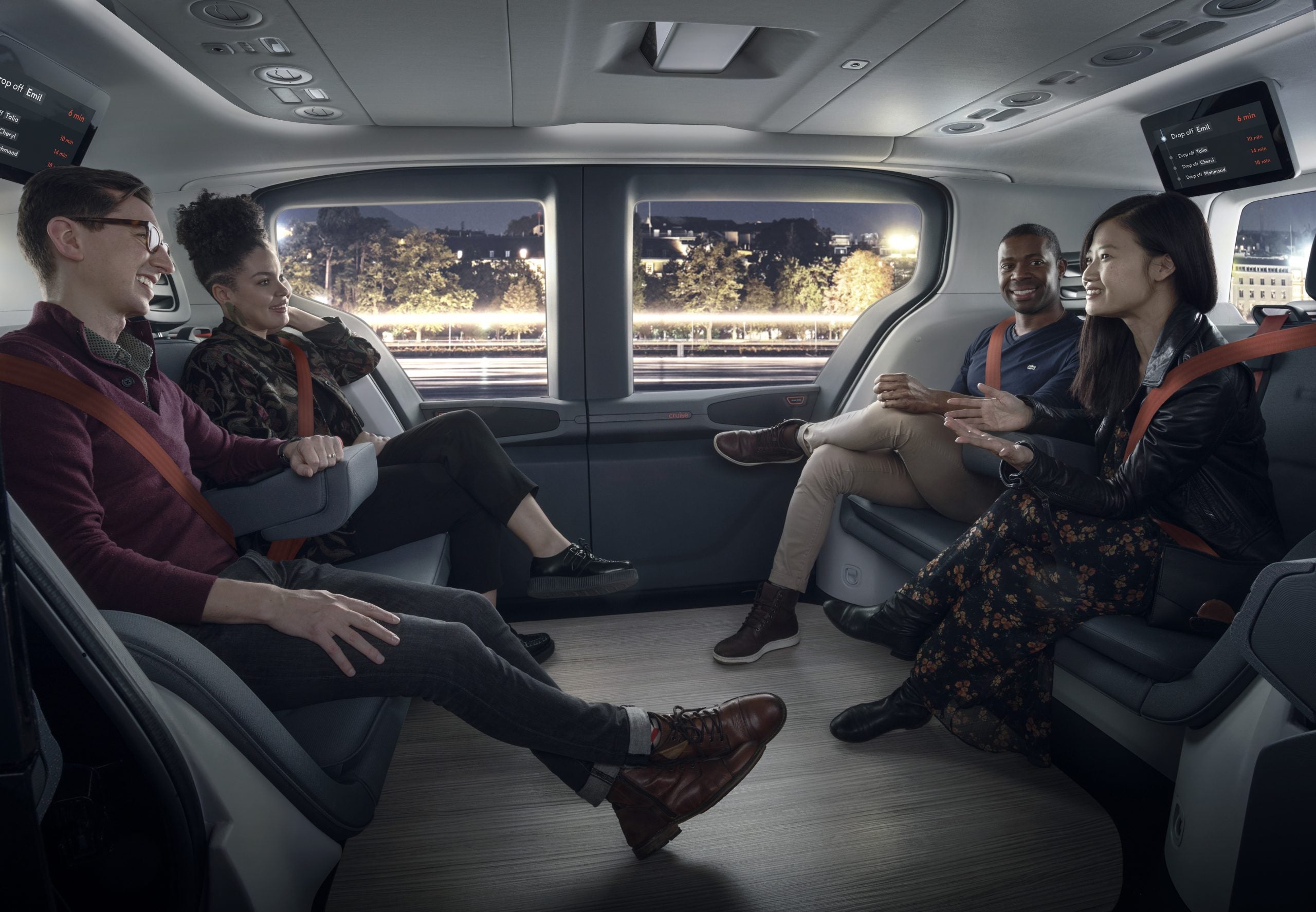
The new autonomous vehicle service will begin in early 2026 The Origin vehicle — developed by GM, Cruise and Honda — will be made in the U.S. We’re marching toward a future with zero crashes, zero emissions and zero congestion. But this future is only possible if we take big, bold leaps outside of traditional transportation. That’s why we’re committed to safely deploying autonomous vehicles on a global scale. And why in 2016 we invested in Cruise, the San Francisco-based company leading the way when it comes to electric autonomous vehicles. Front 3/4 view of the Japan market Origin Today we’ve reached another milestone in our journey to bring autonomy to the world. Alongside Cruise and Honda we have announced a memorandum of understanding to establish a new joint venture (JV) company to launch a driverless ridehail service in Japan starting in early 2026. “GM has always been invested in defining the future of transportation and that’s more true today than ever,” said GM Chair and CEO Mary Barra. “The benefits of AVs — from safety to accessibility — are too profound to ignore and through this important partnership with Cruise and Honda, we’re bringing forward innovation that leverages our expertise in cutting-edge software and hardware to help more people around the world get where they need to go.” The opportunity for the ridehail service in Japan, which is expected to be the first of its kind, is huge. Japan has the potential to be one of the largest driverless ridehail markets in the world as large cities experience high demand for taxis. The region also has a growing need for new forms of transportation, with ongoing driver shortages and an increasing need for accessible forms of transportation. To address these needs, the JV will leverage the Origin, a people-centric vehicle co-developed by GM, Cruise and Honda specifically for autonomous transportation. The vehicle allows for six passengers to sit face-to-face, enabling customers to comfortably travel in a new way. “There is an important and growing societal need for safe and accessible transportation in Japan that autonomous vehicles can provide a solution for,” said Cruise CEO Kyle Vogt. “In addition to societal impact, the business opportunity is also exciting, as Japan represents one of the largest potential autonomous vehicle ridehail markets in the world, with many dense, highly populated cities that have high transportation needs.” In developing the Origin, GM, Cruise and Honda each brought our unique skillsets and talents to the manufacturing, software and development process. GM will manufacture approximately 500 Origins for the launch of this new JV at Factory ZERO Detroit-Hamtramck Assembly in Michigan, the launchpad for GM’s multi-brand EV and AV future. “Honda is striving to create the ‘joy and freedom of mobility.’ Through our driverless ride service with Cruise and GM, we will enable customers in Japan to experience a new value of mobility, improve the quality of their mobility experiences and offer the joy of mobility,” said Global CEO of Honda Toshihiro Mibe. “This will be a major step toward the realization of an advanced mobility society. Providing this service in central Tokyo where the traffic environment is complex will be a great challenge, however, by working jointly with Cruise and GM, Honda will exert further efforts to make it a reality.” We believe autonomous vehicles can transform the way people move around the world. We’ve only just begun to see this with Cruise ridehail services in San Francisco, Austin and Phoenix accumulating 5 million driverless miles and over 100,000 five-star rides. We’re excited to work with Cruise as they launch autonomous vehicles in 12 additional announced markets in the U.S. and customers take their first rides and experience the future of transportation.

GM Continues Push for Software Standardization to Give Customers Better Technology, Faster

GM joins COVESA to share uServices with the developer community for a seamless, shared software solution General Motors announced today that it is contributing a vehicle services definition called “uServices” to the automotive software developer community. uServices aims to standardize software interfaces to securely access vehicle systems from anywhere in an OEM’s vehicle ecosystem. This standardized interface and associated programming model enables efficient development of distributed software required by Software Defined Vehicles (SDVs). GM is contributing uServices by joining the Connected Vehicle Systems Alliance ( COVESA), a global, member-driven alliance focused on the development of open standards and technologies that accelerate innovation for connected vehicle systems. “General Motors intends to play a leading role in unifying a global community of creative developers while reducing the time it takes for the industry, from automotive manufacturers to suppliers, to develop and integrate these features,” said Frank Ghenassia, executive chief architect of Software Defined Vehicles at General Motors. “By sharing existing technologies now in production, GM hopes to accelerate the development of an ecosystem that we can leverage to integrate third-party software at reduced engineering cost. This, in turn, can help lower the cost for customers and reduce time to market while opening the door for customers to gain access to more applications 1.” This complements GM’s recent commitment to SDV standardization. In April, the company announced it would share uProtocol with the Eclipse Foundation, a standard with the potential to connect automotive applications and services everywhere — not just in GM products or in vehicles — but to create efficiency across phones and other devices talking to vehicles as well. While uProtocol serves as the backbone for more efficient vehicle software development across the industry, uServices is meant to set standards for interfacing with vehicle features and communicating through that backbone, serving as a standard API to abstract vehicle services, enabling a unified connected vehicle ecosystem. COVESA’s community brings extensive experience in the software services space. Introducing uProtocol and uServices across two organizations links strong areas of experience and drives more unified collaboration across a greater population of contributors. “COVESA is very pleased to have GM as another global OEM actively contributing to our open-source community,” said Steve Crumb, executive director at COVESA. “uServices is a great addition to the growing set of open-source solutions hosted by COVESA and made openly available for enhancement and adoption among a growing number of automotive stakeholders.” uServices was introduced to COVESA’s Data Expert workgroup during a meeting in July 2023. GM will be contributing uServices to COVESA throughout October 2023, continuing to add to the program as it is developed.

Fall Trail Mix Recipe with Protein

Protein-Packed Fall Trail Mix

As we transition from summer to fall weather and temperatures begin to drop, you might be in the mood for some outdoor adventures. And every outdoor adventure requires a snack for energy! This recipe for protein packed fall trail mix is exactly what you need for your next bike ride, hike, or whatever you like to do! This Fall Trail Mix Recipe is easy and will have you in the autumn spirit in no time! You'll need: -Pecans -Olive Oil -Rosemary -Sea Salt -Beef Jerky -Dried Pears -Dried Cranberries Get the complete directions for this Fall Trail Mix at Yummly and enjoy your fall snack!

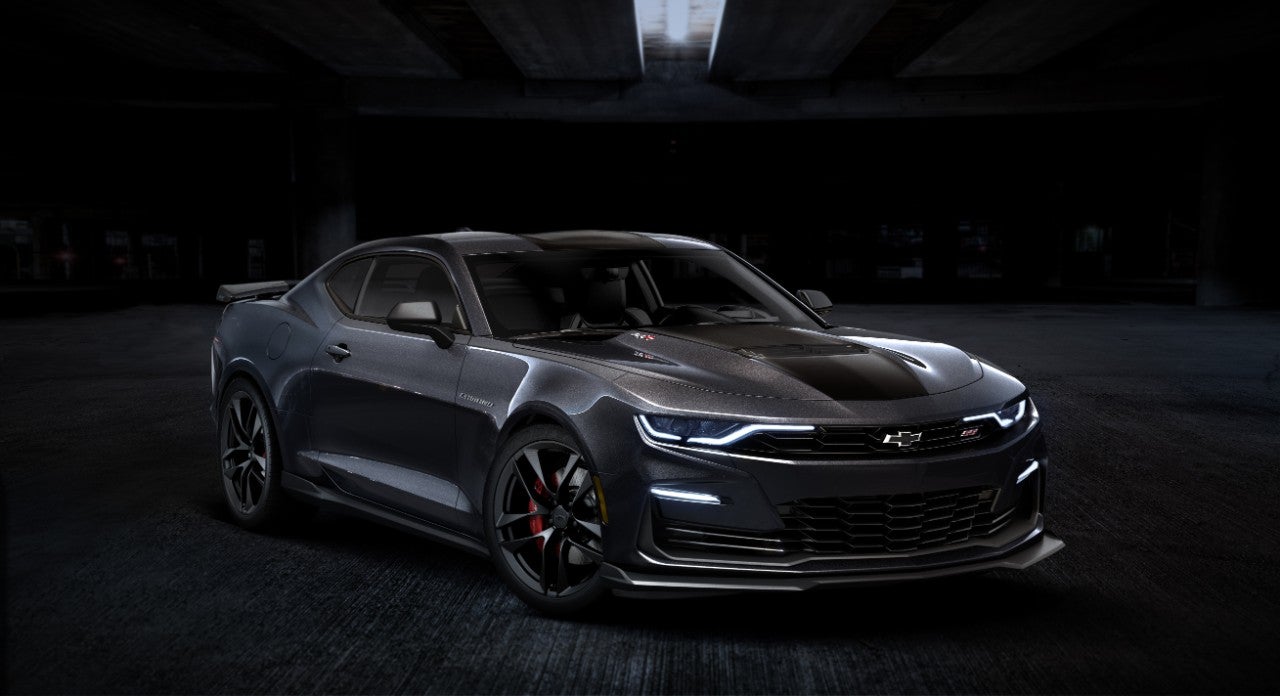
2024 Chevrolet Camaro SS Collector’s Edition

Thanks, Six

As the sixth-generation Chevy Camaro comes to a close, we look at what inspired its brilliance. This story originally appeared in the Chevy's online magazine, New Roads. In 2012, as development began on the sixth generation of Chevrolet’s Camaro, the team did what any team would do: look to previous generations with an eye toward moving Camaro’s story forward. The pony car’s fifth generation, which went into production in 2010, had done just that, kickstarting a new era for a storied nameplate that had been paused since production of the fourth gen ended in 2002. And now that the sixth generation is coming to an end, it’s a good time to tally up the accomplishments, and its place in history. Paying Tribute “I think we did a really good job on the sixth-generation Camaro, understanding that everything we touched harkened to the past generations as kind of a tribute,” says Al Oppenheiser, Camaro’s chief engineer for the fifth and sixth generations of the car. “We did something that appealed to every Camaro fan in some way or another, be it the special performance packages, a special color, a special trim level, the special editions.” CAMARO CLASSICS Six generations after the Chevy Camaro was introduced for the 1967 model year, the Camaro has maintained its DNA as a driver-centric sports car. GEN 1 CAMARO The Camaro kicked off its high-performance lineage with the Z28 package. GEN 3 CAMARO The third-generation Camaro saw the introduction of the 1LE package. GEN 6 CAMARO The latest Camaro pushed the envelope with the 1LE package and ZL1 model. One last special edition — the Collector’s Edition, inspired by the first-gen Camaro and the program’s initial code name, Panther — is on the way, with details to be released early this summer. It will continue the commitment to performance that the sixth generation will be remembered for, a commitment highlighted by more than 60 NASCAR Cup wins since 2018. Inspiration from the Past To unlock those performance chops, the Camaro team didn’t go all the way back to the beginning. They began by pulling inspiration from the 1980s, when Chevy’s third-generation pony car was struggling in the Showroom Stock road racing series. Engineers at the time began developing features that would boost Camaro’s track numbers. In 1989, Chevy introduced the 1LE package option for the Camaro, addressing the brake, fuel, and suspension systems and helping the Camaro find its way to the podium. THE CAMARO 1LE SS. The Camaro SS is one of the Camaro models offered with the 1LE package. This performance package adds Brembo ® brakes, summer tires, and dual-mode performance exhaust along with a front splitter and rear spoiler. Since then, the 1LE package has appeared off and on in the lineup, but for the sixth generation, the package’s features were expanded based on how it first appeared in 1989. On top of that, it was offered with every engine option, including a new turbocharged four-cylinder. With the turbocharged four-cylinder and the 1LE package option along with some track prep, you could drive your Camaro to the track, win races, and then drive it home at the end of the day. “Those are the kinds of things that we talked about on a daily basis,” says Oppenheiser, who has since moved on to work on GMC’s Hummer EV. “Everything had to have a functional or historical purpose, or we didn’t address it.” The original 1967 Camaro wasn’t ignored in sixth-generation planning. The first Camaro became known for its long dash-to-axle ratio — which resulted in its long hood — and a driver-centric experience. There were back seats, but they weren’t the focus: The driver’s seat was the focus, just as it would be in the sixth generation. Going Fast The sixth generation also produced the most track-capable Camaro ever, the 2018 Camaro ZL1 1LE. In addition to the latest ZL1’s supercharged 6.2L V8 engine churning out 650 horsepower, the 1LE package included improved aerodynamics, adjustable suspension, lightweight wheels, increased grip, and a decrease in the Camaro’s weight. With a final Collector’s Edition Camaro on the way, the team knows the heritage they have to uphold. That’s always been true. “Every time we came out with a different Camaro variant, there was this anticipatory time where people couldn’t wait to see it,” Oppenheiser says. “And then, of course, if we did a limited run, they would sell out right away.”

1691447177588

GM Makes Vehicle-to-Home Bidirectional Charging Technology Available Across Portfolio of Upcoming Ultium-based EVs

Vehicle-to-Home (V2H) rollout across new Ultium-based EVs anticipated by model year 2026 Expanding access to V2H technology will allow customers to experience even more EV benefits V2H technology offers customers greater control over energy management, helping to strengthen energy independence General Motors announced that it will expand vehicle-to-home (V2H) bidirectional charging technology across its retail portfolio of Ultium-based electric vehicles by model year 2026. The first vehicles to receive the technology include the previously announced 2024 Chevrolet Silverado EV RST, followed by the 2024 GMC Sierra EV Denali Edition 1, 2024 Chevrolet Blazer EV, 2024 Chevrolet Equinox EV, 2024 Cadillac LYRIQ and the upcoming Cadillac ESCALADE IQ, which will be revealed on Aug. 9. Building on the company’s plan to deliver a growing suite of energy management products and services through GM Energy, V2H unlocks additional value for EV drivers, who will be able to transfer energy from their vehicles to a properly equipped home when desired. The technology allows consumers to store and transfer energy to help offset electricity needs during peak demand days and mitigate the impact of power outages, making the transition to an all-electric future even more compelling. “GM Energy's growing ecosystem of energy management solutions will help accelerate GM’s vision of an all-electric future by further expanding access to even more benefits that EVs can offer," said Wade Sheffer, vice president, GM Energy. “By integrating V2H across our entire Ultium-based portfolio, we are making this groundbreaking technology available to more consumers, with benefits that extend well beyond the vehicle itself, and at broader scale than ever before.” Customers will be able to leverage V2H technology on compatible GM EVs through GM Energy’s available Ultium Home offerings, and the GM Energy Cloud, a software platform which will allow users to manage the transfer of energy between applicable and connected GM Energy assets and the home. This announcement underscores GM’s holistic approach to energy management, leveraging the power of Ultium to introduce new technologies and innovative features for residential customers. Developing solutions for Ultium Home that pair with GM’s growing portfolio of EVs provides customers with more choices and greater value across vehicle categories and price points than ever before. Information on additional availability of V2H technology and specific timing of V2H rollout to individual vehicle models will be provided in future updates. Information about GM Energy and its ecosystem of available product and service offerings through Ultium Home, Ultium Commercial and Ultium Charge 360 can be found at https://gmenergy.gm.com/.

drones-scroller02-01

Reforestation Takes to the Air

In hard-to-reach places hit by wildfires, the Earth finds a new friend — drones. This article originally appeared in Chevrolet's online magazine, New Roads. Having devoted his entire career to environmental sustainability, Grant Canary knew the direction that wildfires were trending was unsustainable. Data showed that wildfires in the U.S. were increasing in number and intensity, and destroying trees faster than new seedlings can be grown by traditional methods. So Canary set out to give nature a little technological help, founding a company called Mast Reforestation. Mast uses drones to strategically drop seeds in areas devastated by wildfire, pairing that approach with traditional reforestation methods. The drones used in reforestation are not the hummingbird-like machines you may have seen neighbors flying at the park. They’re more like cargo helicopters. “These aircraft are 8 feet in diameter, have six rotors, and carry 57 pounds of seed per aircraft,” Canary says. The drones use LiDAR (a remote sensing method like radar that uses a laser instead of radio waves) to build a three-dimensional map of the scorched terrain. Mast processes that data and selects spots that look promising for planting while avoiding inhospitable areas like gravel roads, blackberry patches, and rocks. The drones are then programmed with flight patterns and loaded with seeds. One operator pilots three to five pre-programmed drones — Mast calls them drone swarms — that move in concert, planting as they go. Drones work quickly and can easily reach remote and treacherous areas. “Traditional replanting can cover about one to two acres per day,” Canary says. “Aerial replanting is six times more efficient, depending on the ecosystem.” RE-TREES A look at some of the tree species Mast plants in its reforestation efforts. PONDEROSA PINE An easy way to identify a ponderosa pine is by smelling its bark — it carries the scent of butterscotch or vanilla. DOUGLAS FIR This type of fir is popular to use as Christmas trees and has extremely strong timber that’s good for construction. RED FIR Named for the color the bark becomes as it ages, red firs grow at a high elevation of 4,500–9,000 feet. WHITE PINE A fast grower, with height increases of more than 24 inches per year, white pines reach 50–80 feet. INCENSE CEDAR Named for the spicy aroma of the wood, incense cedars can reach ages of 500 years or more. WHITE FIR Another popular Christmas tree choice, white firs can thrive in harsh conditions and grow to 30–50 feet. SEED VESSELS Based in Seattle, Mast is one of several sustainability startups using drones to help regrow forests lost to wildfires. Developing the technology to spread seeds was relatively easy. The tricky part was coming up with a way to package the seeds that would allow them to take root and survive. Mast uses a specially designed mixture of seeds and nutrients wrapped in puck-like packages it calls seed vessels. One of the ingredients is a type of hot pepper that keeps squirrels and other herbivores from eating the potential trees for lunch. In September 2021, to help with the seed side of the business, Mast acquired Silvaseed, a 130-year-old seeding supply company. Canary says his company has expanded Silvaseed “to become the largest private seed bank west of Colorado.” Funding for reforestation projects comes from an array of sources, one of which is forestry and mining companies that are required to replant trees. Another funding tactic Mast uses is leveraging forward-looking carbon removal credits. Companies looking to reduce their future emissions help fund today’s reforestation projects. Canary points out that Mast uses aerial reseeding alongside traditional planting methods. “The two methods are used together to increase rates of success,” he says. While it’s not yet clear precisely how effective drone reforestation will ultimately be, any help will be a step in the right direction. “For a long time, I was intrigued by technologies that could remove carbon from the atmosphere and reduce carbon dioxide,” says Canary, whose résumé includes work with the U.S. Green Building Council and wind energy projects in China, Denmark, and the United States. “I came to the realization that the best technology is trees themselves, and they are the only currently viable method that is scalable and cost-effective.”

ev

New Electric Vehicles Are Coming from Chevy. EV Dealers Are Ready.

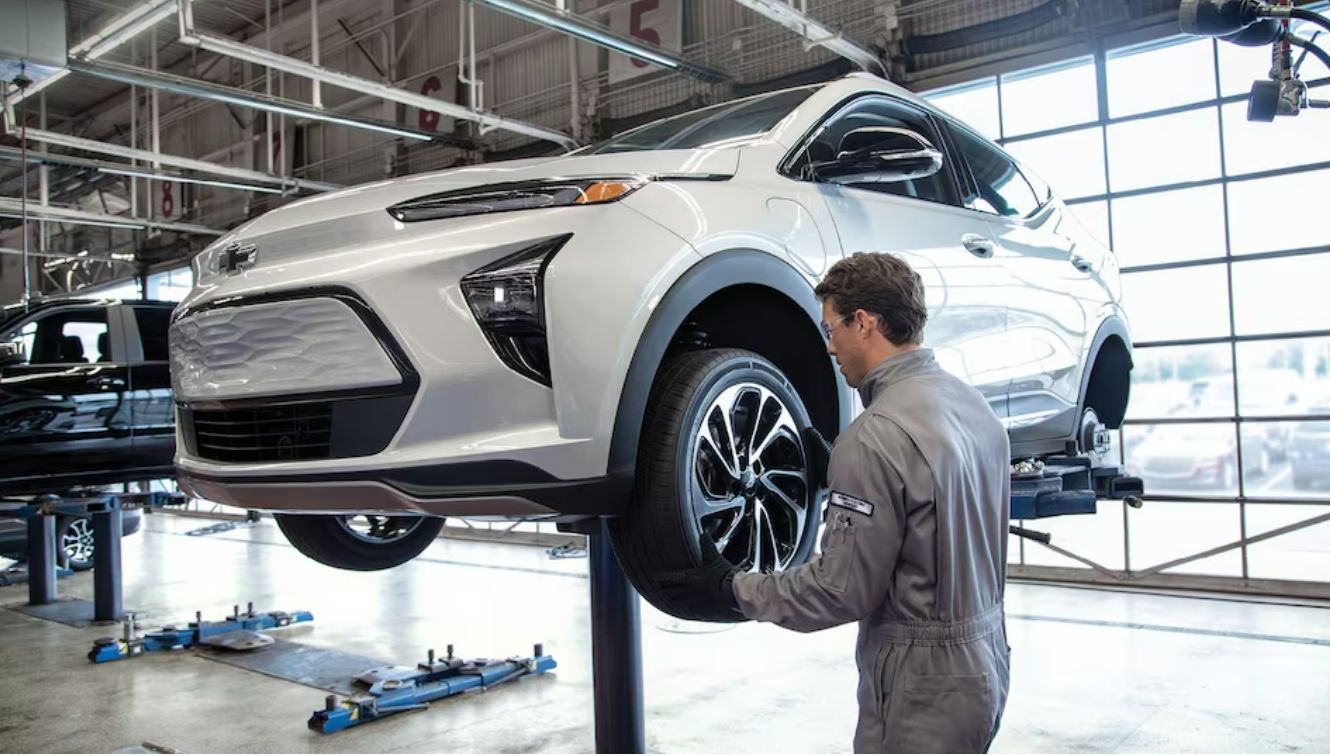
Participating EV dealers are undergoing training so they’ll be able to answer customers’ questions and guide them to the right vehicle choice for them. Through the Dealer Community Charging Program, GM will work with dealers to help expand charging access in their communities. Even in times of change, there are things you can count on. For decades, the first, best source of information about new Chevrolets has been your local Chevy dealer. And with a full lineup of new electric vehicles arriving by the end of the year, your local Chevy EV dealer will be ready to help anyone who’s interested in navigating the move to an EV. “Participating Chevrolet dealers are taking the right steps to modernize and support a more rapid acceleration to electric vehicles,” says Nate Giannettino, Chevrolet’s manager of EV Readiness. “Over the next year, Chevrolet EV dealers are making substantial investments to modernize their facilities.” EV-specific training “For generations, people have grown up talking about horsepower, miles per gallon,” says Logan Page, a Chevrolet dealer operator in Utah. EVs are introducing a new lexicon, and with so many more people considering electric vehicles, dealers are anticipating a broader range of questions from people arriving at dealerships. That means salespeople need to be prepared. Quarterly training, a requirement for any Chevy salesperson selling electric vehicles, is equipping them with the knowledge they need to answer customers’ questions, whether those questions are about technology, infrastructure, or battery range. EV-specific tools Through the Dealer Community Charging Program, GM is working with dealers to expand access to charging stations, including in underserved rural and urban communities. Ultimately, the goal is to add up to 40,000 public Level 2 chargers across the U.S. and Canada as part of the program. EV dealers are also making upgrades to their service departments, including additional training for the service employees and adding hoists and forklifts capable of transporting components for electric vehicles. "OVER THE NEXT YEAR, CHEVROLET EV DEALERS ARE MAKING SUBSTANTIAL INVESTMENTS TO MODERNIZE THEIR FACILITIES." — NATE GIANNETTINO Owner-specific approach Both Giannettino and Page say that one of the most common misconceptions prospective EV buyers have is about range. Some don’t realize how much range EVs can have today. Others think they need more range for their daily lives than they really do. Addressing those concerns means understanding the buyer and their needs, same as it’s always been. “That’s a lot of our initial interview with guests when they come through the doors: Finding out what they’re using their vehicle for and making sure we’re acting as a real-life consultant and a professional, and not just an order-taker or just selling them what we have,” Page says. “We’re explaining the benefits based on what they’re telling us they need and what product seems to fit that mold.” And that’s a service that hasn’t changed, isn’t changing, and won’t ever change.

Contact Us

Fill out this form below and we'll contact you shortly
*Required Fields