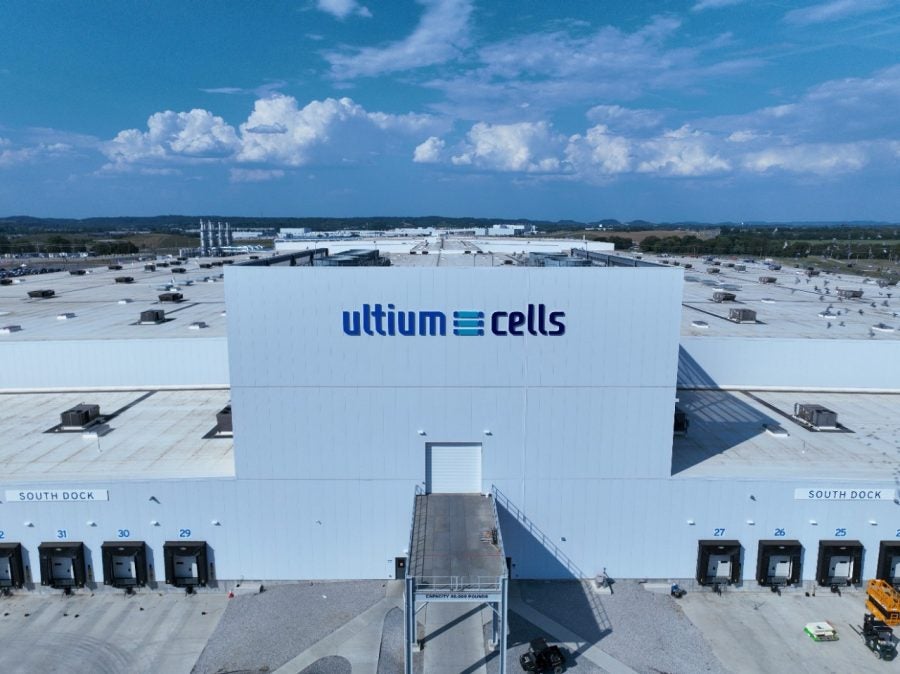
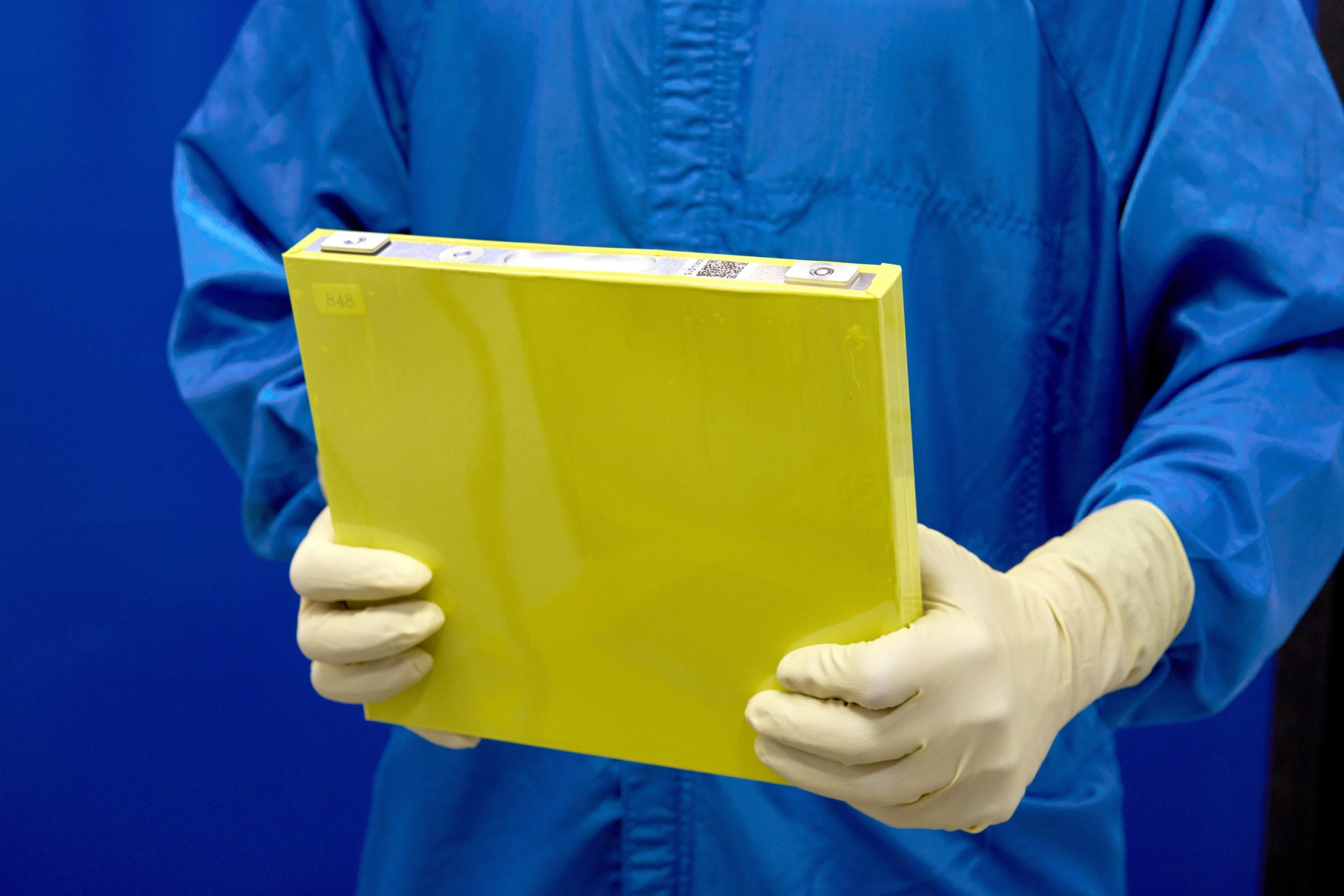
General Motors and LG Energy Solution will commercialize lithium manganese-rich (LMR) prismatic battery cells for future GM electric trucks and full-size SUVs, in a new battery technology breakthrough. This builds on a partnership between the two companies to develop prismatic battery cell technology and related chemistries, and on GM’s long legacy of American ingenuity that’s produced innovations like the small-block V8 engine, OnStar connected vehicle services and hands-free Super Cruise. GM aims to become the first automaker to deploy LMR batteries in EVs. Ultium Cells, a GM and LG Energy Solution joint venture, plans to start commercial production of LMR prismatic cells in the United States by 2028, with pre-production expected to begin at an LG Energy Solution facility by late 2027. The final production-design of these LMR battery cells will be validated at GM’s Battery Cell Development Center in Warren, MI, which is expected to open earlier that year, as well as LG Energy Solution’s facility. Battery cathodes require materials like cobalt, nickel and manganese, with cobalt being the most expensive. LMR battery cells use a higher proportion of more affordable manganese, while also delivering greater capacity and energy density. Battery engineers at GM and LG Energy Solution have developed a new LMR prismatic battery cell that unlocks 33% higher energy density compared to the best-performing lithium iron phosphate (LFP) based cells – at a comparable cost. General Motors battery technician Steven Petty Jr. focuses on aligning electrodes on an anode sample for a prototype LMR battery cell in the making. (Photo by Steve Fecht for General Motors) GM's electric truck platform has segment-leading range using high-nickel chemistry today. By integrating LMR battery technology and the manufacturing and space efficiency benefits of prismatic cells, GM aims to offer more than 400 miles of range in an electric truck while achieving significant battery pack cost savings compared to today’s high-nickel pack. “We’re pioneering manganese-rich battery technology to unlock premium range and performance at an affordable cost, especially in electric trucks,” said Kurt Kelty, VP of battery, propulsion, and sustainability at GM. “As we look to engineer the ideal battery for each vehicle in our diverse EV portfolio, LMR will complement our high-nickel and iron-phosphate solutions to expand customer choice in the truck and full-size SUV markets, advance American battery innovation, and create jobs well into the future.” “We’re excited to introduce the first-ever LMR prismatic cells for EVs, the culmination of our decades-long research and investment in the technology,” said Wonjoon Suh, executive VP and head of the Advanced Automotive Battery division at LG Energy Solution. “GM’s future trucks powered by this new chemistry are a strong example of our shared commitment to offering diverse EV options to consumers.” GM began researching manganese-rich lithium-ion battery cells in 2015, accelerating this technology development by prototyping LMR cells at its Wallace Battery Cell Innovation Center in Warren. In collaboration with partners, GM engineers advanced cathode materials, electrolytes, additives, form factors, and cell assembly processes to overcome LMR’s legacy challenges in performance and durability. LG Energy Solution holds the largest LMR technology IP portfolio globally, having secured over 200 patents 1 in this technology field. Its expertise reflects extensive research, with its first patent on LMR chemistry dating back to 2010. LMR battery technology integrates into GM’s battery supply chain and cell manufacturing processes, reinforcing strategic investments in domestic battery production and the responsible sourcing of critical materials like lithium, graphite, and manganese from North America.






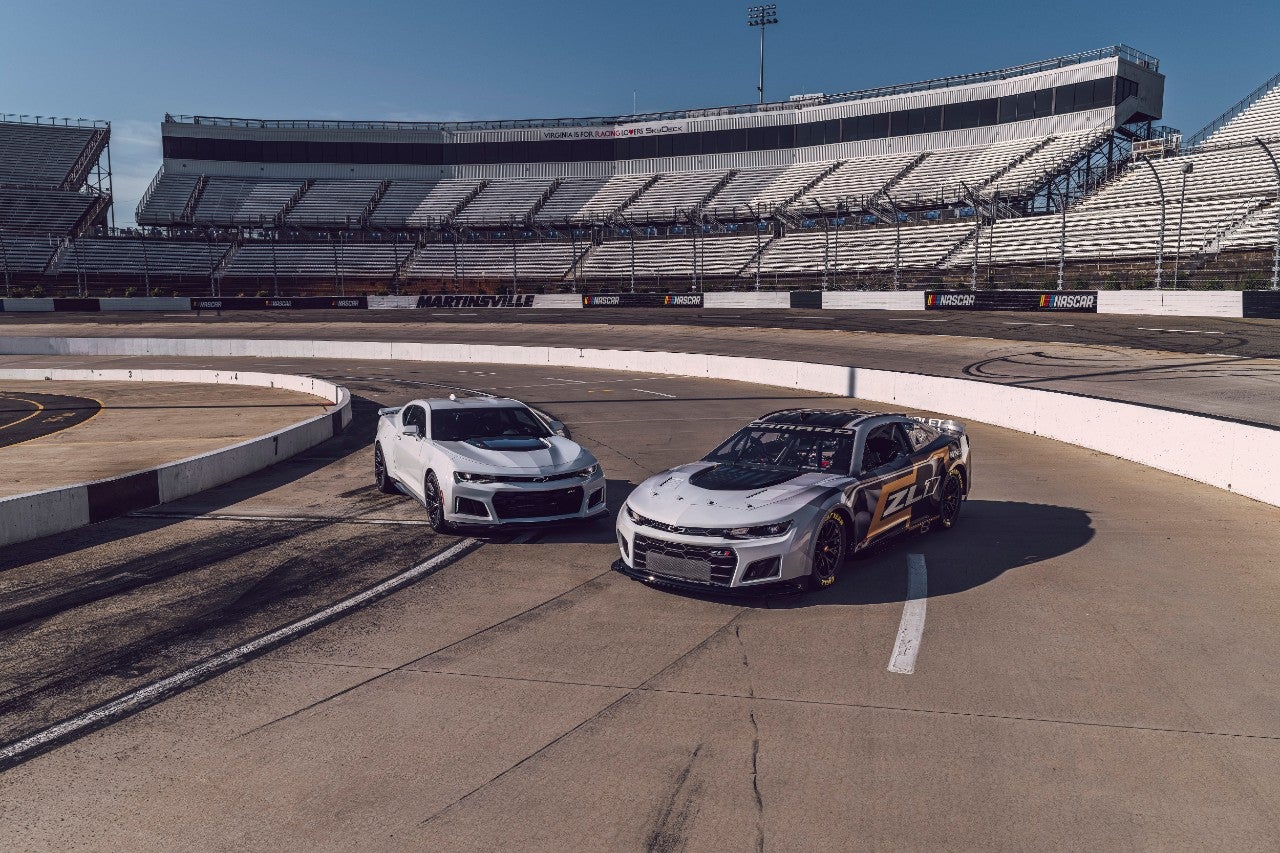
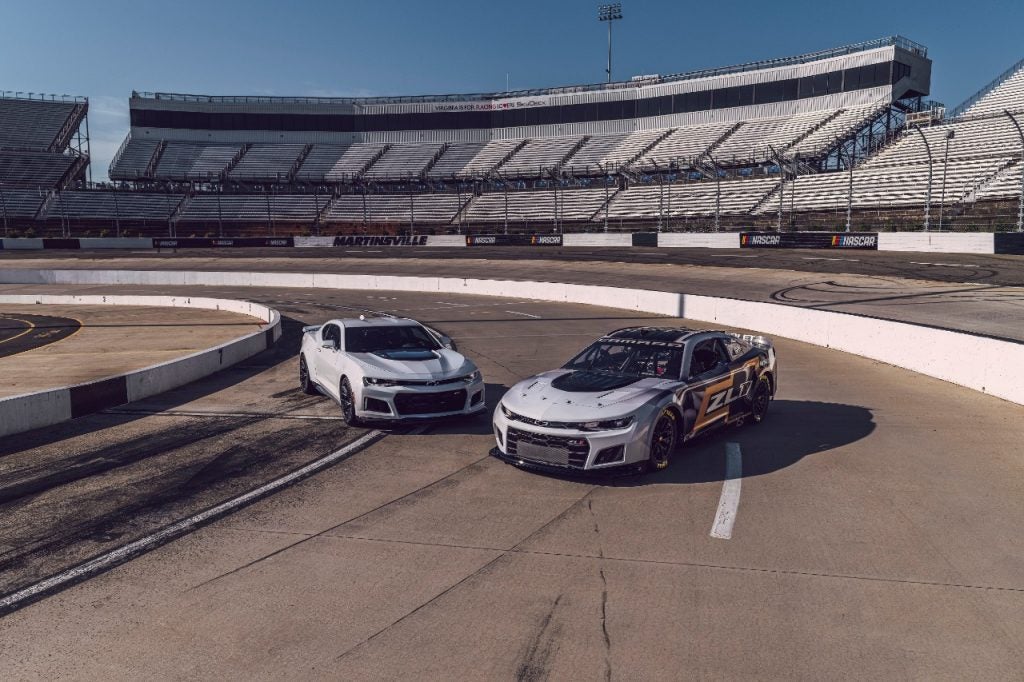 Chevrolet and other major automotive brands competing in the NASCAR Cup Series revealed their Next Gen models today. Chevrolet’s new look on the racetrack will more closely connect to its cars in the showroom when Chevy campaigns its Next Gen Camaro ZL1 race car, starting next season in the NASCAR Cup Series. The new look and features are a result of a collaborative effort by Chevrolet, the series and other original equipment manufacturers for race cars competing at the Cup level to look and perform more like their production counterparts.
The Next Gen Camaro ZL1 race car’s new lower greenhouse, shortened deck lid and widened track width contribute to a coupe-like appearance. A fully symmetrical body design makes the race car look even more like the production Camaro.
“Chevrolet engineers and designers worked alongside our race teams to develop this race car while staying true to the styling essence of the Camaro ZL1,” said Jim Campbell, GM U.S. vice president of Performance and Motorsports. “This cooperation will benefit Chevrolet both on the track and the street.”
Both the Next Gen Camaro ZL1 race car and production Camaro ZL1 offer hood air extractors that enhance track performance.
“The Next Gen Camaro has a much stronger link to the production Camaro ZL1 in terms of styling integration, improved proportions and relevant technologies,” said Eric Warren, Chevrolet director of NASCAR Programs. “From an engineering standpoint, this is a seismic shift. It’s a completely new car that brings with it a lot of opportunity from a technical standpoint.”
Other changes to the 2022 Next Gen race car include:
Chevrolet and other major automotive brands competing in the NASCAR Cup Series revealed their Next Gen models today. Chevrolet’s new look on the racetrack will more closely connect to its cars in the showroom when Chevy campaigns its Next Gen Camaro ZL1 race car, starting next season in the NASCAR Cup Series. The new look and features are a result of a collaborative effort by Chevrolet, the series and other original equipment manufacturers for race cars competing at the Cup level to look and perform more like their production counterparts.
The Next Gen Camaro ZL1 race car’s new lower greenhouse, shortened deck lid and widened track width contribute to a coupe-like appearance. A fully symmetrical body design makes the race car look even more like the production Camaro.
“Chevrolet engineers and designers worked alongside our race teams to develop this race car while staying true to the styling essence of the Camaro ZL1,” said Jim Campbell, GM U.S. vice president of Performance and Motorsports. “This cooperation will benefit Chevrolet both on the track and the street.”
Both the Next Gen Camaro ZL1 race car and production Camaro ZL1 offer hood air extractors that enhance track performance.
“The Next Gen Camaro has a much stronger link to the production Camaro ZL1 in terms of styling integration, improved proportions and relevant technologies,” said Eric Warren, Chevrolet director of NASCAR Programs. “From an engineering standpoint, this is a seismic shift. It’s a completely new car that brings with it a lot of opportunity from a technical standpoint.”
Other changes to the 2022 Next Gen race car include: